
Burl wood furniture stands out in today’s design market, drawing attention for its dramatic patterns and unique texture. If you want furniture that’s both a visual statement and a conversation starter, this style is making a strong comeback for a reason. But what exactly is it, and why are so many designers and homeowners searching for it in 2024?
Key Takeaways
- Burl wood furniture demand is rapidly rising, especially for coffee tables and accent pieces, with prices ranging from affordable veneer to luxury solid slabs.
- Common buyer complaints include veneer issues, finish sensitivity, color variation, and maintenance expectations—research before buying is critical.
- Identifying genuine burl, understanding sourcing ethics, and knowing where to buy are essential for anyone investing in this design trend.
- What Is Burl Wood Furniture and Why Is It Trending?
- How to Buy Burl Wood Furniture: A Step-by-Step Guide
- Real Buyer Pitfalls: What Competitors Don’t Tell You
- Conclusion
- Frequently Asked Questions
What Is Burl Wood Furniture and Why Is It Trending?
Burl wood furniture is crafted either from whole burl formations or, more commonly, thin veneer sheets sliced from these complex tree growths. A burl forms when a tree experiences stress, like injury or fungus, resulting in swirling, chaotic grain filled with eyes, curls, and wild figure. The result is a one-of-a-kind material no two pieces can duplicate.
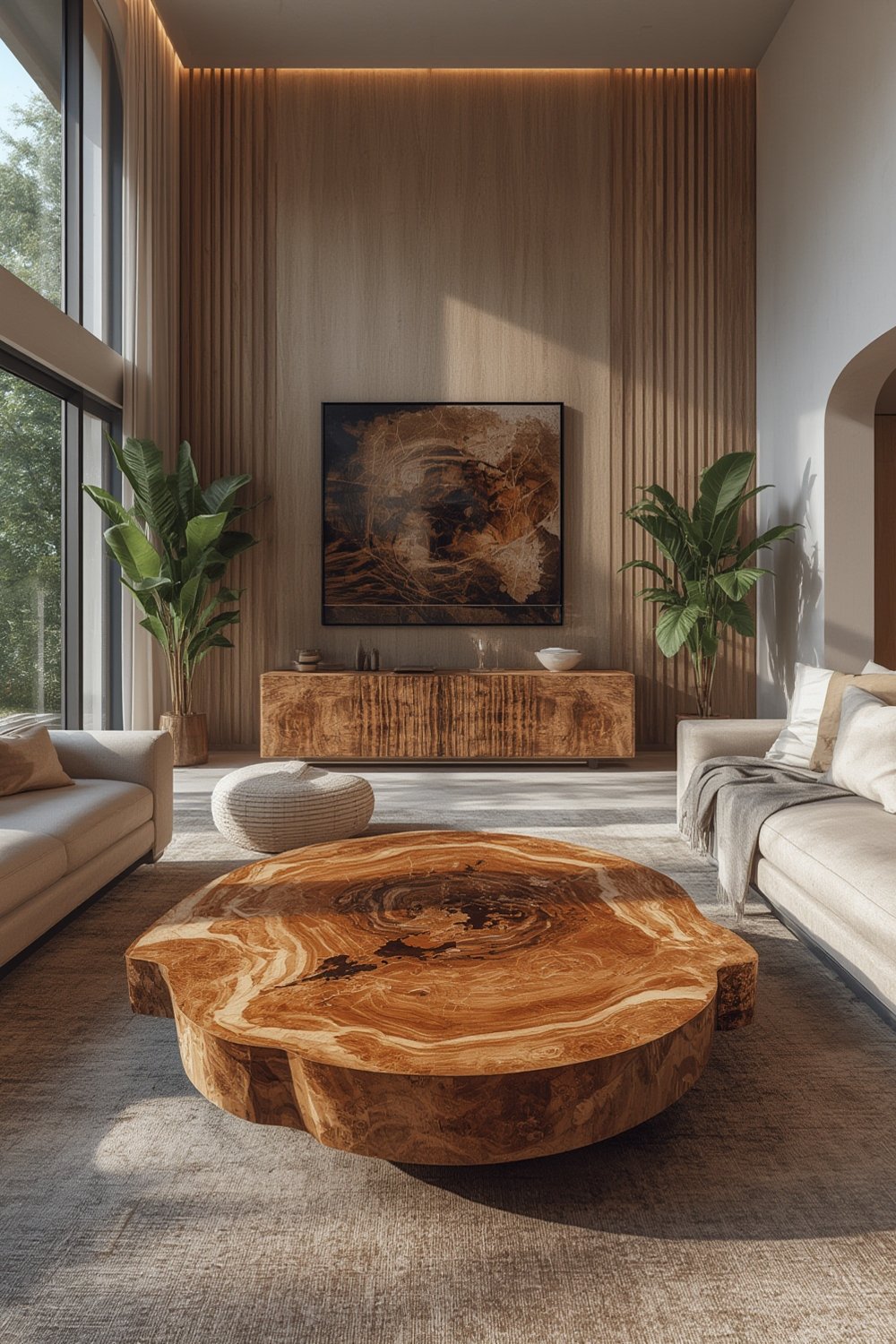
In 2024, burl wood is at the forefront of design-led accent furniture. Trade journals and media outlets consistently report a surge in demand, especially for coffee tables, consoles, nightstands, and plinths. This resurgence is partly fueled by a desire for bold materials blending modern and traditional interiors and the eco-narrative around using burls from already damaged trees (Home Accents Today).
The market context is massive: wood furniture comprises a huge share of a global industry valued near $600 billion in 2024 (Global Market Insights), with design-forward accent pieces growing even faster. Shoppers are drawn by the uniqueness, rarity, and visual punch that burl adds to statement rooms. Yet, challenges—like price variation, pattern unpredictability, and maintenance—demand careful consideration before you invest.
How to Buy Burl Wood Furniture: A Step-by-Step Guide
Shopping for burl wood furniture isn’t like picking standard hardwood pieces. Here’s how to get it right—whether you want an affordable look or an heirloom-quality centerpiece.
- Learn What You’re Seeing: Veneer, Solid, or Imitation
- Veneer is most common: a thin slice of burl over a core. Solid burl pieces are rare, heavy, and expensive. Printed imitations use repeated patterns—a sure sign of a knockoff (Living Spaces Guide).
- Research Retailers by Category
- Large design retailers like CB2, West Elm, and Living Spaces offer mainly veneered pieces, USD 300–1,500 for a coffee table. These balance genuine burl veneer with price—but rarely use solid burl.
- Vintage or resale outlets (Chairish, 1stDibs, Etsy) have more styles, provenance, and the chance to pick up rare designer pieces or mid-century forms.
- Artisan & studio makers command higher prices but deliver true solid burl or thick, expertly-matched veneer (typically USD 2,000 to 8,000 and up for coffee tables; expect import or shipping fees if ordering internationally).
- Big-box retailers and Amazon are filled with “burl finish” fakes—a good bet for budget accent pieces, but often just laminate over MDF.
- Compare Price Bands & Get What You Pay For
- Mass-market: $300–900 (veneer coffee tables)
- Designer/new solid or premium veneer: $1,200–3,500+
- Vintage/designer resale: $800–4,000+
- Custom/solid/artisan: $2,000–8,000+
- Inspect Construction and Authenticity
- Check for and request confirmation of “burl veneer” or “solid burl slab.”
- Look at product edges and undersides. Veneer will always show a thin patterned layer at transitions.
- Patterns repeating too perfectly or with plastic texture mean fake. Each real burl should look unique.
- Factor in Technical & Maintenance Needs
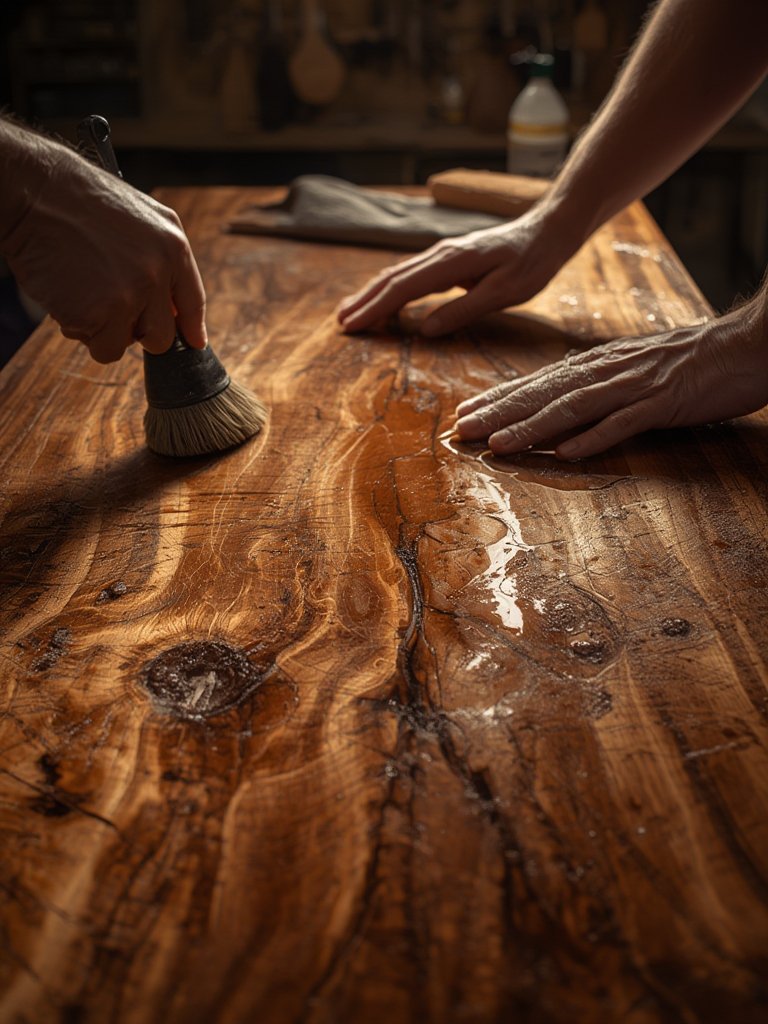
- All burl wood needs careful use. Coffee tables require coasters to prevent water rings, and sunlight can darken or fade the wood. If you want truly low-maintenance surfaces, consider another material, or look for high-performance finishes.
- If Commissioning Custom, Clarify Lead Time & Customization
- Custom coffee tables typically take 10–20 weeks from design sign-off and deposit. Options include dimensions, species, base, edge details, and finish system—check references and provenance for expensive commissions.
- Check Ethical Sourcing (If Important to You)
- Ask about the species, origin, and whether the burl was salvaged or ethically sourced. For rare/exotic species, request FSC or PEFC certification, especially for international pieces.
For design inspiration and tips on pairing furniture with other accent materials like decorative pillar candles or creating biophilic design elements, check out our related guides. You’ll also discover more about non-toxic home decor upgrades and proven spa bathroom design concepts to complement burl’s organic appeal.
Real Buyer Pitfalls: What Competitors Don’t Tell You
Most competitor guides focus on style, not the sort of problems that can leave buyers dissatisfied. Here’s what you need to know before you buy—and what to demand in your next piece.
Common Pitfalls with Burl Wood Furniture
- Surface Vulnerability: Scratches, dents, and water rings show up easily. Veneer over soft substrates (like MDF) amplifies this.
- Veneer Issues: Edges can chip, veneer may lift or bubble, especially if exposed to high humidity, direct sun, or steam. Many buyers mistakenly believe they are getting solid burl when it’s just a veneer.
- Color Variation: No two burls look alike. Expect the surface you get to differ from the product photos. Some buyers are disappointed by an unexpected shift toward orange, yellow, or very dark hues. Always ask for actual photos of your piece if possible.
- Cracking & Checks (Solid Burl): Thicker burl slabs are susceptible to fine cracks and movement—not necessarily a defect, but a natural part of the material’s behavior in low humidity environments. Maintenance with butterfly keys and occasional refinishing may be required.
- Shipping & Handling: Solid burl is much heavier than it looks. Moves, returns, and deliveries can be a challenge for large pieces. Veneered tables are lighter, but more fragile in transit.
- Maintenance Surprise: Many buyers expect burl to be as robust as solid oak. It is not. Burl finishes need coasters, care with spills, and sometimes periodic refinishing. Buyers seeking zero-maintenance pieces should look for durable alternatives or shop for professionally-sealed custom builds.
- Imitation vs. Real Burl: Cheaper big-box SKUs will use repeating printed patterns. Only real burl has chaotic, non-symmetrical figure and tactile depth. Get hands-on, or check multi-angle product videos where available.
Comparison: Types of Burl Wood Coffee Tables
| Type | Typical Price Band | Pros | Cons | Where To Buy |
|---|---|---|---|---|
| Mass-Market Veneer | USD 300–900 | Accessible price, on-trend shapes, quick delivery | Thin veneer, pattern may vary, moderate durability | CB2, West Elm, Wayfair, Living Spaces |
| Designer / Premium Veneer | USD 1,200–3,500+ | More dramatic veneer, thicker finish, designer build | Still not solid, premium price | Boutiques, design-focused retailers |
| Vintage / Mid-Century | USD 800–4,000+ | Rare forms, true patina, strong resale value | Variable condition, harder returns | Chairish, 1stDibs, Etsy |
| Artisan / Studio Solid Burl | USD 2,000–8,000+ | One-of-a-kind, true slab, custom details | Heavy, long lead time, highest cost | Independent makers, studio websites |
| Faux / Printed Burl | USD 150–500 | Budget option, easy to move | Not real wood, pattern repeats, low resale | Amazon, mass-market |
Other overlooked angles in most buying guides include:
- Assessing long-term value and resale (vintage burls can appreciate; cheap veneer rarely does).
- Practicalities for custom orders: Costs for rare solid slabs can reach $15,000+, with 10–20 week timelines. CITES certifications may be required for rare species shipped internationally (Living Spaces).
- Environmental ethics: Not all burl is “sustainable.” Ask about origin and source, especially for exotic woods.
For expert advice on related home upgrades—like energy-saving smart thermostats or cost-effective ADU builds—explore our trusted renovation guides.
Conclusion
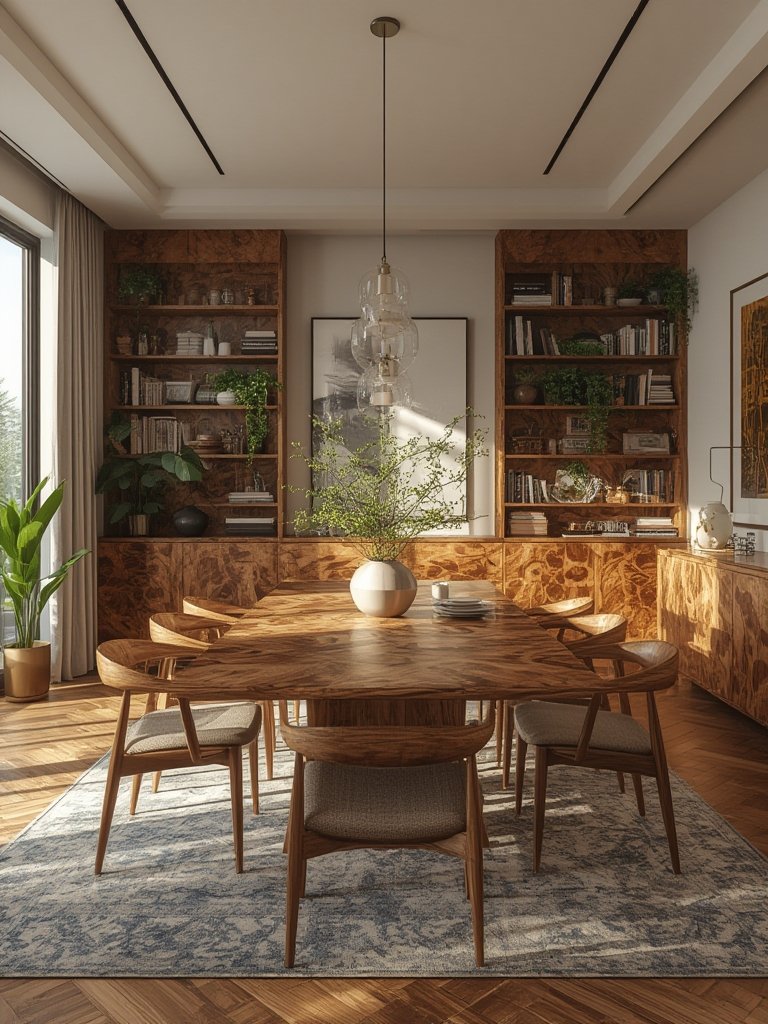
Burl wood furniture delivers unmatched visual appeal and individuality in any space. The dynamic grain makes every piece distinctive, while the trend towards natural, sustainable interiors means burl’s popularity will likely remain strong for years. Still, smart buyers know to research construction, maintenance, pattern authenticity, and price bands before making a purchase. If you want a statement material and can care for it, burl wood furniture offers real design impact. Ready to find your perfect piece? Compare real listings carefully, shop from trusted retailers, and ask questions before you buy.
Have more questions? See below, or reach out for custom advice on pairing burl furniture with your next outdoor living space or spa-style bathroom upgrade.
FAQ
Is burl wood furniture durable enough for everyday use?
Properly made burl veneer pieces can handle regular residential use, but surfaces are vulnerable to scratches, water rings, and heat marks—especially on coffee tables. Solid burl slabs are thick and tough, but still need careful maintenance. Always use coasters and protect from direct sun.
How can I tell if a piece is genuine burl wood, not a printed imitation?
Look for swirling, chaotic grain with irregular “eyes” and no repeating pattern. Check edges and undersides for a veneer line over another material. Printed laminates will have identical patterns on multiple pieces and a plastic texture.
Why does my burl wood table look different from the website photos?
No two burls are ever identical. Natural variation in grain, color, and pattern means your piece will be unique. Always review in-person photos of your actual table, not just manufacturer images.
Are there ways to minimize cracking or movement in solid burl slabs?
Maintain moderate indoor humidity (ideally 40-55 percent), avoid placing solid burl near heat vents or windows, and ask your maker about kiln-drying and sealing. Small surface checks are typical and can be stabilized with butterfly inlays.
How long does it take to order a custom burl coffee table?
Expect a 1–4 week design phase, then 8–16 weeks for build and finishing. International or large pieces may take even longer, especially if exotic or salvaged slabs must be sourced.