

freestanding bathtub installation is one of the most popular ways to add a luxury spa feel to any bathroom—if you know exactly what to expect. Done right, it can elevate your entire space and relaxation routine. Done wrong, it leads to expensive headaches, hidden costs, and ongoing hassles. Here’s what you need to know before you get started.
Key Takeaways
- Freestanding bathtub installation costs average $3,656 to $4,100 including labor and materials in 2026; prices can reach $10,000+ for high-end options.
- Homeowners often face extra expenses like plumbing upgrades, floor reinforcement, and tile surrounds—especially in older homes or during tub conversions.
- Advance planning for structural support, professional installation, and local building codes helps prevent the most common and costly pitfalls.
- Understanding Freestanding Bathtub Installation: What and Why?
- Step-by-Step Guide to Freestanding Bathtub Installation
- Advanced Analysis & Common Pitfalls
- Conclusion
- FAQ
Understanding Freestanding Bathtub Installation: What and Why?
Freestanding bathtubs are sculptural, stand-alone tubs that add instant luxury and dramatic flair to modern bathrooms. Unlike alcove or drop-in tubs, freestanding designs make a statement—they don’t require built-in frames or walls for support.
Many homeowners choose freestanding tubs for their flexibility in placement, wide range of designs, and timeless appeal. However, they demand higher up-front investment: tubs cost between $1,200–$5,000 for materials alone, with full installation averaging $3,656–$4,100 in 2026. Costs rise when extra plumbing, structural reinforcement, and waterproofing are needed—especially in older homes or when replacing a built-in tub.
Despite the allure, a freestanding bathtub installation is not a casual weekend DIY project. Proper planning, code-compliant plumbing, and sometimes reinforcing your floors are critical for a leak-free and lasting result, especially if you’re aiming for a spa-like retreat. To explore even more ways to boost your bathroom’s relaxation factor, check out our Spa Bathroom Design: 7 Amazing Ways To Transform Your Bathroom guide.
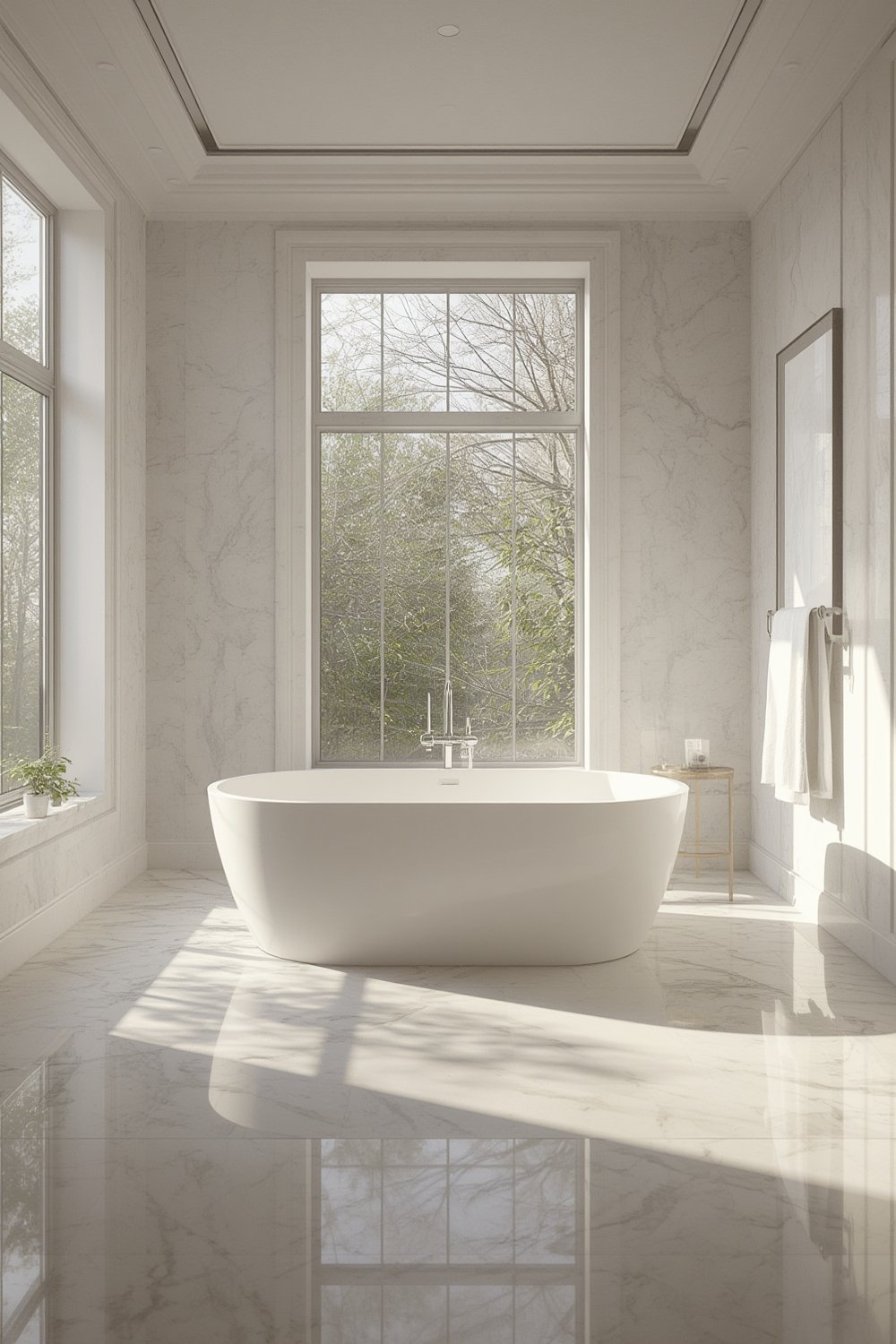
Step-by-Step Guide to Freestanding Bathtub Installation
Installing a freestanding bathtub means more than setting the tub in place. Below is a comprehensive, realistic process that considers all the steps needed for a safe, code-compliant installation—whether you’re updating a small bath or gut-renovating an older space.
- Planning & Design: Measure your space to ensure fit and code clearance (minimum 4 inches between tub and wall recommended). Factor in the tub’s weight once filled and accessibility for cleaning.
- Floor Reinforcement: Most older homes and some new builds will need reinforced subfloors under the tub area, which can cost $500–$1,500. This is especially true for larger soaking tubs or second floor installations.
Learn more about integrating spa features and accessible layouts with our Wet Room Installation guide for inspiration. - Plumbing Upgrades: Freestanding tubs typically require relocating or rerouting plumbing. Plumbing modifications can add $400+ to your bill. Make sure your new drain and water lines line up with your intended tub placement.
- Waterproofing & Surrounds: Unlike drop-ins, freestanding tubs need tile, waterproof panels, or protective coatings on adjacent walls and floors to prevent water damage. Tile surrounds average $800–$2,500.
- Permits & Code Compliance: Always check with your local municipality for plumbing, demolition, and building permit requirements. Permits typically run $50–$300.
- Demolition & Preparation: For conversions, budget for old tub removal ($230–$1,555) and any needed floor or wall repairs. Removal and disposal fees can climb if asbestos or lead is present in older homes.
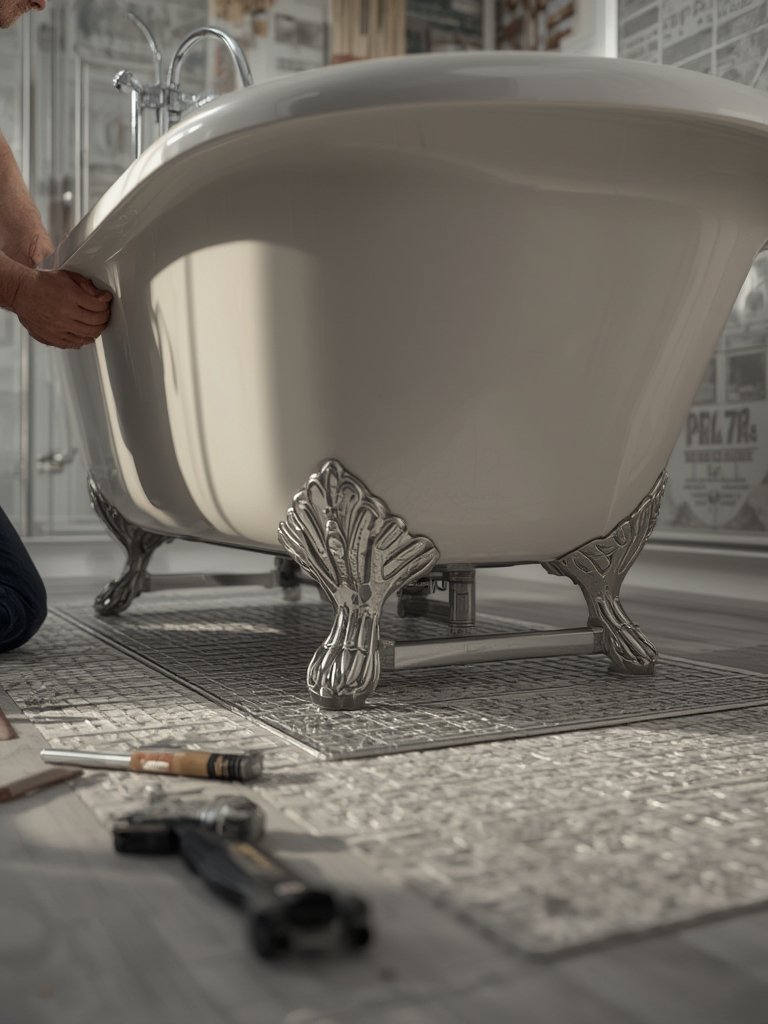
- Setting the Tub: Professionals will position the tub, connect water and drain lines, and shim as needed for level. Adjustable feet or rubber shims are best for uneven floors.
- Finish Work: Complete tile, caulk all seams, and perform a high-pressure leak test before use.
Bonus Advice: Want to create a truly serene bathing experience? Layer in non-toxic, smoke-free candles for a relaxing spa feel. Our Best Non-Toxic Smoke-Free Candles guide has expert picks for bath time ambiance.
Advanced Analysis & Common Pitfalls
Despite their appeal, freestanding bathtub installations bring key challenges—and frequently hidden costs—that aren’t always obvious up front.
Common Problems to Watch For
- Underestimating Total Cost: While the average range is $3,656–$4,100, complex projects (older homes, tub conversions, luxury finishes) easily reach $10,000+.
- Plumbing Surprises: Relocating water and drain lines often reveals hidden issues—corroded pipes, outdated plumbing, or code violations—that increase labor costs and project timelines.
- Floor Strength: Failing to reinforce floors for large soaking tubs may cause long-term structural damage, especially in upstairs or historic homes.
- Incomplete Waterproofing: Skimping on tile surrounds or water barriers risks water damage and costly repairs later.
- Permit Oversight: Not securing required permits can result in failed inspections and fines.
- Conversion Costs: Changing from a shower or built-in tub to freestanding? Expect additional demolition, disposal, and finish work—often totaling $5,000–$6,000 or more.
For a deeper look at maximizing home value with luxurious bathroom upgrades, see Spa Bathroom Design.
Comparison: Freestanding vs Built-In Tub Installations
| Type | Average Total Cost | Common Extra Costs | User Experience |
|---|---|---|---|
| Freestanding Tub | $3,656–$4,100 (can reach $10,000+) | Plumbing changes, structural reinforcement ($500–$1,500), tile surrounds | Luxury spa look; versatile placement; harder to clean around |
| Alcove/Drop-In Tub | $400–$2,000 | Demolition if replacing; less reinforcement; easier waterproofing | Practical, easy cleaning; less design impact |
No clear data suggests freestanding tubs always increase resale value—but they do attract style-conscious buyers and suit spa bathroom themes. For more on spa-like features and ROI from bathroom upgrades, visit our Spa Bathroom Design guide and Outdoor Living Space Ideas for whole-home inspiration.
Key Takeaways: Hidden Costs of Freestanding Bathtub Conversion
- Old tub removal/disposal: $230–$1,555
- Plumbing upgrades: $400 and up
- Floor reinforcement: $500–$1,500
- Tile surrounds: $800–$2,500
- Permits: $50–$300
- Unexpected demolition/repair if surprises arise
Always leave a 10-15% contingency in your renovation budget to deal with unplanned issues. For more smart renovation strategies, explore our Backyard ADU Cost Guide for ways to save on major home projects.
Conclusion
Freestanding bathtub installation delivers real style and standout spa comfort—but it comes with significant investments of time, planning, and money. By expecting hidden costs related to plumbing, floor strength, and code compliance, you can avoid common pitfalls and ensure great results.
Ready to transform your space? Start with good planning, smart budgeting, and a realistic timeline. If you want your freestanding bathtub installation to deliver maximum relaxation and value, hire experienced professionals and never skimp on waterproofing or floor support. Looking for more inspiration? Don’t miss our related guides on Biophilic Design Elements and Pillar Candle Centerpiece Ideas to round out your ultimate spa sanctuary at home.
FAQ
How much does it cost to install a freestanding bathtub in 2026?
Average costs for a freestanding bathtub installation in 2026 range from $3,656 to $4,100, but luxury projects can climb to $10,000 or more. Costs depend on your region, tub choice, and whether extra reinforcement or plumbing is needed. (Source)
Can I install a freestanding tub myself, or do I need a professional?
Most installations require a professional, especially if plumbing or structural work is needed. DIY projects risk leaks or floor damage if not done properly and may violate building codes. Hire a pro for best results.
Is extra floor support always necessary for freestanding tubs?
If your tub is heavy (especially large soaker styles or cast iron), or installed on an upper floor or in an older home, floor reinforcement is usually needed. A structural assessment is recommended before purchase. (Source)
How long does freestanding bathtub installation take?
Timeframes vary by complexity, but expect at least 1–2 days for labor (not counting design, permits, or extra repairs). Conversions or renovations can take a week or more including floor and wall prep.
Are freestanding bathtubs suitable for small bathrooms?
They can work in small spaces if you choose compact tub styles and plan for clearances. Be realistic about floor support and cleaning access. For more ideas, explore our guide to Spa Bathroom Design.