

Biophilic design elements are reshaping how homeowners approach comfort, well-being, and beauty in residential spaces. They’re not a fleeting trend—recent scientific research confirms real wellness benefits for families seeking a healthier, more nurturing home environment. But what exactly do these nature-inspired features deliver, and how can you realistically add them to your own space?
Key Takeaways
- Biophilic design elements like natural light, greenery, and organic textures deliver measurable mental and physical health benefits in homes.
- Simple, actionable steps can transform apartments and houses—no matter your square footage or climate.
- Common pitfalls include plant care struggles and overlooking low-maintenance options; solutions exist for even the busiest lifestyles.
- What Are Biophilic Design Elements and Why Do They Matter?
- Step-by-Step Guide: Bringing Nature Indoors
- Advanced Analysis & Common Pitfalls
- Conclusion
- FAQ
What Are Biophilic Design Elements and Why Do They Matter?
At its core, biophilic design is about intentionally weaving nature into the built environment. This can be as straightforward as letting in more sunlight, using houseplants as decor, or selecting materials inspired by the outdoors—wood, stone, water, and natural fibers. The driving force is our human need for connection to nature, called “biophilia”.
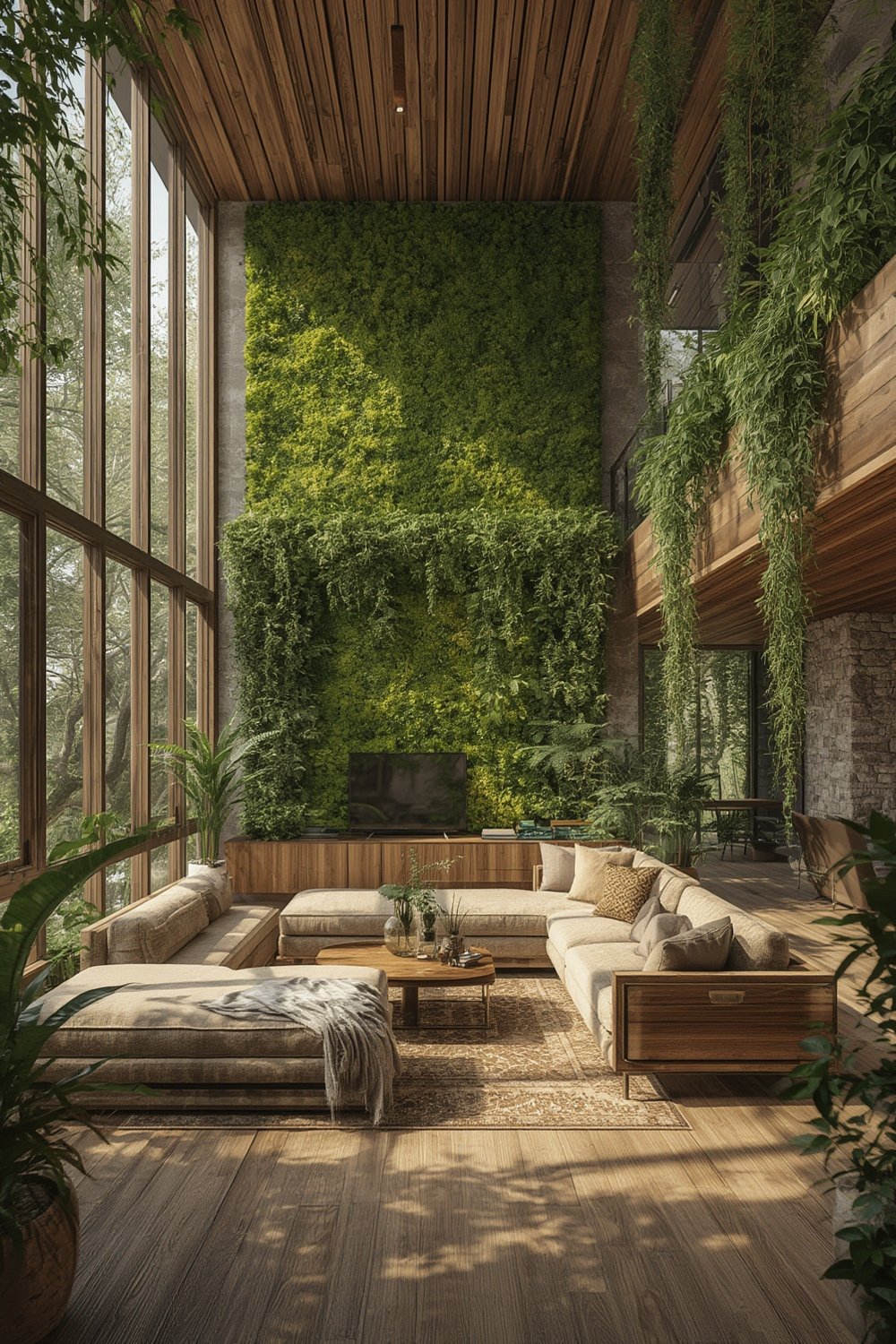
Why invest? Recent peer-reviewed studies from 2022 to 2024 have shown that introducing biophilic design elements into residential settings can reduce stress, improve mood, and even support better attention and resilience. In a 2025 virtual reality-based experiment, participants exposed to natural light, fresh air, and greenery at home recovered from stress faster—measured by improved physiological markers. Other reviews link houseplants, daylight, and views of nature to better mental health and productivity [source].
The story isn’t just about well-being. Daylighting and airflow from features like operable windows and balconies are linked with energy savings and improved air quality. Integrating biophilic design into your living space can mean a home that feels fresher, calmer, and more inviting day after day.
If you already love the idea of using candles as décor, you might enjoy exploring pillar candle centerpiece ideas to bring warmth alongside greenery.
Step-by-Step Guide: Bringing Nature Indoors
Ready to get started? Any home can benefit from biophilic design elements. Follow these steps—no architectural degree required!
- Maximize Daylight: Position furniture to capture natural light from windows. If privacy allows, remove heavy drapes and replace them with light-filtering curtains. Consider rearranging your workspace so you face a window or garden as you work.
- Improve Ventilation: Use operable windows and doors to create cross-ventilation whenever possible. Fresh air not only feels good but also supports cognitive function and air quality, as highlighted in current research.
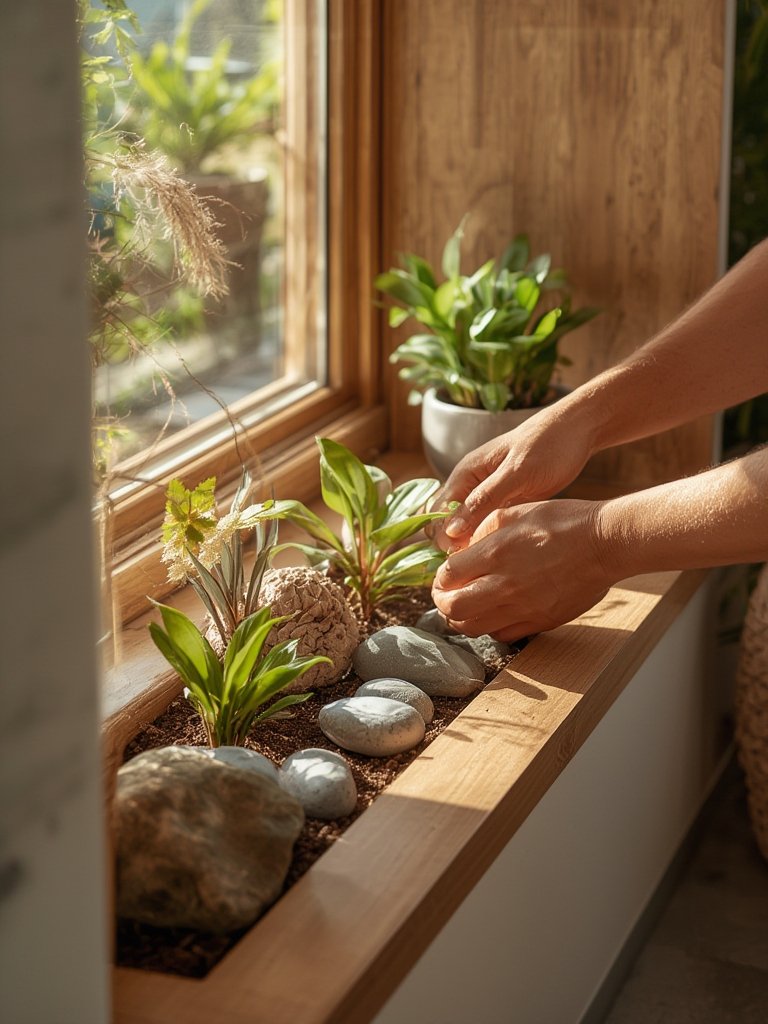
- Layer in Houseplants Thoughtfully: Choose resilient, low-maintenance plants such as snake plants, pothos, or ZZ plants. Place them in areas where you spend time—on nightstands, desks, or bathroom counters. If you struggle with plant care, opt for self-watering pots or professional services.
- Organic Materials & Textures: Use wood, rattan, jute, or unpolished stone for furniture and decor. Add natural fiber rugs or woven baskets for warmth and texture.
- Outdoor Views & Access: If you have a balcony or small patio, make it accessible and usable. Even a compact outdoor nook can create the feeling of direct connection to nature.
- Connect with Water: Incorporate small tabletop fountains or water features. The sound and look of water adds to the calming effect, as supported by multidisciplinary biophilic research [reference report].
- Sensory Enhancements: Use non-toxic, smoke-free candles to evoke natural scents and support well-being. Explore clean-burning candle options that won’t compromise indoor air quality.
If you’re updating your bathroom and want that wellness vibe, consider a spa-like bathroom remodel which naturally incorporates biophilic principles with calming tones and natural textures.
For year-round thermal comfort, pair biophilic design with an energy-saving smart thermostat, letting you make the most of natural light and airflow while cutting utility costs.
Advanced Analysis & Common Pitfalls
Research from 2022–2024 underscores both the upsides and obstacles of biophilic design in practice. Here’s what to watch out for:
- Plant Care Burnout: Many homeowners underestimate the watering, pruning, and pest prevention that come with indoor plants. Lack of light is another downfall—especially in shaded apartments.
- Overdecorating with Greenery: Too many plants or poorly maintained ones can lead to clutter, mold, or pest problems instead of stress relief.
- Ignoring Energy Impacts: Maximizing natural light without considering insulation or window treatments can drive up cooling costs. Conversely, too much shading restricts daylight’s benefits.
- Material Choices: While organic materials are central, details on their cost, maintenance, and lifespan are often overlooked. For instance, natural woods require sealing; stone is heavy and can stain. High-quality fibers like jute may shed or fade with use.
- Allergies & Indoor Air Quality: Some plants or materials may trigger allergies or harbor mold if not cared for correctly.
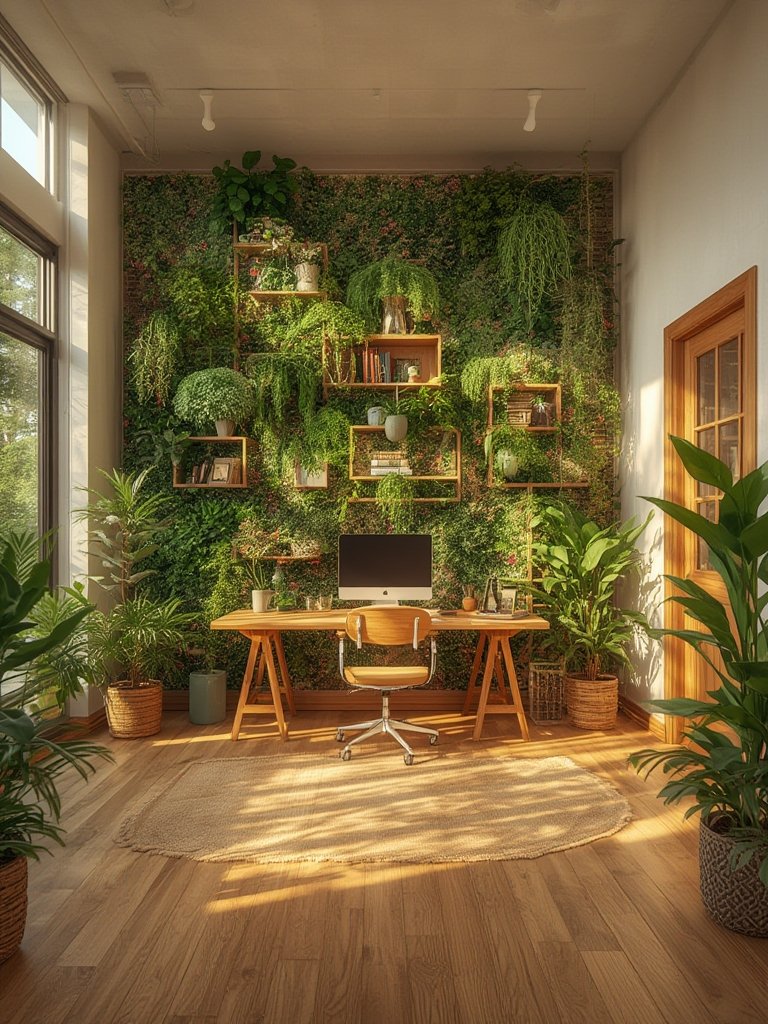
- Outdoor Access Limitations: Small-space dwellers or those in high-rise buildings might not have balconies or gardens. Creative window views, vertical gardens, or even realistic nature murals can help.
| Biophilic Feature | Upsides | Potential Downsides | Realistic Solution |
|---|---|---|---|
| Indoor Plants | Mood boost, cleaner air, visual appeal | Requires consistent care; may attract pests | Choose low-maintenance species and self-watering planters |
| Natural Light | Improves focus, supports healthy circadian rhythms | Glare, heat gain, fading of furnishings | Install adjustable blinds or UV-filtering window films |
| Organic Materials | Warmth, tactile comfort, sustainable | Can be more expensive, sometimes harder to clean | Mix high-wear synthetics in traffic zones; regular upkeep |
| Balconies/Outdoor Access | Fresh air, visual connection to outdoors | Not available in every home | Use window gardens, faux views, or “biophilic corners” indoors |
Bathrooms provide a surprisingly easy entry point for biophilic upgrades; see inspiration for wet room installation for accessible design if you’re considering a larger project.
Conclusion
Embracing biophilic design elements in any home need not be complicated or expensive. The most important gains—reduced stress, greater comfort, and a healthier atmosphere—are accessible when you start with light, greenery, and organic textures. Start small, observe the impact, and don’t hesitate to experiment. For a fresher, more balanced life at home, bring nature back inside—one room at a time.
Ready to refresh your space? Try just one idea from this guide and see how you feel in a week.
FAQ
Are there proven health benefits to adding biophilic design elements at home?
Yes. Multiple peer-reviewed studies from 2022–2024 show significant links between biophilic elements—like daylight, plants, and natural materials—and reduced stress, improved energy, and cognitive benefits. See Frontiers in Virtual Reality 2025 study for details.
What are the most common mistakes people make with indoor plants?
Overwatering, neglecting light requirements, and choosing hard-to-care-for species. Opt for easy varieties like snake plant and invest in self-watering pots if you’re forgetful.
Is biophilic design realistic for small apartments with no outdoor space?
Absolutely. Focus on maximizing daylight, using window sills for greenery, and integrating natural fibers and textures. Faux plant walls and realistic nature art can also help foster that calming effect.
How can I balance energy efficiency with maximizing sunlight?
Install adjustable blinds or smart shades, and consider window films that block heat but allow in healthy light. Pairing biophilic upgrades with a smart thermostat can help manage energy use effectively.
Do organic materials cost more and are they hard to maintain?
It varies. Some, like solid hardwood or premium stone, cost more upfront and may need extra care. Mix with more practical options and clean regularly—many natural fibers (like jute or cotton) are wallet-friendly and easy to replace.