

Backyard ADU cost has become a hot topic in 2026, as more homeowners look to maximize property value and create flexible living space. But what does it really cost to build a backyard ADU, and what budget traps should you avoid? Here’s a no-nonsense breakdown you won’t find in fluff-filled guides.
Key Takeaways
- The average backyard ADU cost in 2026 ranges from $110,000 to $285,000, with significant regional variation.
- Permitting, utilities, and hidden fees can add thousands—unexpected costs are common and require planning.
- New regulations in many states are making backyard ADU projects easier, but local hurdles and HOA rules can still slow you down.
- How Much Does a Backyard ADU Cost in 2026?
- How to Plan for Backyard ADU Cost (Step-by-Step Guide)
- Advanced Analysis & Common Pitfalls: What Most People Miss
- Conclusion
- FAQs about Backyard ADU Cost
How Much Does a Backyard ADU Cost in 2026?
Backyard ADU cost isn’t one-size-fits-all. In 2026, the average price for a detached, new-construction accessory dwelling unit typically falls between $110,000 and $285,000, or roughly $150 to $300 per square foot. However, real numbers swing widely depending on your region and the project’s complexity.
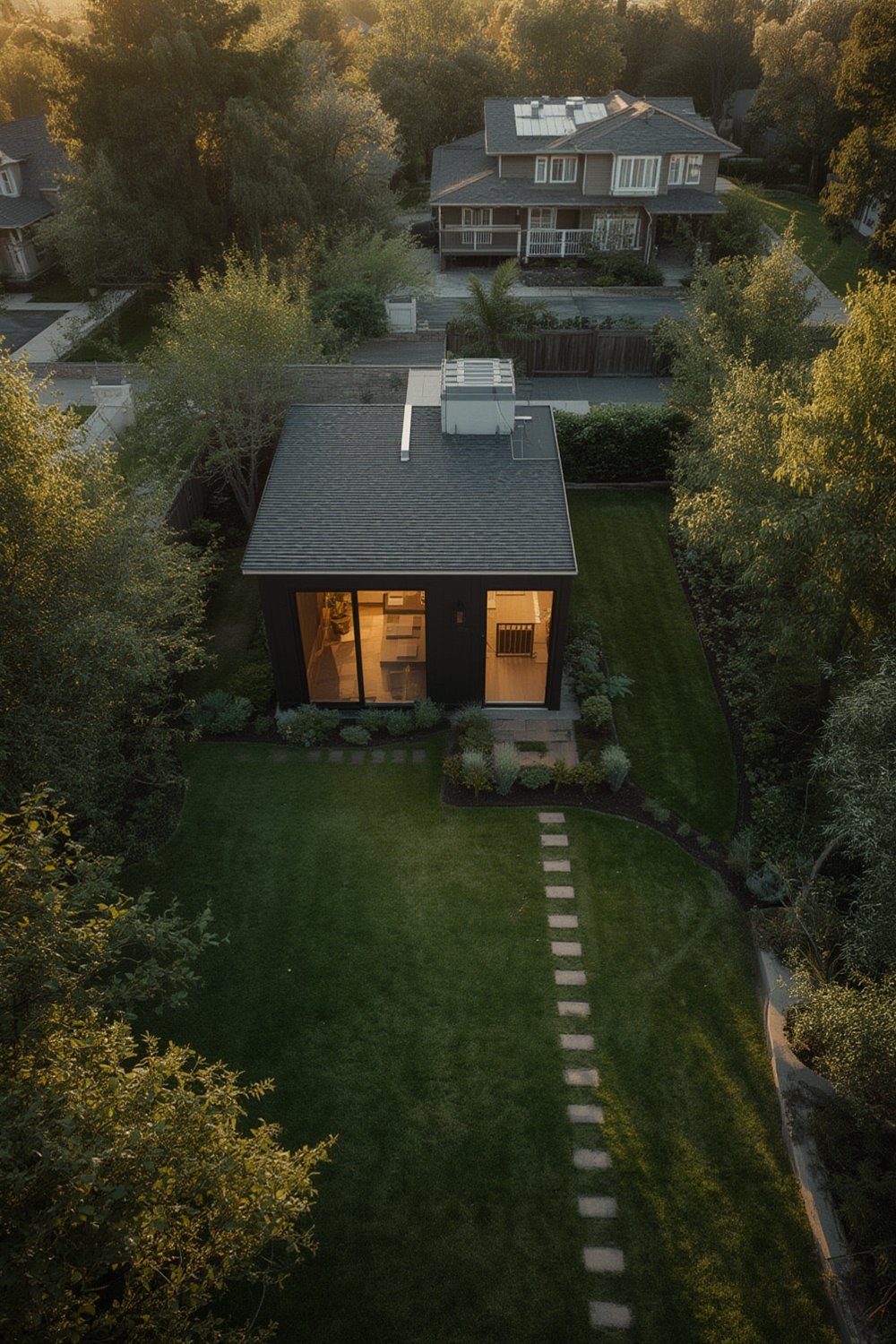
California leads the pack with prices often landing between $150,000 and $350,000+ due to strict rules and high labor costs. Texas typically sits lower, from $100,000 up to $300,000, thanks to fewer regulations and more affordable labor. Cities like Phoenix, Portland, Las Vegas, and Baltimore offer mid-range pricing, most hovering around $110,000 to $220,000 for a new build. Source.
Here’s a typical budget breakdown for a 600-square-foot detached ADU:
- Construction: $100–$300 per sq ft ($60,000–$180,000)
- Framing: $20,000–$50,000
- Plumbing, Electrical, HVAC: $10,000–$30,000
- Roofing & Siding: $5,000–$30,000
- Interior Finishes: $40,000–$120,000
- Foundation: $5,000–$20,000
- Permits: $500–$3,500
The range is huge because every project is different. Basement and garage conversions are less expensive, since they use existing structures. Prefab backyard cottage pricing may seem like a shortcut, but costs are similar once delivery, site prep, and installation are factored in. Want a deep regional breakdown? Check out this Arizona-centric guide.
Utility expenses—from plumbing lines to electrical hookups—are often buried within general construction costs, yet they can break your budget if your lot is awkward or slopes. Plan for at least $10,000–$30,000 in these categories alone. Cutting corners here can create future headaches. Permitting and impact fees, especially in smaller cities, may seem trivial but can stall your project for months if you’re not prepared. For a detailed permitting snapshot by state, read this comprehensive permit cost roundup.
All in, expect to spend at least $110,000 even for the simplest detached ADU. Going higher-end? Costs can reach $350,000 in strict-regulation zones, particularly if you want premium finishes or above-garage structures.
Curious how this compares for basement conversions, attached units, or modern prefab options? The next section breaks down your options, step by step.
How to Plan for Backyard ADU Cost (Step-by-Step Guide)
Navigating backyard ADU cost means doing your homework before you ever break ground. Here’s how to plan smart—and avoid the common traps.
- Determine ADU Type and Size:
- Detached new construction (most costly, most flexible use)
- Attached additions (mid-range cost, less yard impact)
- Garage/Basement conversions (often $60,000–$150,000; skips new foundation and usually shares utilities)
- Get a Land Survey & Check Local Zoning: Determine your city or county rules. Setbacks, height limits, and lot coverage could force you to change your plans—or doom them entirely. Quick reference: Most US ADU rules by city—see this external guide.
- Obtain Preliminary Quotes: Itemize bids from reputable ADU builders. Don’t just ask “what’s the total?” Break it down by:
- Permits
- Concrete/foundation work
- Plumbing/electrical
- Interior finishes
- Site prep and utilities
- Budget for Permits and Fees: Most places now require $1,000 to $3,500 in permit expenses, but impact fees or HOA surcharges can also apply. Some cities (like those in Vermont or New Hampshire) cap ADU size under 900 sq ft but streamline permitting to compensate.
- Prepare for Utility Upgrades: Older homes may need new main water, sewer, or power lines. This can add $10,000–$30,000. On sloped or hard-to-reach lots, prices spike further.
- Plan for Cleanup and Final Touches: Landscaping, cleanup, fencing, or stormwater management can tack on unexpected costs ($2,000–$10,000 easily).
- Think Long-Term: Consider how an ADU will alter your property taxes, insurance, and even future resale value. Want to really maximize your property’s aesthetics? Browse these pillar candle centerpiece ideas for stylish ways to decorate your new space after completion.
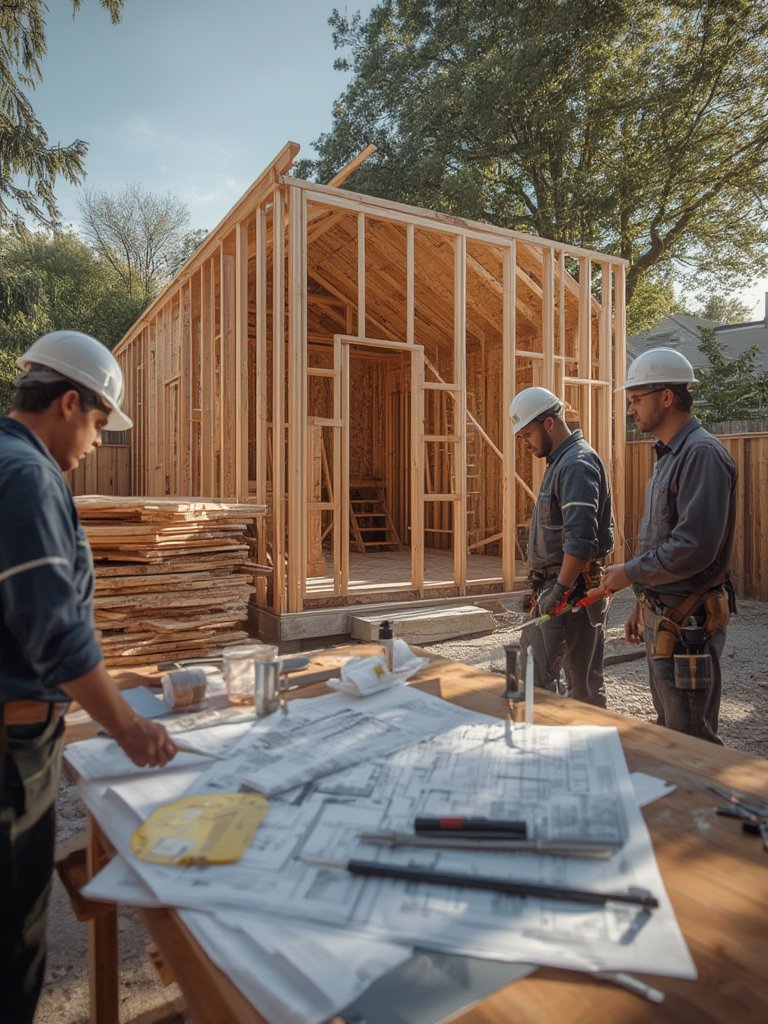
If you’re weighing energy-saving upgrades during your ADU build, check out this smart thermostat installation. Smart setup today can slash your future utility expenses.
And if your ADU project includes bathroom upgrades, see this spa-like bathroom remodeling guide or wet room installation breakdown for ideas that combine style and function.
Advanced Analysis & Common Pitfalls: What Most People Miss
Even experienced homeowners underestimate the complexities and hidden traps of backyard ADU cost. Here’s a clear-eyed look at tough realities, plus a cost comparison table to help you decide which option makes the most sense for your goals.
- Hidden Fees: Site cleanup, debris removal, landscaping, and final inspections can sneak in late ($2,000–$10,000+).
- Permitting Delays: Some regions still enforce strict size caps, design reviews, or require expensive architectural plans ($4,000–$20,000).
- Property Taxes & Insurance: Adding an ADU raises your home’s assessed value, meaning your annual taxes will rise. Don’t ignore this when projecting long-term ROI.
- Utility Surprises: In older neighborhoods, main lines may need full replacement, and that’s rarely in first-round builder bids.
- HOA & Zoning Hurdles: Even where state law has changed, neighborhood associations can limit or prohibit new ADUs outright.
| ADU Type | Average Cost Range | Initial Investment Notes |
|---|---|---|
| Basement/Garage Conversion | $60,000–$150,000 | Least expensive; leverages existing structure and utilities |
| Attached New Construction | $100,000–$216,000 | Shares wall(s) and some utilities with main home |
| Above-Garage ADU | $128,000–$225,000 | Higher due to added structural support costs |
| Detached (Granny Flat/Prefab) | $110,000–$285,000 | Highest initial; full site prep, utility, and foundation |
Reference: Cost breakdown source.
Prefab backyard cottage pricing is similar to other detached ADUs once you include delivery, foundation, and installations. Read more external details here.
Long-term ROI is excellent for rental, with monthly rents spanning $900–$3,000 depending on city and build quality. Still, remember property taxes and insurance will climb, and not every city allows short-term rentals.
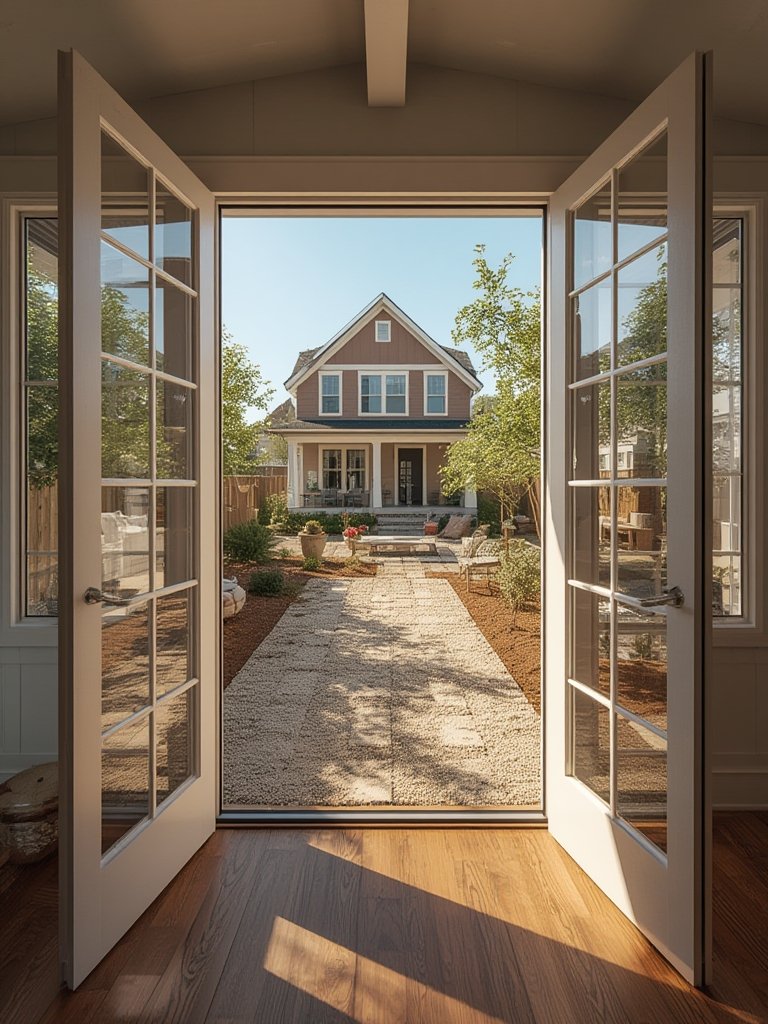
Finally, for improved air quality or a calming home, adding non-toxic candles is a simple, attractive finishing touch in your new ADU.
Conclusion
In today’s housing market, understanding backyard ADU cost is critical for making smart, future-focused upgrades to your property. Expect to spend $110,000 to $285,000 for a detached unit—with costs rising for above-garage designs and falling for conversions. Clear, upfront budgeting and careful planning will save you from costly surprises. Ready to unlock your yard’s hidden value? Research thoroughly, get multiple bids, and revisit this guide when you’re pricing your next backyard ADU cost project.
Get started today by connecting with experienced ADU builders in your area—plan smart, spend wisely, and enjoy a flexible new space that can enhance both your lifestyle and your property’s long-term value.
FAQ
What is included in the average backyard ADU cost estimate?
Most estimates include construction, framing, roofing, plumbing, electrical, HVAC, interior finishes, foundation, permits, and basic utility hookups. Site prep, landscaping, and hidden fees may not be included and can add significantly to your total.
Can I lower backyard ADU cost by choosing a prefab or modular unit?
Prefab options may slightly reduce construction time, but the delivered, installed, and finished cost is comparable to traditional builds when site prep, permits, and utilities are included.
How do local regulations influence backyard ADU cost?
Permitting requirements, maximum unit size, design review, and impact fees all vary by region—these can significantly alter overall costs and determine what type of ADU you can build. Recent rule changes in some states have lowered barriers, but HOA rules may still apply.
Do ADUs increase property taxes?
Yes, building an ADU increases your property’s assessed value. Expect your annual property tax bill to rise after construction—always check your assessor’s methodology before you begin.
How can I maximize ROI on my backyard ADU?
To maximize ROI, keep construction costs reasonable, ensure compliance with local codes, and consider future uses (such as in-law suite, rental unit, or workspace). Rental income can offset costs, but also factor in maintenance, insurance, and taxes.