

Thinking about a wet room installation? This guide offers a realistic, actionable path to transforming your bathroom. Wet rooms are gaining popularity due to their accessible design and modern aesthetics — but they’re not without challenges. Here’s what you need to know before you start.
Key Takeaways
- Wet room installation is growing, with 13% of bathroom renovations in 2024 including this design for improved space and accessibility.
- waterproofing and drainage are the most common pitfalls, with poor installation leading to costly repairs.
- Average wet room projects cost $13,000, but careful planning and the right products can reduce expenses significantly.
- What is a Wet Room Installation and Why Choose It?
- Step-by-Step Guide to Wet Room Installation
- Advanced Analysis & Common Pitfalls
- Conclusion
- Frequently Asked Questions
What is a Wet Room Installation and Why Choose It?
A wet room is a fully waterproofed bathroom where the shower area is level with the rest of the floor, removing barriers like tubs or shower trays. Water drains via an integrated system, usually a linear drain, and the entire floor is protected with a continuous waterproof membrane.
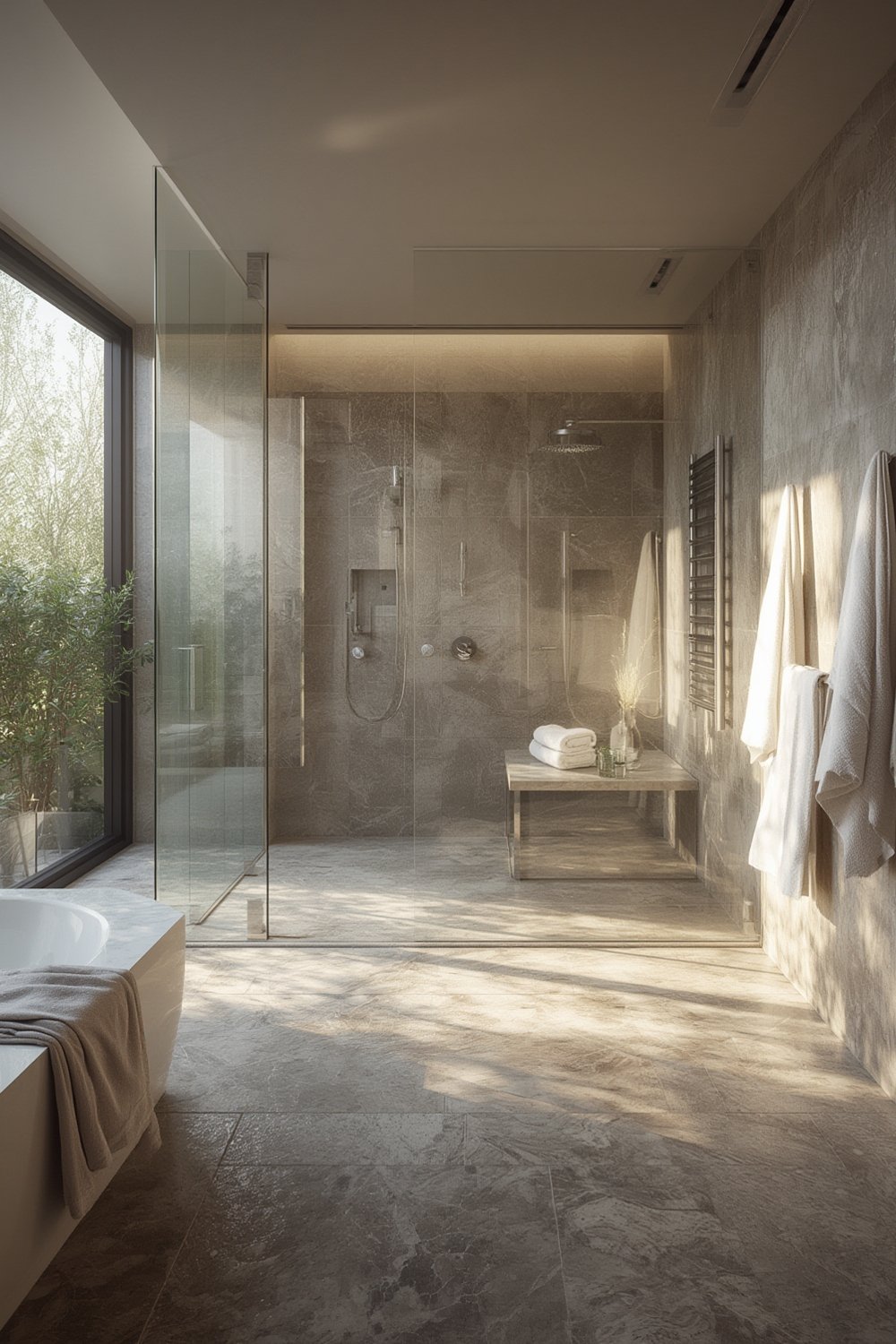
This approach maximizes usable space, boosts accessibility, and creates a clean, minimal look. In 2024, 13% of homeowners updating their bathrooms chose a wet room for better space use (66%), accessibility (39%), and aesthetics (33%). For those planning a spa-like bathroom remodel or adapting a space for aging in place, a wet room offers practical, future-ready style. Additionally, wet rooms are easier to clean, with fewer nooks and seams where grime collects.
However, while the open-concept look is appealing, a wet room isn’t for every layout. Managing moisture and water flow is critical. Any mistake in waterproofing could result in significant damage, so understanding the process and possible pitfalls will help ensure a successful installation.
If you’re also considering design elements to complement your wet room, check out pillar candle centerpiece ideas for an inviting, tranquil atmosphere.
Step-by-Step Guide to Wet Room Installation
A meticulous approach is needed for wet room installation to avoid water damage and ensure long-lasting results. The process below guides you from prep to final finish:
- Design & Planning
Start with a detailed floor plan. Identify the ideal location for your drain — usually the lowest point in the floor. Decide on a curbless shower if accessibility is a concern. Research local codes, and gather inspiration; our spa bathroom design guide can help. - Select Waterproofing System
Choose high-quality membranes or waterproof boards. Leading system installations prevent up to 99.8% of moisture failures when done properly [source]. Don’t skimp — even small leaks are expensive to fix. - Install Drainage
Fit a linear drain at the lowest point, sloping the floor at least 2% toward it. Professional linear drain installs cost $800-$1,500. DIY options are possible, but attention to slope and sealing is vital. - Lay Waterproof Membrane
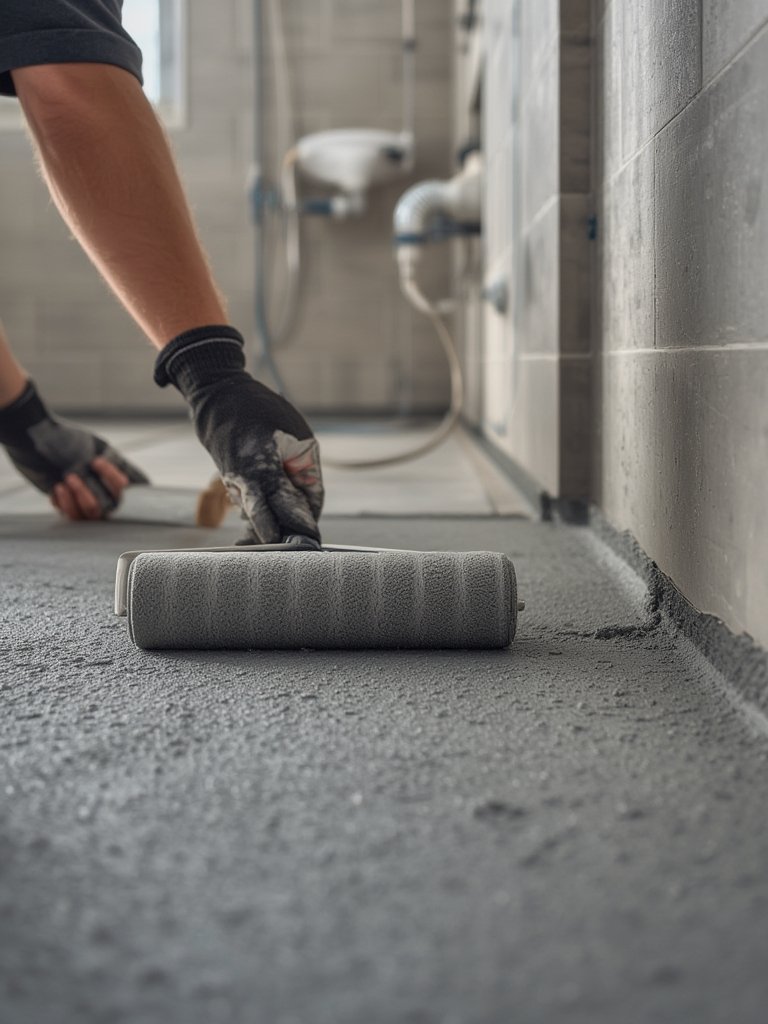
Carefully apply the waterproof membrane to floors and at least 12″ up the walls. Make sure seams are overlapped and sealed. Use prefabricated corners to avoid weak spots. - Tiling
Use non-porous tiles for floor and walls. Large format tiles require fewer grout lines but may need extra anti-slip treatments. - Fixtures & Fittings
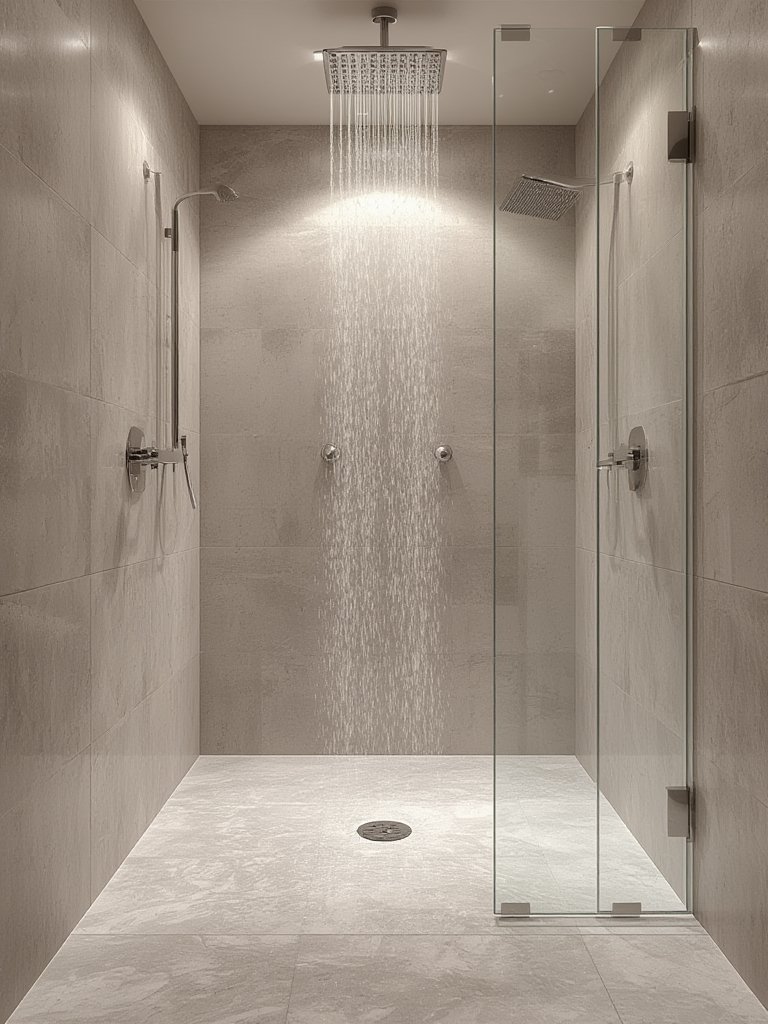
Opt for wall-mounted vanity units and floating shelves. Choose a rainfall-style shower head and consider glass panels for partial separation if splashing is a concern. - Final Checks & Testing
Before installing bathroom furniture, flood-test the waterproofing layer for at least 24 hours. Address any leaks before proceeding.
If you’re striving to make your space healthier, pairing your wet room with non-toxic, smoke-free candles will further enhance your relaxation and wellness goals.
Advanced Analysis & Common Pitfalls
Even experienced installers encounter issues with wet room installation. Here are the most common challenges, based on the latest research data:
- Improper Waterproofing: Most expensive mistake — average repairs reach $12,000. Even a pinhole can result in significant floor or wall damage. Comprehensive systems, installed correctly, prevent nearly all issues [source].
- Poor Drainage Slope: Drainage that is not steep enough leads to pooling, while over-sloping is uncomfortable and unsightly. Getting the slope right is critical.
- Material Failures: Using porous tiles or cutting corners on adhesives and sealants can lead to early breakdown, staining, and mold risk.
- Overlooking Accessibility: Not all curbless showers are truly barrier-free; check entry width, showerhead height, and support bar placement, especially for aging in place.
- Cost Overruns: Failure to accurately budget for waterproofing, underestimating labor, or misjudging fixture prices (especially with rising import tariffs) can result in going well above the $13,000 national average [source].
| Challenge | Estimated Cost Impact | How to Prevent |
|---|---|---|
| Waterproofing Failure | $12,000 (repair avg) | Invest in professional membrane installation, flood test thoroughly. |
| Poor Drainage | $500-$2,000 | Use pre-formed trays or precision leveling tools. |
| Lesser Quality Materials | $1,500+ | Select high-grade, moisture-proof tiles and certified adhesives. |
| Coding Issues | Variable (may require rework) | Consult local building codes before starting the project. |
For more on how to create spaces that balance function and calm, see our guide to spa-like bathroom features.
Conclusion
Wet room installation offers a modern, practical solution for accessible and stylish bathrooms. Prioritizing waterproofing, drainage, and the right materials helps you avoid common pitfalls and unexpected costs. If you want a space that’s easy to clean, future-proof, and beautiful, a wet room is a smart investment. Plan carefully, follow the steps above, and your wet room installation can be a success for years to come.
Ready to upgrade? Explore budget options and more inspiration by checking our latest home decor and spa bathroom features — or get a quote from a local pro today.
Frequently Asked Questions
Is a wet room more expensive than a traditional bathroom remodel?
Yes, wet rooms are generally more expensive, with average costs of $13,000. Strategic planning and DIY options can help lower expenses.
How do I waterproof a wet room properly?
Use a continuous waterproof membrane across the floors and walls. Overlap seams and test with a 24-hour flood before tiling.
Can a wet room be installed on a wood subfloor?
Yes, but additional preparation is required, including reinforcing the structure and using waterproof backer boards.
Do I need a professional for wet room installation?
Professional installation is advised, especially for waterproofing and drains. Mistakes in these steps can be very costly to fix.
How can I make my wet room safer for people with mobility challenges?
Ensure level, non-slip flooring, adequate grab bars, and a wide, step-free entry for wheelchair or walker access.