

Smart home security system adoption is surging in 2026 as millions seek better safety, convenience, and peace of mind—but there are serious pitfalls and important choices that could undermine your investment if you’re not prepared. This guide digs into the latest research and real-world best practices, so you can confidently build or upgrade a smart home security system that actually works.
Key Takeaways
- Adoption of smart home security systems is at an all-time high, but privacy and cybersecurity concerns remain critical for most users.
- Matter and AI are reducing false alarms and improving compatibility, but users still face integration pitfalls and overlooked security gaps.
- Choosing the right combination of cameras, sensors, and protocols is essential for genuinely effective—and private—home protection.
- What Is a Smart Home Security System? (And Why Does It Matter?)
- Step-by-Step Guide: How to Build a Next-Generation Smart Home Security System
- Advanced Analysis & Common Pitfalls
- Conclusion
- FAQ
What Is a Smart Home Security System? (And Why Does It Matter?)
A smart home security system uses internet-connected devices to protect your property. These systems can include cameras, motion sensors, smart locks, alarms, and AI-driven analytics—all managed through one or several smartphone apps or home hubs. Modern systems are designed to alert you in real time, deter intruders, automate emergency responses, and integrate with other smart home devices.
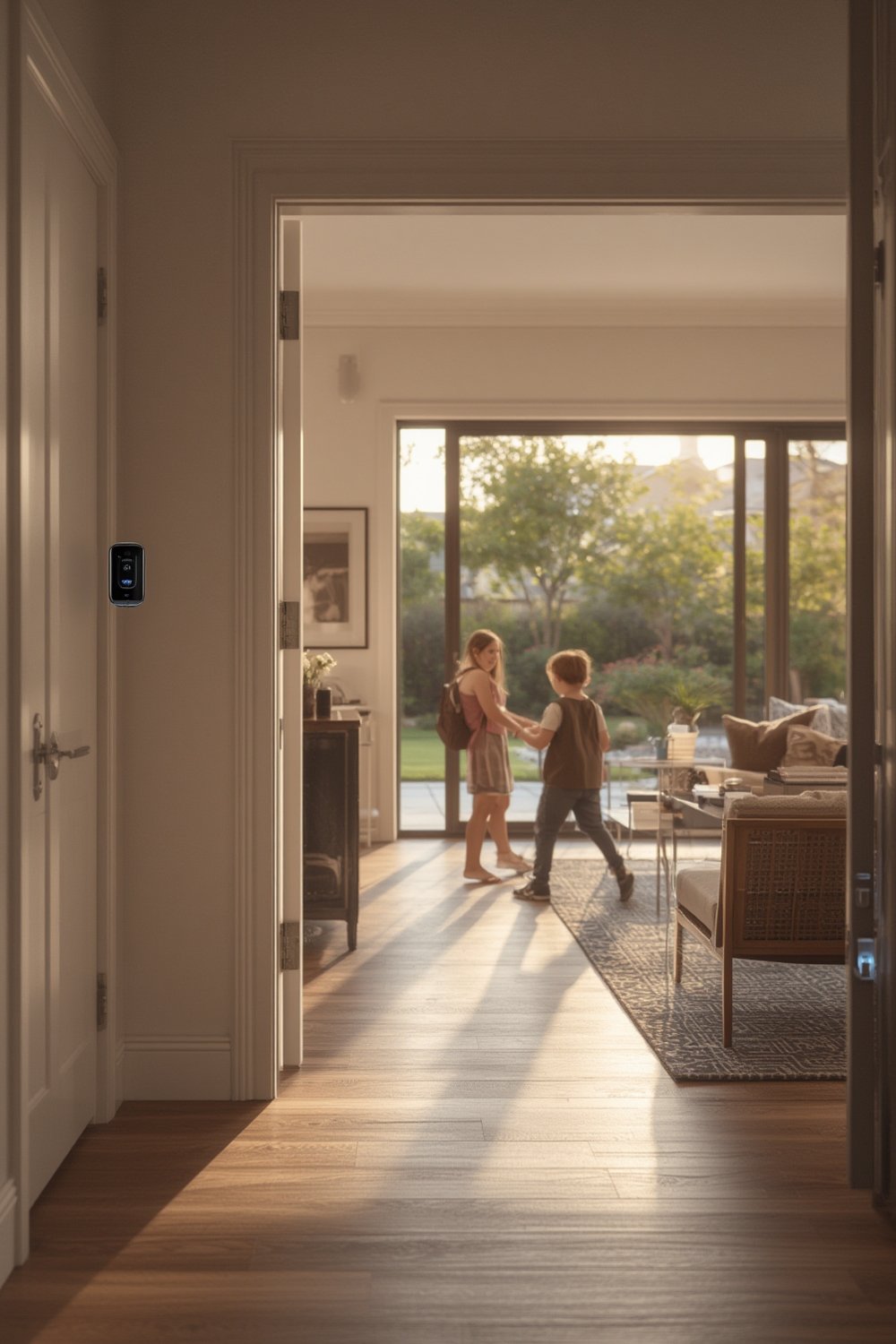
Why it matters: In 2024, 93% of Americans now own at least one smart home device, with over 94 million households using a security system. This massive growth is fueled by concerns about safety, convenience, and insurance benefits. Globally, adoption rates are set to reach nearly 500 million users, driving a new standard of home protection across homes of all sizes.
However, this rapid evolution introduces challenges. Many people still worry about hacking, privacy invasion, and device compatibility. 57% are concerned about data collection, while 46% fear system hacks. Understanding core principles—like device security, compatibility, and actual effectiveness—is essential before you buy.
Smart security systems are also evolving fast. The 2024 rollout of Matter (a new interoperability standard) makes it much easier to mix and match devices from various brands without headaches. Meanwhile, AI is making cameras much smarter and less prone to false alarms. But to take full advantage, you need a clear step-by-step plan.
Step-by-Step Guide: How to Build a Next-Generation Smart Home Security System
Building an effective smart home security system goes beyond picking a few popular gadgets. Here’s a proven approach based on 2024 market data, real-world pain points, and technical breakthroughs.
- Assess Your Home’s Risk Points
Walk your property, noting doors, windows, garages, and potential blind spots. Homes with multiple entrances or hidden yards need special attention. Think about how you live: If you get frequent deliveries, prioritize a video doorbell. - Choose AI-Enhanced Cameras (Indoor & Outdoor)
In 2024, 68 million US households use security cameras, with global installations doubling. Outdoor cameras with AI can distinguish between pets, people, and vehicles, reducing false alerts. Internal cameras can be used for monitoring entryways or nurseries—only place them where privacy isn’t a concern. - Install Smart Locks and Doorbell Cameras
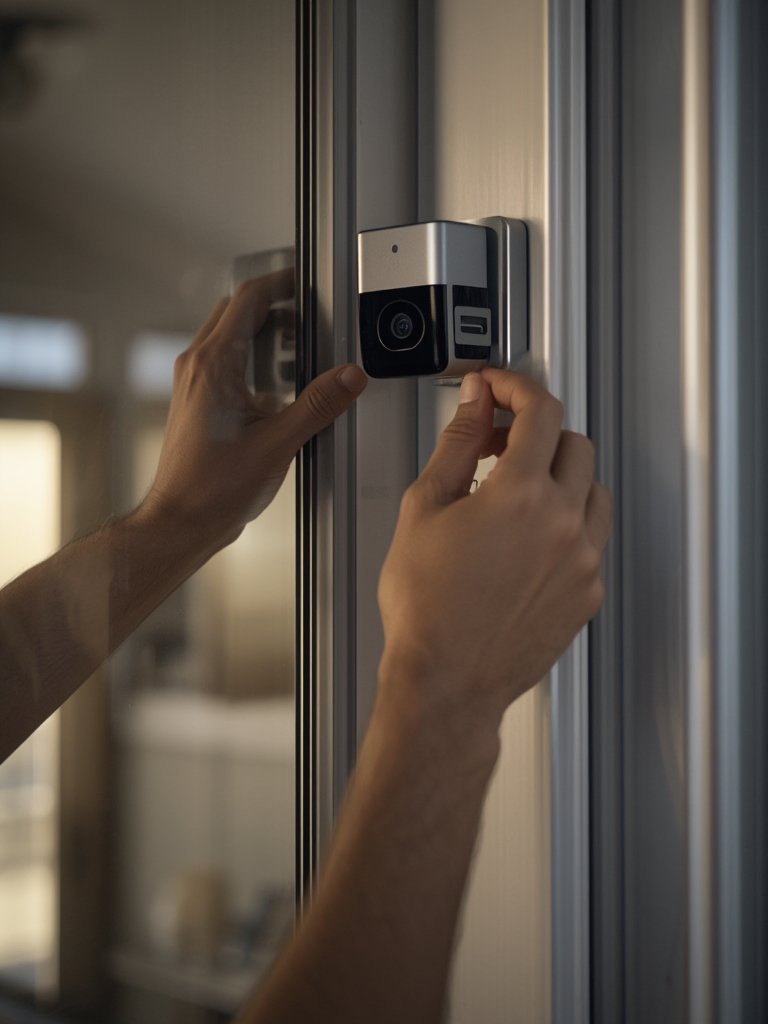
Video doorbells are now in 12% more homes year-over-year, and 1 in 5 security system users has added a smart lock. Choose devices that work with your primary home ecosystem (Apple, Google, Amazon, or any Matter-compatible hub). - Add Smart Sensors and Alarms
Install motion sensors near entry points and in common areas. Today, 43% of users choose motion-sensor lighting for added deterrence. Add smart smoke and carbon monoxide detectors, now used by over 1 in 3 security system users. - Set Up Centralized Control (App or Panel)
Use a central app or secure wall panel to manage alerts and device actions. Prefer multi-factor authentication (MFA) for extra security—many platforms now offer this by default. - Enable AI-Driven Automation
Newer systems let you automate responses: sound sirens, record video, or lock all doors with a single tap or command. Use built-in AI to differentiate real threats from routine activity. - Test Regularly & Update Firmware
Test your devices monthly and always apply software updates to patch security vulnerabilities. This is essential for protection against evolving hacking tactics.
Looking for ways to expand protection beyond security? Consider integrating clean air devices or spa-bathroom features for holistic home well-being. See our guide on non-toxic candles for a healthier indoor environment and spa bathroom design for stress relief at home.
For improved automation, pair your security system with a smart thermostat to help you save energy while maximizing security—especially when you’re away.
Advanced Analysis & Common Pitfalls
Even the best smart home security system has weaknesses. Based on the latest research and thousands of installs, here’s what often goes wrong—and how to avoid it.
- Data Privacy Risks: Over half of users worry about data collection or hacking. Many systems store data in the cloud without adequate encryption. Always check if your vendor offers end-to-end encryption and local data storage options.
- Device Compatibility Failures: Although Matter is closing the gap, not all devices play well together. Before purchasing, cross-check full compatibility lists—especially if you’re mixing older brands or ecosystems.
- Weak Default Passwords & MFA: Many installations are left with weak or default passwords, making them easy targets. Always set a strong password and enable two-factor authentication for all accounts.
- Ignored Firmware Updates: Outdated devices can expose major vulnerabilities. Set reminders for monthly update checks, especially on core devices like hubs, locks, and cameras.
- False Alarms & Notification Fatigue: Cheap or misconfigured systems can create constant alerts, which homeowners eventually ignore—leaving them less safe. Well-tuned AI detection is essential to cut down on unnecessary notifications.
- Poor Device Placement: Placing cameras too high, too low, or with blocked views reduces effectiveness. For motion sensors, avoid areas with frequent pet movement to prevent false alerts.
- Overlooking Peripheral Risks: Focusing only on main entry points leaves windows, garages, and basements vulnerable. Comprehensive coverage is key.
- Lack of Local Storage: Relying solely on cloud recording can be risky if your internet goes down. Add microSD or NVR (network video recorder) storage to important cameras.
| Common Pitfall | Impact | How to Avoid |
|---|---|---|
| No end-to-end encryption | Hackers can access video feeds or sensitive data | Choose security brands with built-in encryption |
| Non-Matter compatible devices | Devices can’t connect, leading to gaps in coverage | Verify compatibility before purchase, or buy open-standard devices |
| Ignoring regular software updates | Exposes your system to new hacking methods | Enable auto-updates and check for patches monthly |
| Overlooking backup power | System goes down in a blackout, killing security | Add battery backup for key hubs and cameras |
Manufacturers are increasing their focus on security but the pace differs. Until robust privacy features become standard across all brands, user vigilance is the most effective defense. For more on creating supportive, stress-reducing interiors, review the latest biophilic design ideas.
Conclusion
Smart home security systems have never been easier—or more critical—to deploy. With adoption skyrocketing and AI-powered features removing much of the hassle, a thoughtfully chosen system can deliver major peace of mind. However, proper planning, attention to cybersecurity, and a stepwise approach are non-negotiable. Weave in advanced controls, Matter compatibility, and strong privacy settings to get the most value. Explore related guides on maximizing outdoor living ROI and stunning home decor with candles to round out your home upgrade.
Ready to protect what matters? Start your smart home security system upgrade today—your future self will thank you.
FAQ
What is the biggest mistake people make with smart home security systems?
The most common mistake is overlooking device compatibility. Many homeowners purchase cameras or locks that do not work together, creating coverage gaps. Always check for Matter support or consult compatibility lists before buying.
Are smart home security systems easy for hackers to breach?
While modern systems are better protected than ever, poor password hygiene, outdated software, and lack of encryption can still make systems vulnerable. Choose vendors that prioritize security and always enable two-factor authentication.
How can I maintain privacy with cameras inside my home?
Install cameras only in entryways or common areas. Choose devices with built-in local storage and the option to turn off remote access or microphone recording when not needed.
Do I need professional installation, or can I DIY?
Most smart home security systems are now designed for DIY setup. However, if you have a complex multi-device environment or need help with optimal placement, consider hiring a professional for consultation or installation.
Is a smart home security system worth it if I live in a low-crime area?
Yes. Even in low-crime neighborhoods, smart home security systems add value, convenience, and deterrence. They also offer automation features, remote checks, and can reduce insurance costs.