

DIY home renovation budget planning has never been more challenging—or essential—in 2026. With renovation costs rising and more homeowners tackling projects themselves, a practical, numbers-driven approach is critical to avoid overspending and regrets.
Key Takeaways
- Median kitchen and bathroom renovation costs have climbed sharply in 2026, making strict DIY budget management crucial.
- Unexpected expenses are common—nearly half of homeowners overspend—so accurate planning and contingency funds are a must.
- Focus on cost-effective, high-ROI projects and avoid scope creep to maximize satisfaction with your DIY home renovation budget.
- Understanding the DIY Home Renovation Budget in 2026
- How to Build and Execute a DIY Home Renovation Budget (Step-by-Step)
- Advanced Analysis: Pitfalls, Real Costs, and Where DIYers Go Wrong
- Conclusion
- Frequently Asked Questions
Understanding the DIY Home Renovation Budget in 2026
Renovating your home yourself can save money, but only if you set realistic expectations. The average kitchen remodel cost in 2025 reached $24,000, up 20 percent over prior years, while median bathroom renovations hit $15,000—both driven higher by inflation and material price hikes. Whole-home renovations are even steeper, with median homeowner spend topping $25,000 in 2025. A large number of renovators overshoot their budgets due to rising prices and unforeseen complications.
With over 44 percent of homeowners reporting increased renovation expenses compared to the previous year, staying within a DIY home renovation budget is tougher than ever. However, when approached pragmatically, strategic DIYers can optimize costs, prioritize projects with strong returns, and sidestep common regrets. Understanding recent price trends, high-ROI project types, and real-world DIY pitfalls is essential before diving in.
How to Build and Execute a DIY Home Renovation Budget (Step-by-Step)
Ready to take on your own home upgrade? Use this step-by-step framework to keep your budget realistic, avoid common mistakes, and boost your project’s satisfaction rate.
- Define Your Project’s Scope and Priorities
- Focus on essential repairs or high-impact updates. Avoid “might as well” additions that will stretch your budget.
- Do you want a kitchen refresh, a bathroom facelift, or prioritized curb appeal projects? Each has a very different cost range.
- Research Real-World Costs (2026 Data)
- Average DIY kitchen remodel: While professional jobs run $24,000+ (mainly cabinetry, appliances, counters, labor), most DIYers target under $10,000. Accomplishing this often means cabinet paint and hardware yourself, using laminate countertop, reusing appliances, and sourcing discounted fixtures.
- Average DIY bathroom upgrade: Aim for under $5,000 by limiting plumbing changes and focusing on cosmetic upgrades like paint, new vanity, and updated fixtures.
- Track material inflation; for up-to-date stats see HIRI’s 2026 home improvement survey.
- Draft a Detailed, Line-by-Line Budget
- For every room, itemize expected costs: demolition/disposal, material, fixtures, tool rental/purchase, permits, and a 10-15 percent contingency for surprises.
- Sample DIY kitchen under $10,000 might include:
- Cabinet paint and hardware: $400
- Laminate countertop: $700
- Basic backsplash tile: $200
- Lighting/fixtures: $350
- Flooring: $1,100
- Appliance update (mix of new and gently used): $2,000
- Tool rental/purchase: $500
- Misc (caulk, primer, fasteners): $300
- Contingency: $900
- Time Your Material Purchases
- Shop sales (holiday weekends are best), clearance, or lightly used materials. Kitchen and bath supply inflation continues; bulk buy if storage allows.
- Some homeowners found success using reclaimed items for unique looks and big savings.
- Focus DIY Efforts Where Value Is Highest
- Curb appeal upgrades like garage door and steel entry door replacements are the top ROI projects—garage doors return 194 percent of cost, steel entry doors 188 percent, and manufactured stone veneer 153 percent according to 2026 national data.
- Painting remains the most cost-effective transformative update, often under $300 for a medium room with supplies.
- For bathroom ideas, check out our guide to spa bathroom design or see wet room installation for accessibility solutions.
- Track Spending and Adjust Quickly
- Update your budget each week and halt work if overruns crop up. Prioritize safety: don’t skip on electrical or plumbing standards.
- If the project’s scope grows, revisit your priorities; value doesn’t always scale with spend.
- Celebrate Small Wins
- Include at least one affordable “splurge” that delivers daily satisfaction, like a quality faucet or statement backsplash.
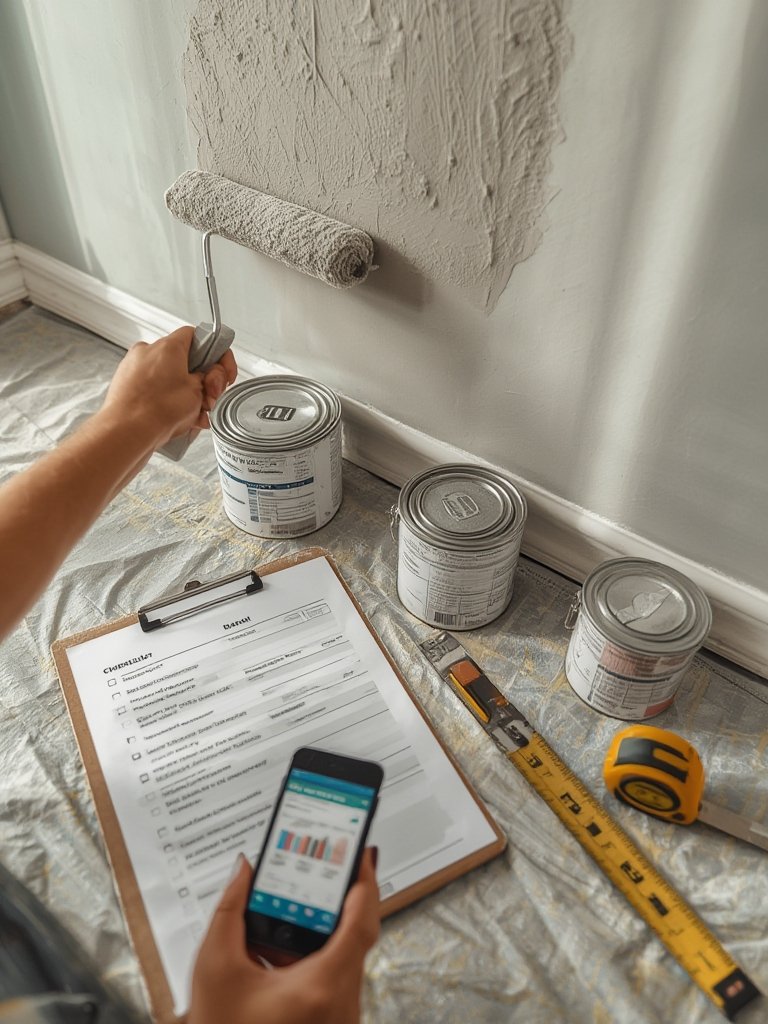
Want more creative decor-on-a-budget inspiration? See these pillar candle centerpiece ideas for a quick, affordable mood boost in your refreshed spaces.
Advanced Analysis: Pitfalls, Real Costs, and Where DIYers Go Wrong
Not all DIY home renovation budget results go as planned. Nearly 40 percent of renovators exceeded their spending targets in 2025, up from just a few years ago. Project complications, costlier materials, and unforeseen repairs were the main reasons. Realistically, homeowners expect to save but often end up paying more due to miscalculated material needs, underestimating tool rental/purchase costs, or expanding their project midway.
The table below compares typical professional and aggressive DIY budgets for kitchen and bathroom remodels in 2026:
| Project | Pro Median Cost* | DIY Target (Aggressive) | Common DIY Pitfalls |
|---|---|---|---|
| Kitchen Remodel | $24,000-27,492 | $7,000-10,000 | Under-budgeting, surprise repairs, plumbing/code errors, cost creep on appliances |
| Bathroom Upgrade | $15,000-25,251 | $2,500-5,000 | Hidden water damage, expensive fixtures, code missteps, tile wastage |
*Based on 2026 median professional costs. Source: Zonda Home Cost vs. Value Report
- Material inflation and shortages have driven up even basic costs. A roof replacement that was $7,700 in 2015 now averages $15,000. Bulk buying and sale hunting are more important than ever.
- Half of renovators who go DIY to save ultimately exceed their target—mostly due to project expansion, damaged materials, or improper initial measurement.
- High ROI, low-budget projects include curb appeal efforts. Get inspired by outdoor living space ideas to maximize property value on a tight budget.
- Organization and storage elements (especially custom cabinetry or inserts) are the likeliest spot for cost blowouts according to homeowners’ top regrets. Consider off-the-shelf solutions or gradual upgrades.
See our review of non-toxic smoke-free candles to create a healthier home vibe after reno dust settles—small details matter when maximizing renovation satisfaction.
Conclusion
Budget home renovations are more demanding in 2026, but a realistic DIY home renovation budget gives you the power to transform your space while minimizing regrets. Start with clear priorities, keep your spending detailed and honest, and regularly update your expectations with real market data. If you’re ready to tackle your next project, download a simple spreadsheet or budgeting app and start tracking every dollar for a smooth, satisfying result.
For more inspiration on wellness-focused spaces, see our take on biophilic design elements. Ready to get started? Develop your budget, commit to your priorities, and make every dollar count!
FAQ
How much do most DIY home renovation projects really cost in 2026?
The median kitchen remodel cost by professionals is over $24,000, and bathroom remodels average $15,000. Ambitious DIYers can update kitchens for $7,000–10,000 and bathrooms for $2,500–5,000, depending on scope and material choices.
What causes most people to exceed their DIY home renovation budget?
Underestimating material prices, discovering unexpected repairs, and expanding the project’s scope mid-way are the main reasons. Tool rental costs, fasteners, disposal, and permit fees are often missed in early budgets.
Which DIY renovations offer the best ROI for a small budget?
Garage door replacement (194% ROI), steel entry doors (188% ROI), and manufactured stone veneer (153% ROI) top the list. Also, simple paint jobs for interiors and exteriors deliver major bang for your buck.
Are there affordable small bathroom upgrade ideas under $5,000?
Yes—limit plumbing changes, DIY paint, install a stock vanity, upgrade lighting, and use affordable tile or vinyl floors. Check out our spa bathroom design guide for creative ideas.
What are the most frequent regrets after budget kitchen or bath remodels?
Overspending on organization features, underestimating costs of materials or fixtures, and skipping contingency planning are top regrets. Planning carefully and sticking to essential updates is key.