

Quiet luxury home decor delivers sophisticated comfort, subtle elegance, and timeless style without obvious extravagance or trends. This movement is influencing real homes in 2024, but achieving it—especially on an average budget—requires realistic strategies, careful material selection, and some expert detours most guides skip.
Key Takeaways
- Quiet luxury home decor centers on understated quality and calm, using muted colors, rich textures, and curated pieces.
- Common pitfalls include cheap-looking materials, too many accessories, and poor lighting that undermine the refined effect.
- Achieving quiet luxury on a budget is possible with strategic upgrades, thoughtful spacing, and smart shopping for materials.
- What Is Quiet Luxury Home Decor and Why Does It Matter?
- How To Achieve Quiet Luxury Home Decor: Step-by-Step
- Advanced Analysis & Common Pitfalls
- Conclusion
- Frequently Asked Questions
What Is Quiet Luxury Home Decor and Why Does It Matter?
Quiet luxury home decor is a rapidly rising trend in 2024, but unlike traditional style categories, it is not about loud statements or logo-driven opulence. Instead, this approach highlights high-quality materials, tailored silhouettes, serene color palettes, and intentional “less is more” styling. The result: calming, inviting spaces that feel custom—never generic or trend-chasing.
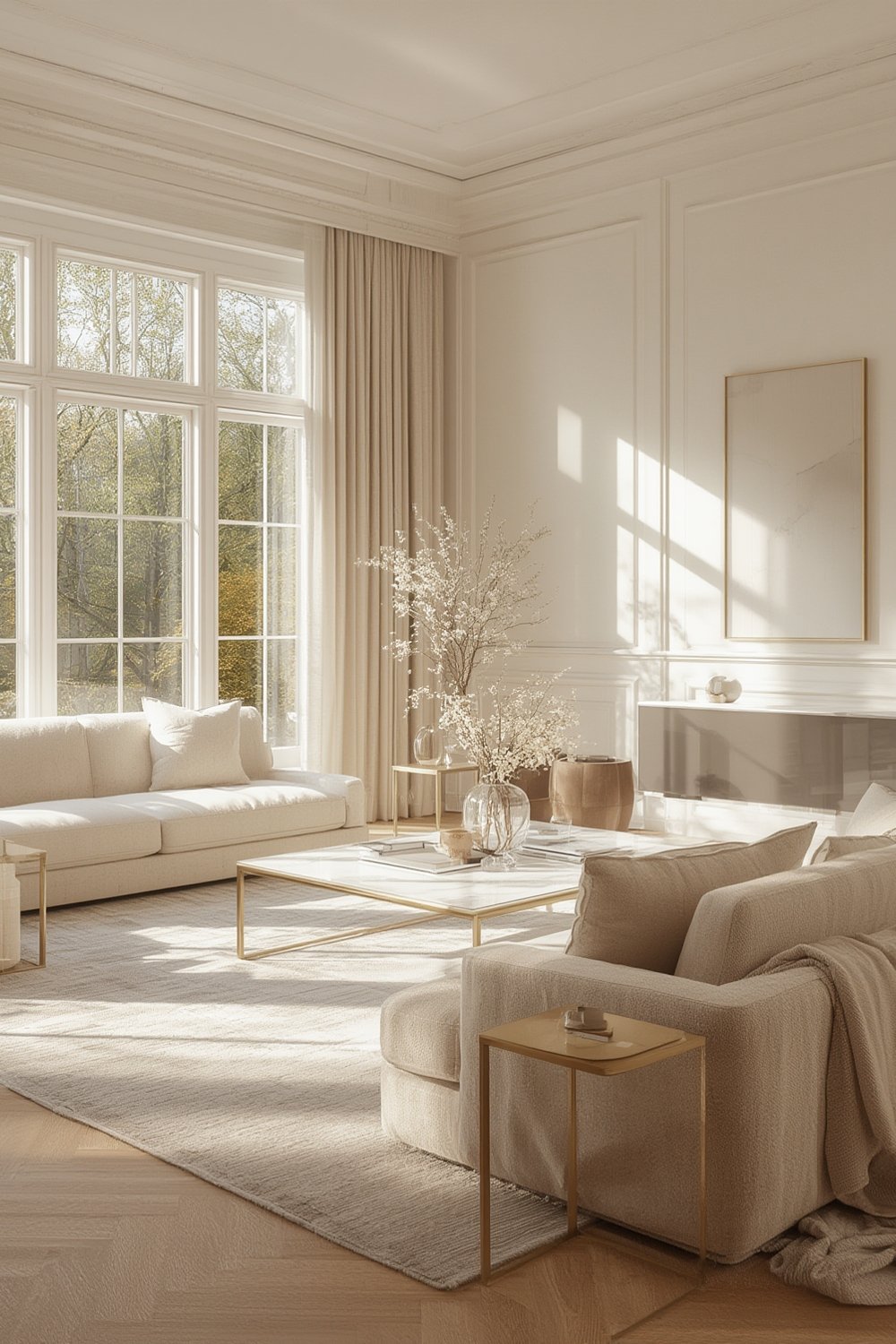
While major surveys from groups like NAR, Zillow, or Houzz do not track “quiet luxury” as its own homebuyer category, designer commentary and outlets such as Studio Steidley and Penny Hoarder agree it is one of 2024’s defining aesthetics.
The style is about:
- Calm, neutral or muted color palettes
- Organic, high-quality materials (linen, wool, wood, marble)
- Minimal, meaningful decor with breathing room
- Understated hardware and craftsmanship details
Unlike flashier trends, quiet luxury signals timelessness, comfort, and refined living that can boost perceived value and create a restorative home environment.
How To Achieve Quiet Luxury Home Decor: Step-by-Step
- Edit, Declutter, and Create Negative Space
Remove any trend-heavy or “bling” accessories. Pare back small decor clutter. Allow for breathing room—every piece you keep should feel considered. - Start with Color and Materials
Build from neutral and muted tones: creams, taupes, warm grays, sage, or navy accents. Opt for tactile and natural materials—think linen curtains, cashmere throws, and real wood. - Upgrade Key Architectural Touches
If possible, quietly upgrade doors, baseboards, or hardware. Subtle changes like a solid wood coffee table or brass cabinet pulls can transform the atmosphere. - Invest Where It Shows—Save Where It Doesn’t
Splurge on a quality sofa, a natural fiber rug, or statement lighting. Shop smart for simple side tables, prints, or thrifted accessories. - Layer Lighting for Warmth and Calm
Limit harsh overheads; instead, add warm-toned lamps and dimmable fixtures. This softens the room, highlighting materials and textures. - Add Rich Textures, Not Busy Patterns
Choose nubby, woven pillows or velvet sofa. Keep patterns restrained and let texture do the visual work. - Prioritize Tactile and Acoustic Comfort
Soft textile layers absorb sound and invite touch. Heavy curtains or layered rugs quiet the space—going beyond mere looks. - Curate, Edit, Repeat
Periodically review the space. Quiet luxury is about what you leave out as much as what you display.
When in doubt, spend your core budget on a single, high-touch item—like a wool area rug or a velvet sofa—instead of scattering funds on many small accessories. This anchors the room and instantly elevates the rest.
Search for “quiet luxury” material offcuts or remnants (e.g., marble tiles, fabric remnants) at local stone yards or upholstery shops. You can use these for side tables, trays, or upholstery without full retail pricing.
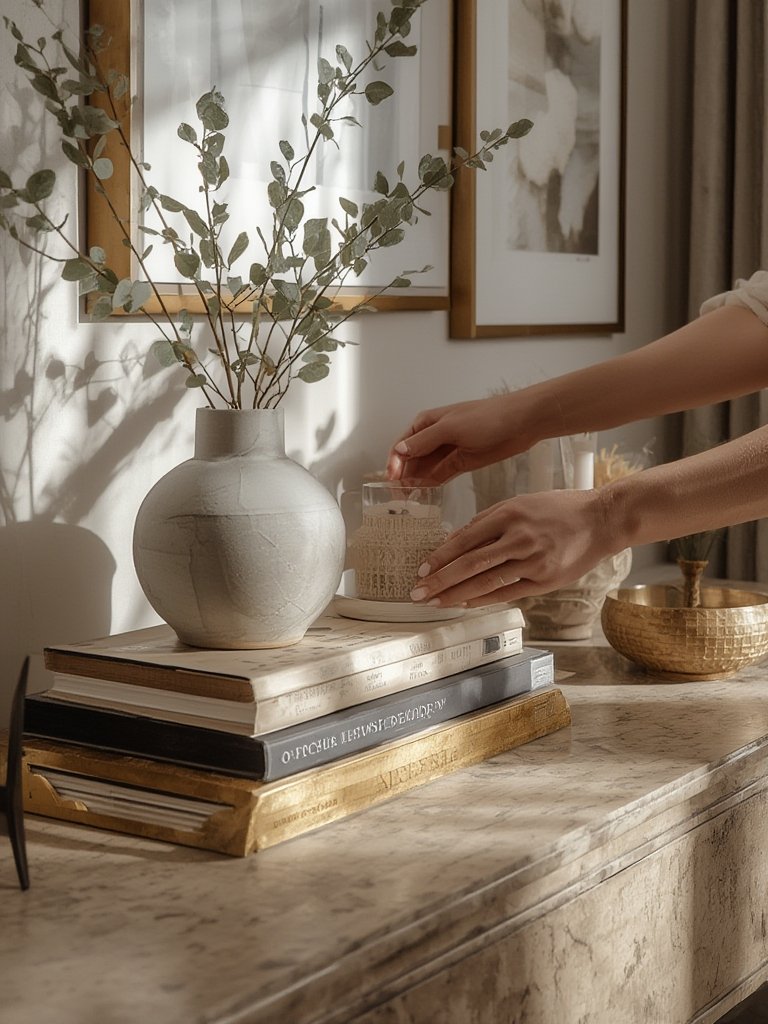
If you want more detailed ideas for specific pieces and layouts, see our breakdown on burl wood furniture buying or explore unique candle placements from our pillar candle centerpiece ideas guide for subtle finishing touches.
Advanced Analysis & Common Pitfalls
What Usually Goes Wrong—And Why
Even with best intentions, many aspiring quiet luxury rooms end up looking basic or even cheap. Why?
- Using synthetic, plastic-based materials (laminate flooring, polyester throws) that immediately lower the look and wear out quickly. See example here.
- Going overboard with accessories or following trending colors and prints—these clutter the room and clash with timeless luxury’s essence.
- Neglecting lighting quality. Harsh, single-source overhead lighting flattens even thoughtfully designed spaces.
- Choosing cheap, glossy metallics or logo-driven items over real craftsmanship and subtle metal finishes.
| Misstep | Why It Hurts the Look | How To Fix |
|---|---|---|
| Too Many Trendy Pieces | Visually dated & crowded | Edit accessories, add negative space |
| Synthetic Fabrics & Furniture | Read as “cheap,” don’t age well | Swap for linen, wool, real wood (even as accents) |
| Poor Lighting | Rooms look harsh or dingy | Layer lamps, use warm bulbs, highlight textures |
| Ignoring Architectural Touches | Missed opportunity for subtle luxury | Upgrade hardware, trim, solid doors as budget allows |
Budgeting: Where to Splurge, Where to Save
Most guides agree: splurge on anchor items (sofa, rug, signature lighting). Save on occasional tables, prints, and some accessories. Many homeowners worry about exceeding their budget, but expert roundups suggest that secondhand finds, yard sales, and focused upgrades can deliver real savings without undermining the quiet luxury feel.
For more budget renovation strategies, check our full DIY home renovation budget guide.
Is Quiet Luxury Home Decor Worth the Investment?
There’s no robust published case study linking a quiet luxury living room makeover directly to resale value or occupant well-being. However, real estate analyses do support that neutral, move-in ready, high-quality finishes appeal to buyers and may aid value retention. Well-being claims are mostly descriptive: quiet luxury spaces reduce visual noise and create calm—something supported in broader wellness design studies and in our biophilic design elements guide. But expectations should remain practical: style alone will not guarantee a financial windfall.
Conclusion
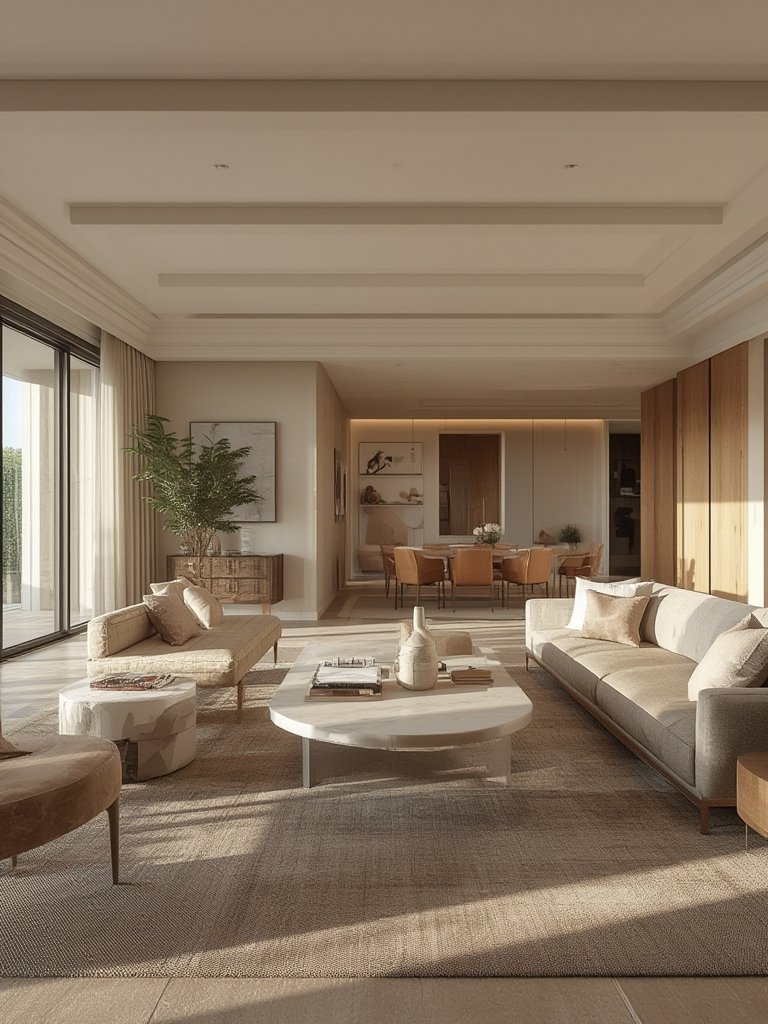
Quiet luxury home decor is not about following every fleeting trend or buying designer labels. It’s a careful curation of quality, subtlety, and comfort that can be tailored to almost any budget by focusing on materials, lighting, and edit. Focus on what you truly love—and leave space for it to breathe.
Ready to transform your own space—one detail at a time? For related inspiration, explore our popular moody home decor transformation ideas or learn how to style thrifted kitchens for unique looks.
Don’t ignore the power of quiet luxury home decor—a few focused changes can truly elevate your daily life. Start with just one step from the guide above and enjoy the impact.
FAQ
Is quiet luxury home decor just minimalism with neutrals?
No. While both emphasize simplicity, quiet luxury home decor is defined by subtle richness—textures, craftsmanship, and editing—rather than bare minimalism. It’s less about scarcity and more about curated quality.
Can you achieve quiet luxury on a tight budget?
Yes—with smart editing, thrift shopping, and focusing your spend on a single anchor item. See the hacks above for cost-saving strategies that deliver impact.
What are the most common mistakes in quiet luxury living rooms?
Common issues include choosing synthetic or shiny materials, adding too many decor items, and using harsh overhead lights. Prioritize material quality, space, and layered lighting.
Will quiet luxury home decor increase my home’s resale value?
There’s no controlled study isolating “quiet luxury” as a value booster. But neutral palettes, move-in-ready finishes, and quality materials are valued by real estate buyers, which can indirectly help with appeal and offers.
What materials and colors define quiet luxury?
Linen, wool, real wood, marble, and brass hardware, plus whites, creams, taupes, muted grays, navy, and soft greens. Keep patterns minimal—textures are more important.