

Walking pad popularity is surging in 2026, thanks to remote work and the need for compact fitness equipment that actually fits small apartments. But before you buy, it pays to know the real pros, cons, and buying strategies—especially if you’re tight on living space and hoping to avoid a pricey letdown.
Key Takeaways
- The global walking pad market is expected to grow from $132.6M in 2024 to $207.9M by 2034, driven by the compact fitness trend and remote work habits.
- Actual durability data, maintenance tips, and long-term health effects of walking pads are almost never addressed in leading articles—these remain practical blind spots.
- High-quality walking pads for small apartments cost $100–$2,000+; specifics on noise levels, maintenance, and safety features are rarely transparent, so savvy buyers must dig deeper.
- What Is a Walking Pad? Why They’re Trending for Small Apartments
- How to Choose, Set Up, and Use a Walking Pad in a Small Space: Step-by-Step
- Real-World Lessons: Common Pitfalls, Limitations, and Model Comparisons
- Conclusion & Next Steps
- FAQ: Walking Pads for Apartments, Maintenance, and Health
What Is a Walking Pad? Why They’re Trending for Small Apartments
A walking pad is a low-profile treadmill designed primarily for walking—often foldable, slim enough to slide under couches, and free of bulky handrails. Unlike traditional treadmills, walking pads offer a simple way to increase daily activity in places where space is scarce, such as apartments or small rooms. With remote work spiking and apartment sizes shrinking, demand for space-saving, low-impact cardio solutions has never been higher.
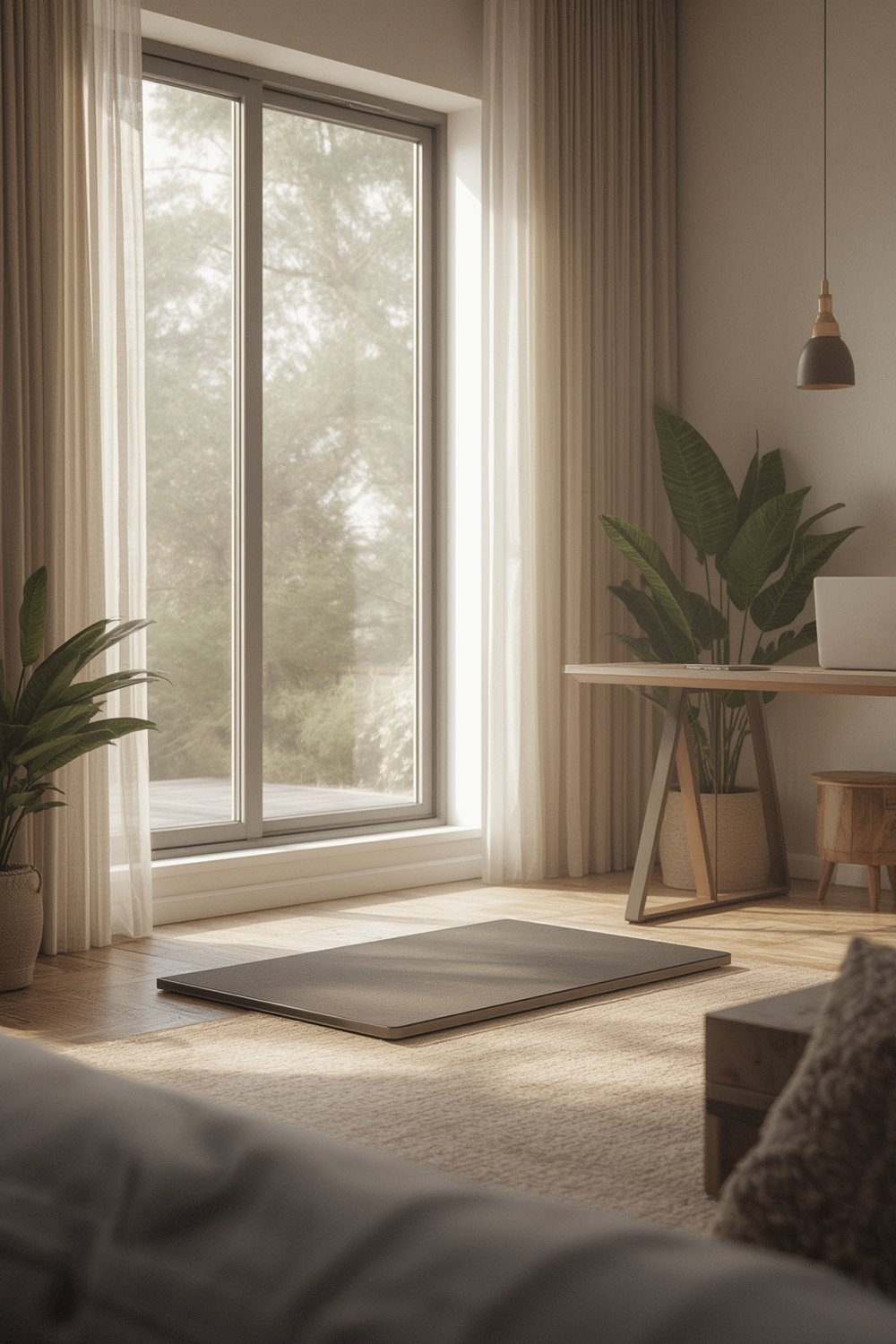
According to recent market research, the global walking pad sector is booming—a projected 4.6% annual growth rate through 2034 signals strong, sustained interest. Much of this demand comes from North American and European residents who want the health benefits of movement without giving up precious floor space. Models are mostly sold online on platforms like Amazon, and the “best” claim often centers on compactness, smart tech integration, and residential suitability.
The appeal is obvious: you can walk while you work, watch TV, or even meditate—no expensive gym membership needed. But are walking pads truly the stress-free, plug-and-play solution for apartment dwellers, or do buyers need to read between the lines? This guide dives into the reality, busting myths and spotlighting what manufacturers (and many review sites) don’t say.
For more inspiration on optimizing small living, check out our Small Apartment Aesthetic guide after you finish here.
How to Choose, Set Up, and Use a Walking Pad in a Small Space: Step-by-Step
- Measure Your Available Space
Use a tape measure to check the footprint for where you’ll use (and store) the walking pad, factoring in clearance for ventilation, walking stride, and cord placement. Many walking pads are 48–57″ long and 21–27″ wide, but this varies. Read listings carefully. - Set Priorities: Portability, Noise, and Safety
If you live in a small or upper-floor apartment, focus on quiet motors (look for advertised “low noise” or “brushless” motors, though actual decibel data is scarce). Foldable or roll-away models make storage practical. Double-check listed weight if you’ll lift it often. - Check Return Policies and Maintenance Ease
Since durability and user complaints are underreported, prioritize models with clear return policies and support. Avoid “no-name” sellers with little after-sale help. - Unbox, Assemble (if needed), and Place Matting
Many walking pads arrive ready-to-use, but some need quick assembly. Use a mat underneath to protect floors and control noise. - Set Up Controls and Safety Features
Learn how to start, change speed, and stop—especially any remote-control or safety key options. If you have kids or pets, use built-in child locks or place the unit out of easy reach. - Integrate with Routine—But Start Slow
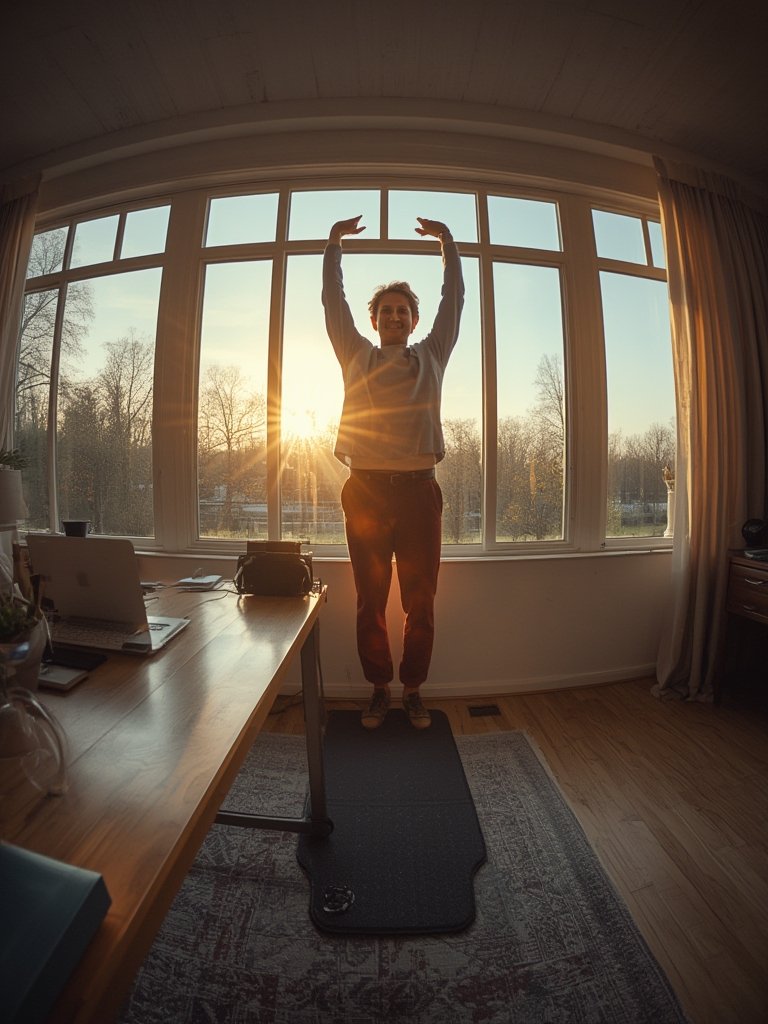
Begin with short, low-speed sessions to get used to balance and noise levels. Gradually work up to 30–60 minutes a day. If your pad fits under a standing desk, make sure desk height is adjustable so you’re not hunched. - Ongoing Maintenance
Wipe sweat and dust after use. Vacuum under the pad regularly to avoid gunk buildup. Lubricate the belt as recommended (often every few months for light use). Store it upright or under a couch/bed as needed.
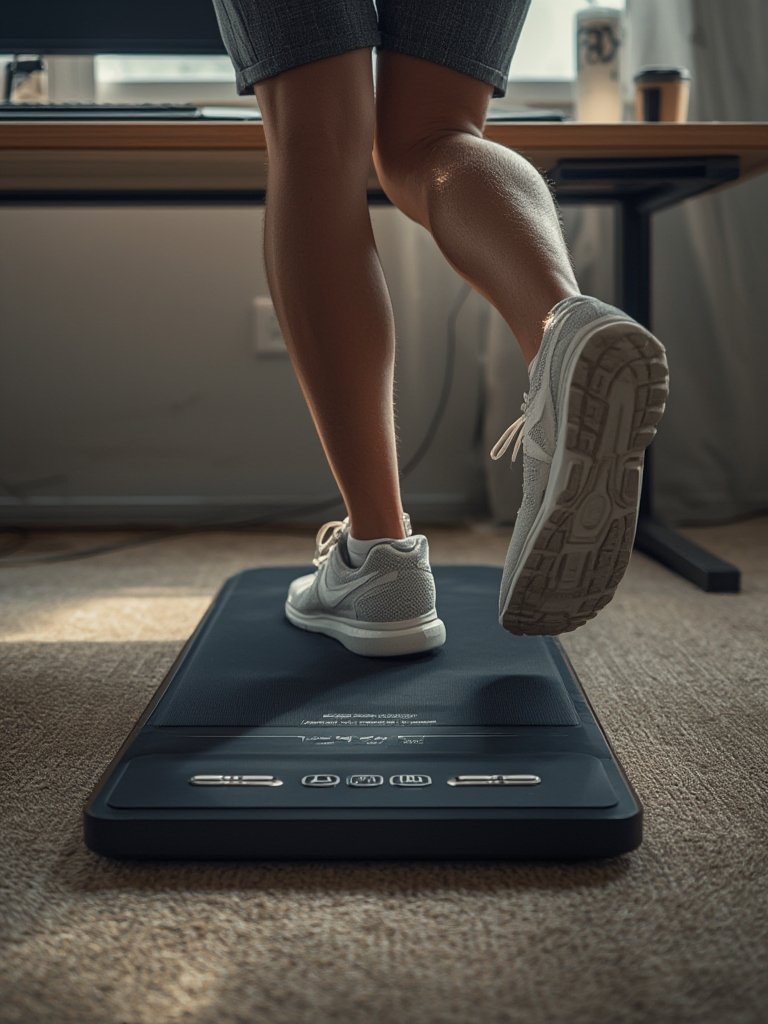
For health-focused users: at a moderate pace of 1.5 mph, experts estimate you’ll burn roughly 200 calories per hour.[source] But benefits go beyond calories—continuous, low-impact movement may help counteract the negative effects of prolonged sitting. If you want more tricks for efficient home wellness, our Spa Bathroom Design Guide and Home Strength Training comparison are must-reads.
Remember: electricity costs are negligible for most users, but exact watt draws and maintenance costs aren’t widely published. Choose models that advertise “energy-efficient” operation, but expect to rely mostly on real-world reviews and direct manufacturer guidance for details.
Real-World Lessons: Common Pitfalls, Limitations, and Model Comparisons
Though many walking pad reviews focus on the positives—compact size, effortless storage, and improved health—not all pads deliver on these promises in real apartments. Here’s what the market research, and user silence, actually reveals:
- Lack of Long-Term Durability Data
No major reports include failure rates or years-to-breakdown. If longevity matters, stick with brands that have customer support and follow up with user forums for red flags. - Noisy in Practice?
While many models claim “quiet operation,” manufacturers rarely disclose actual noise levels in decibels. If you’re in a building with thin walls or floors, even small vibrations could bother neighbors—especially at higher speeds. - Compactness Trade-Offs
The slimmest walking pads (no handrails, foldable designs) can save space but may feel less stable, especially for heavier users or those with balance concerns. - Maintenance Neglect
Most articles and brands skip over cleaning, lubrication, and belt adjustment in small spaces. Regular attention is necessary to prevent dust, noise, and wear. - Inconsistent Safety Features
Safety is critically underexplained: only some models offer auto-pause/stop, speed-limiters, or child locks. There’s little third-party comparison data.
For deeper home safety integration, see our Smart Home Security System tips. - No Data on Energy or Maintenance Cost
Most pads are energy-efficient, but specifics are never listed. Factor this into total cost if your utility bills are tight.
| Feature/Factor | Top-Tier Pads | Budget Pads |
|---|---|---|
| Cost Range (USD) | $800–$2,000+ | $100–$400 |
| Folding/Storage | Yes, often fold fully flat | Yes, but build may feel flimsier |
| Safety Features | May include auto-pause, remote, emergency shutoff | May lack advanced safeguards |
| Noise/Decibel Disclosure | Typically “quiet,” but no exact data | Rarely disclosed, check reviews for complaints |
| Warranty & Support | Reputable; clear returns/warranty | Variable, sometimes minimal |
Nearly all top competitor blogs miss these practical realities. That’s why it’s worth cross-checking real user reviews, and considering adjacent guides on topics like wet room installation and modular sofas for apartments—the overlap in space management is surprising and helpful.
Conclusion & Next Steps
When you shop for a walking pad for your small apartment, it pays to dig deeper than flashy product claims. Prioritize quiet operation, easy storage, and return-friendly brands, but also plan for regular cleaning and check for hidden safety or stability trade-offs. Real-world research beats hype every time.
If healthy, efficient apartment living matters to you, consider reading our Biophilic Design guide and Best Non-Toxic Candles review for more wellness upgrades. Ready to boost your step count—with minimal clutter and maximum results? Start comparing models and make movement part of your home routine today.
FAQ: Walking Pads for Apartments, Maintenance, and Health
Are walking pads actually safe to use indoors, especially in apartments?
Most walking pads are designed for indoor residential use, featuring non-skid bases and modest speeds. However, always check for built-in safety features like auto-stop and child lock if you have pets or children. Use a mat to prevent slipping or noise transfer.
How noisy are walking pads? Will my neighbors notice?
Manufacturers claim “quiet operation” but almost never publish actual decibel levels. User reviews suggest walking pads are quieter than running treadmills, but some floor vibration and humming may still be noticeable—especially in upstairs apartments. Adding a thick rug or mat helps reduce impact noise.
How much maintenance does a walking pad require in a small apartment?
Basic upkeep includes wiping sweat, vacuuming under/around the unit, and lubricating the belt every few months as per the manual. In tight spaces, regular maintenance prevents dust buildup and ensures smooth, quieter operation. Store upright or under furniture to maximize living space.
Will using a walking pad help with weight loss or health?
At moderate speeds (1.5 mph), you may burn about 200 calories per hour. More importantly, sustained low-level movement supports circulation and can help offset sedentary habits common with remote work. Peer-reviewed studies are limited, but expert consensus supports the health benefits of active time at home.
What’s missing from most walking pad reviews and articles?
Few sources offer real durability data, specifics on ongoing maintenance and noise in apartments, or clear comparison of safety features. It’s best to combine product research with direct user feedback and warranty policies when shopping.