

Slab marble backsplash has become a leading trend for homeowners seeking to add instant elegance and high impact to luxury kitchens. Unlike traditional tiles, marble slabs create a seamless, sophisticated look—but getting it right requires precise planning, budget awareness, and realistic expectations.
Key Takeaways
- Slab marble backsplashes offer dramatic aesthetics and fewer grout lines but require heavy upfront investment and careful installation.
- 2026 trends favor bold marble colors and full-height installations—however, detailed maintenance and structural requirements remain largely underreported.
- Most articles focus on looks, not technical challenges. Homeowners should plan for sealing, weight, and proper cleaning to avoid costly surprises.
- What Is a Slab Marble Backsplash and Why Choose It?
- How to Install a Slab Marble Backsplash: Step-by-Step Guide
- Advanced Analysis & Common Pitfalls
- Conclusion
- Frequently Asked Questions
What Is a Slab Marble Backsplash and Why Choose It?
A slab marble backsplash uses a single piece of marble cut to fit the backsplash area, as opposed to traditional small tiles or mosaics. This one-piece approach eliminates grout lines, showcases the marble’s natural veining, and creates a continuous, upscale appearance. In 2024, 30% of design professionals identify stone slab backsplashes—particularly marble—as the year’s most important kitchen trend.
This trend is driven by several benefits:
- Seamless Look: No visible grout lines for a cleaner, more luxurious surface.
- High Visual Impact: Unique veining patterns act as natural artwork, especially in statement colors like charcoal, onyx, gold, and classic white [source].
- Easy to Clean: Large slab surfaces reduce places for grime and grease to collect (although they do still require proper sealing and care).
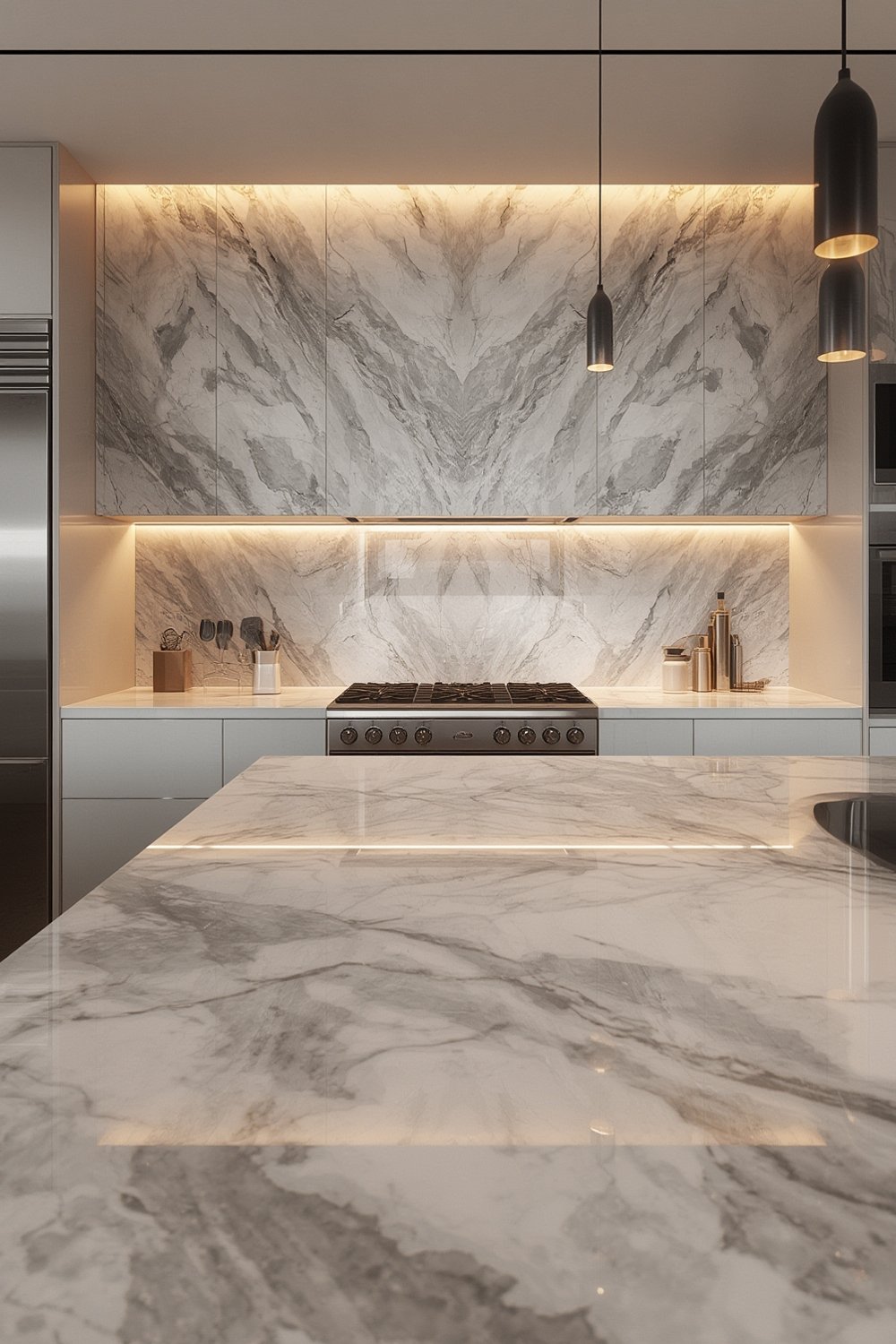
Full-height installations covering the wall up to the ceiling are in demand, turning practical kitchen surfaces into showstopping focal points [source]. Herringbone and mosaic options also offer ways to personalize your project.
Still, slab marble comes at a premium price. Industry data show installed costs typically range from $20 to $50 per square foot, sometimes more for rare or bookmatched stones [source]. Choices like gold kitchen hardware or burl wood kitchen cabinetry can further enhance this bold backdrop when coordinating a whole-room update.
How to Install a Slab Marble Backsplash: Step-by-Step Guide
Installing a slab marble backsplash is a project best left to professionals. However, understanding the main steps will help you budget realistically and avoid surprises.
- Measure and Template: Accurately measure your backsplash area. Professionals will make a template, accounting for cutouts, outlets, and any fixtures.
- Select Your Marble Slab: Visit a slab yard in person, if possible. Look for color, veining, and possible flaws that could affect cutting and installation.
- Prepare the Wall: The existing wall must be strong, completely flat, and able to bear the weight. Sometimes, extra reinforcement or wallboard is added behind the slab.
- Templating and Slab Cutting: The fabricator uses your template to cut the slab. Discuss details like edge profiles and any features (such as a ledge or shelf) at this stage.
- Dry Fit: Lay out the slab on site to check fit before gluing. Accurate placement is critical; minor adjustments may require delicate handling and specialty tools.
- Install and Secure: The slab is attached to the wall using a high-strength adhesive. Joints (where two slabs meet) are minimized or matched for veining continuity. Seams are filled and edges are finished per your design choice.
- Sealing and Final Cleanup: Marble is porous; an appropriate sealer is applied to improve stain resistance. The installer should advise on care, but plan for routine resealed annually.
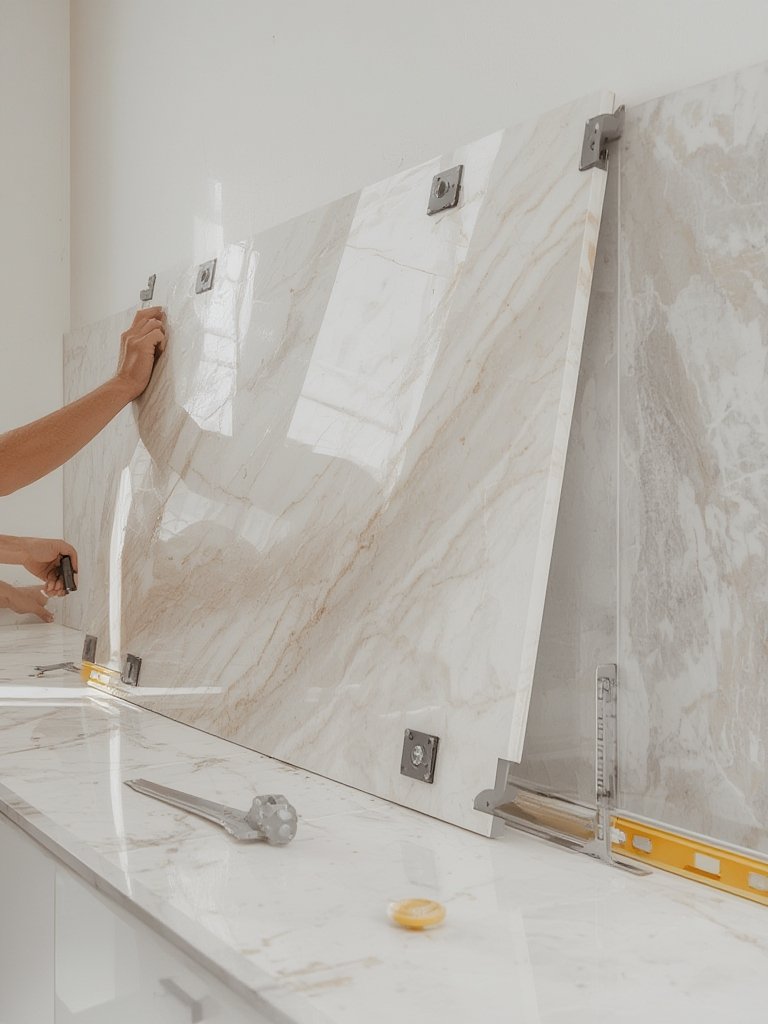
Looking to maximize visual drama? Extend your slab backsplash up to the ceiling, or run it behind open shelving as seen in many moody home decor and quiet luxury home makeovers. This approach can also reduce cleaning since fewer wall surfaces are exposed above the cooktop.
Budget-conscious DIYers attracted to marble’s luxurious appearance sometimes consider alternative approaches—such as marble-look porcelain slabs—or refresh existing spaces with cost-effective upgrades found in this DIY home renovation budget guide.
Advanced Analysis & Common Pitfalls
Though the aesthetic appeal of slab marble backsplashes is obvious, it’s critical to understand the most common issues and overlooked realities:
- Heavy Material Requires Support: Marble slabs are heavy. Standard drywall may need reinforcement, especially for full-height installations.
- Delicate Edges & Chipping: Cutting outlets or faucet holes into a single piece of stone risks cracks. Professional handling is essential.
- Lack of Maintenance Details: Most design articles skip over sealing frequency. Marble backsplashes must be resealed, often annually, to prevent stains from oil, wine, and acidic foods.
- Installation Risks: Large slabs can be damaged during transport or installation—including breakage or mis-cutting. Have a clear contract for replacements.
- Limited Homeowner Feedback: There is currently little reliable published data on long-term durability or owner complaints—most sources highlight positive expectations.
- Environmental Impact Unknowns: If sustainability matters to you, note that few sources discuss ethical quarrying, carbon footprint, or recycled marble options.
| Attribute | Slab Marble Backsplash | Tile Backsplash |
|---|---|---|
| Visual Impact | Seamless, bold statement. Unique veining. | Patterned, textured. More joints and grout lines. |
| Upfront Cost (2025) | $20–$50+ per sq ft (plus fabrication/labor) | $8–$40 per sq ft (varies by material) |
| Installation Timeline | Requires templating and custom cutting. Usually 1-2 weeks from measurement to install. | Quicker install, especially for small jobs. More DIY friendly. |
| Maintenance | Must seal annually. Avoid acidic cleaners. | Similar for marble tile. More grout lines mean more cleaning. |
| Customization | Expansive coverage, bookmatching available, fewer edges. | Flexible patterns. Easier for niches and shelves. |
For more technical home improvement guidance, see related guides on spa bathroom design or wet room installations—these projects often face similar structural, sealing, and waterproofing issues as stone backsplashes do.
Conclusion
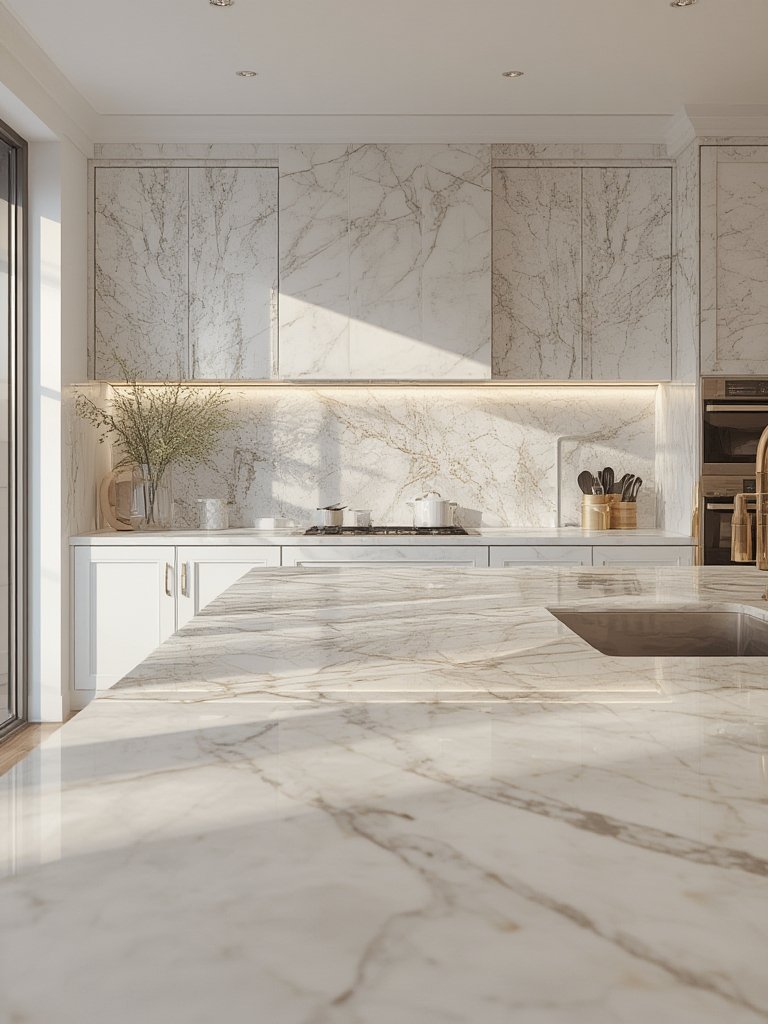
While a slab marble backsplash delivers unmatched sophistication and trend value in luxury kitchens, it comes with notable costs and some technical blind spots in the popular press. Always choose an experienced installer, invest in proper preparation and sealing, and budget for the long-term. For further kitchen styling inspiration, check out our tips on European kitchen aesthetics and candle centerpiece ideas.
Thinking about upgrading your space? Explore showroom slabs in person and ask detailed questions to ensure your slab marble backsplash remains a beautiful focal point for years. Ready to make your kitchen stand out? Start your project planning today.
Frequently Asked Questions
How much does a slab marble backsplash cost in 2026?
The material and installation cost of a slab marble backsplash typically ranges from $20 to $50 per square foot, but rare or custom slabs may cost more. Factor in fabrication and labor for a realistic total budget. (source)
How often does a marble backsplash need to be sealed?
Most marble slabs should be sealed at installation, then resealed annually or as recommended by the sealer manufacturer. High-use kitchens or splatter-prone areas may need more frequent attention.
Can I install a slab marble backsplash myself?
DIY installation of a slab marble backsplash is not recommended due to the material’s weight, risk of damage, and the need for precise templating and cutting. Professional installation ensures proper support and a seamless look.
What are the most popular marble colors for backsplashes in 2026?
Charcoal, onyx, and gold marbles have gained popularity for bold designs, while classic white marble remains a perennial favorite. More homeowners are exploring diverse hues and dramatic veining.
Is a slab marble backsplash prone to staining or etching?
Yes, marble is porous and vulnerable to acid etching from citrus, vinegar, and some cleaners. Proper sealing reduces staining risk. Always wipe spills promptly and avoid harsh chemicals.