

Non toxic air fryer is now a hot topic for health-focused kitchens, with more people worried about PFAS (“forever chemicals”) and other synthetic compounds in standard air fryers. But are “non toxic” air fryers actually safer, and how do you avoid common mistakes when trying to make the switch? This guide delivers realistic answers, not empty hype.
Key Takeaways
- Most air fryers on the US market still use PFAS-based non-stick coatings, with unclear risk levels and little model-specific data available.
- “Non toxic” air fryers may use ceramic or other coatings, but alternative chemicals and reduced durability can introduce their own concerns.
- To truly reduce risks, users should look for plain stainless steel baskets, demand documentation, and understand practical tradeoffs in everyday cooking and cleaning.
- Understanding Non Toxic Air Fryers: What & Why
- How to Choose and Use a Non Toxic Air Fryer (Actionable Guide)
- Advanced Analysis & Common Pitfalls: What Most Guides Miss
- Conclusion: Are Non Toxic Air Fryers Worth It?
- FAQ: Non Toxic Air Fryers
Understanding Non Toxic Air Fryers: What & Why
A non toxic air fryer aims to reduce or eliminate potential health risks from traditional non-stick coatings (like PTFE/Teflon) that can contain PFAS and other forever chemicals. The main concern comes from evidence linking various PFAS compounds—still present in many air fryer baskets and trays—to increased cancer, hormone disruption, and reproductive harm. Recent research confirms these dangers, but there is little brand transparency and almost no government-mandated chemical disclosure on air fryers sold in the US.
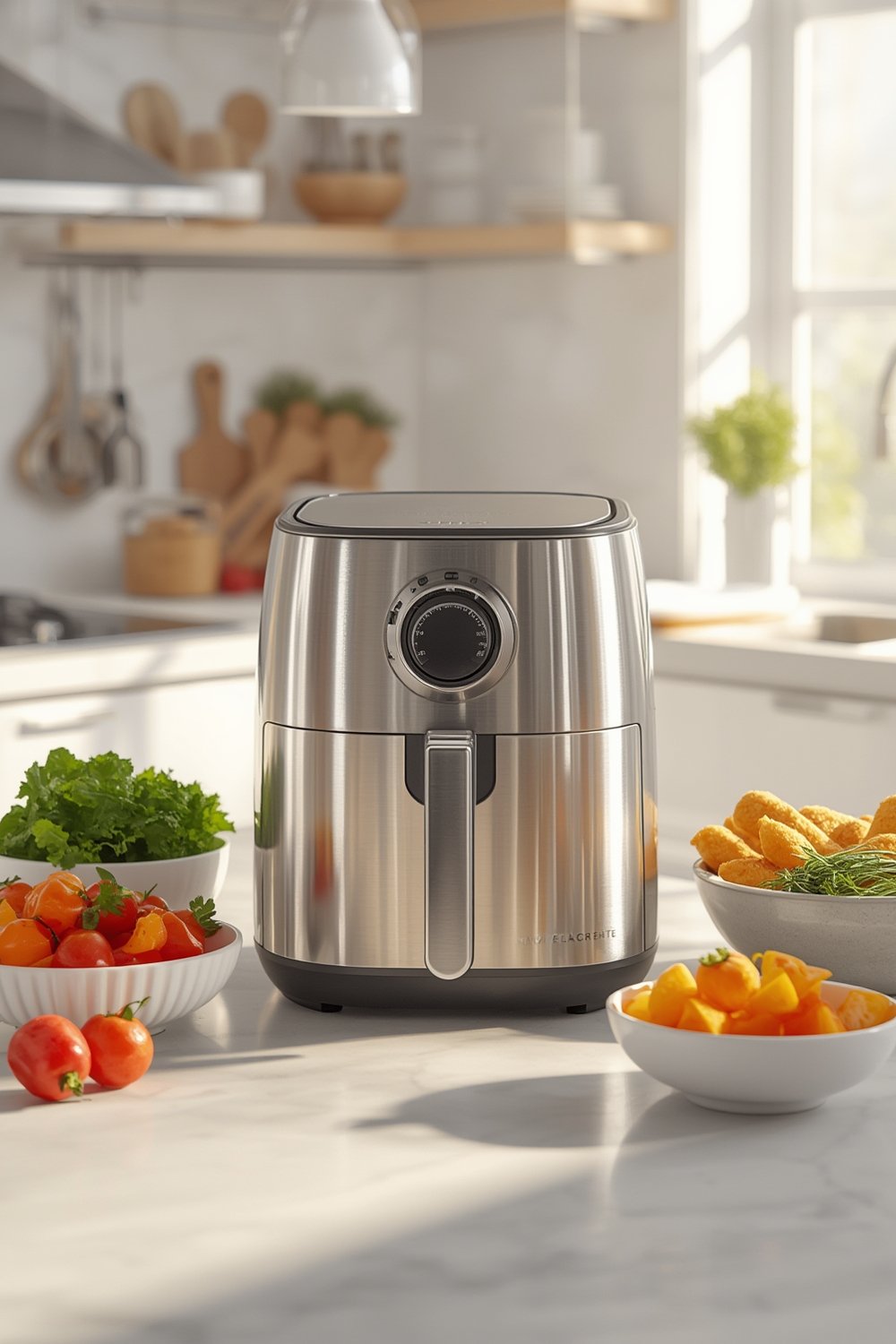
Many widely sold “non toxic” air fryers use ceramic or titanium-based coatings instead of traditional PTFE, since these are usually marketed as PFAS-free. Yet, research finds gaps in safety data for these alternatives as well. Some “stainless steel” models simply use a steel basket but may still include coated heating elements or inner trays. In essence: Buying a safer air fryer is not just about searching for a product keyword—demanding better documentation and understanding what really matters is critical.
For a broader healthy home approach, explore non-toxic candles and biophilic design elements as additional strategies for lowering unsafe chemical exposure indoors.
How to Choose and Use a Non Toxic Air Fryer (Actionable Guide)
- Decide what risk matters most: Are you focused mainly on PFAS, on all synthetic coatings, or also on nanomaterial concerns?
- If your primary worry is PFAS, look for “PFAS-free” labeling and contact brands for written chemical disclosure.
- For zero synthetics, prioritize uncoated stainless steel baskets, even if cleanup and sticking may be harder.
- Only trust documentation, not marketing: Ignore “non toxic” or “safe ceramic” promises unless the company provides test results or documentation. No unified US certification currently exists—request third-party PFAS-free or chemical analysis whenever possible.
- Inspect product construction: Many “PFAS-free” air fryers use a steel basket but still have non-stick coatings on the tray, handle, or rack. Ask about every surface that touches food or withstands high heat. If possible, view disassembled photos or videos.
- Weigh performance tradeoffs: Stainless steel air fryers without coatings are much harder to clean and may require seasoning. Ceramic or titanium alternatives may chip, discolor, or lose “non-stick” behavior faster.
- Prioritize brands that offer longer warranties: Lack of durability is a major weakness of many “alternative” coatings; make sure you can return or exchange if performance declines quickly.
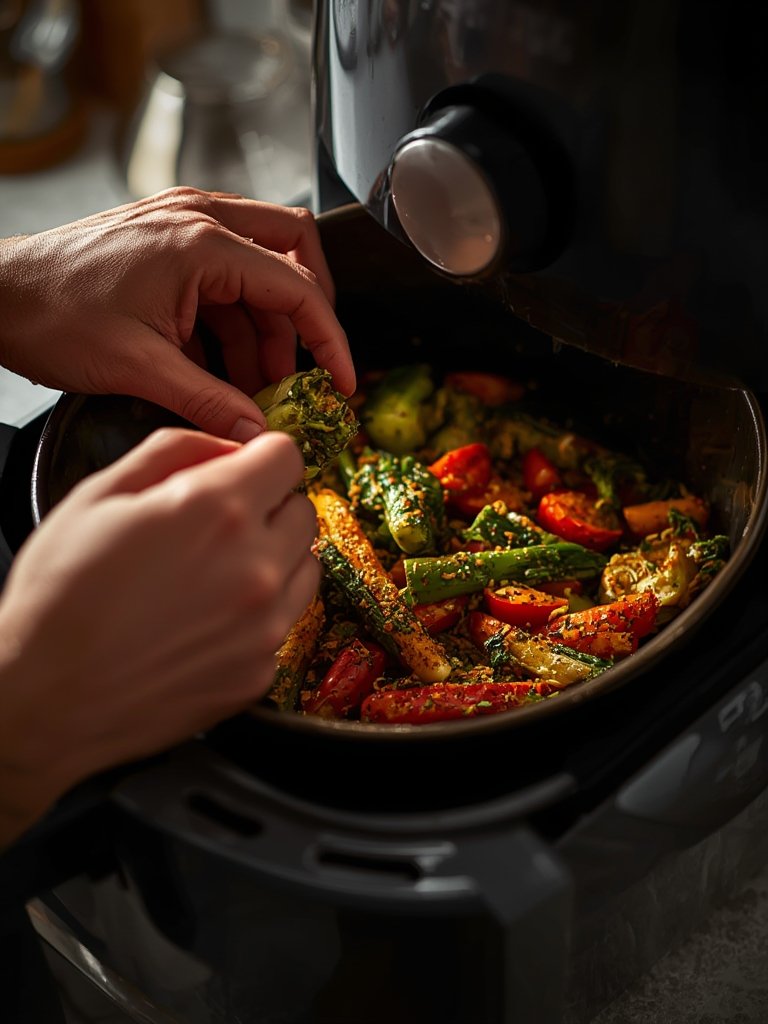
- Always double-check before the first use: Many units ship with a factory coating or oil—clean thoroughly, then operate empty at recommended max temp to off-gas any manufacturing residue safely.
Looking to make other wellness upgrades in your kitchen space? Check out these trending thrifted kitchens styling guide and organic modern kitchen decor upgrades for ideas that align with non toxic living.
Advanced Analysis & Common Pitfalls: What Most Guides Miss
Many articles offering advice on non toxic air fryers oversimplify safety issues and performance concerns. Here are the most realistic, research-backed problems to consider:
- Exposure data on air fryers is lacking: There are still no specific statistics about PFAS levels or migration risk in major air fryer brands. Most discussion is extrapolated from cookware research, even though air fryers operate with circulating, high-temperature air.
- Ceramic and titanium coatings degrade quickly: Despite claims that ceramic is “built to last,” no independent test data supports superior durability compared to traditional PTFE. Users often report chipping, staining, or loss of non-stick properties within one year of use.
- Alternative coatings aren’t necessarily safer: While “PFAS-free” or “PFOA-free” gets top billing, the substitute chemicals in some ceramic or titanium coatings have not been thoroughly vetted for chronic health effects. Many new polymers or additives could also pose health risks over time. Source
- Cleaning and maintenance are more demanding: Stainless steel baskets nearly always require soaking, scrubbing, or seasoning to prevent stuck food. If convenience is your top goal, some trade-off in chemical exposure risk is usually required.
- Price premium for non toxic air fryers: Cookware examples show “safe” options can cost twice as much as standard models. For instance, a PFAS-free ceramic nonstick skillet retails for more than double its traditional counterpart. (source)
- No US standard or certification: You are relying mostly on manufacturer word and occasional third-party testing, as government standards don’t yet exist for air fryer cookware surfaces.
| Feature | PTFE (Teflon/Standard Non-Stick) | Ceramic/Ceramic-Like Coating | Stainless Steel (Uncoated) |
|---|---|---|---|
| PFAS Risk | Very High | Low (if truly PFAS-free) | None |
| Durability | Good (if not overheated) | Often Poor/Moderate (chips/discolors) | High (with proper care) |
| Non-Stick Performance | Excellent | Good at first; declines fast | Poor (oil/seasoning required) |
| Cleaning Required | Minimal | Medium; worsens if coating degrades | High |
| Price | Low/Modest | High | Medium/High |
| Certification Clarity | Rare (usually marketing claims only) | Never universal (request paperwork!) | None needed (but check for other coating parts) |
Want more ideas on creating a safer kitchen and healthy home? Discover inspiring cottagecore kitchen design tips for natural living, and see why so many are upgrading with burl wood kitchen cabinets for timeless, toxin-free style.

Conclusion: Are Non Toxic Air Fryers Worth It?
Non toxic air fryer models can reduce your family’s exposure to PFAS and other uncertain synthetic chemicals, but only if you carefully verify product materials and manage realistic trade-offs. With no standard certification or clear regulation, it is up to you to request documentation and be diligent about ongoing care. Consider your priorities—convenience, cost, or health safety—before you buy. Choose a plain stainless steel basket for maximum peace of mind, or opt for ceramic alternatives only from brands providing transparent third-party analysis. Ready to upgrade your home for wellness? Take the next step and choose your non toxic air fryer with clarity—your kitchen (and your long-term health) will thank you.
FAQ: Non Toxic Air Fryers
What does “non toxic air fryer” really mean?
“Non toxic air fryer” usually means the basket and cooking surfaces claim to be free from PFAS (including PTFE and PFOA) and other hazardous compounds known to migrate at high temperatures. But there’s no official standard or certification for this in the US, so always demand specific documentation from the brand.
Is ceramic coating on air fryers much safer than Teflon?
Ceramic coatings are generally PFAS-free, but the long-term health safety of their alternative chemicals is still under review. They also tend to degrade, discolor, or chip much faster than PTFE-based versions. If possible, choose uncoated stainless steel for zero risk.
Are there any brands that make 100% stainless steel air fryers?
A few brands offer all-metal baskets with no interior coating. However, handles, trays, or racks may still use non stick coatings. Email the manufacturer directly and ask for a list of all materials and components in contact with food.
Is it possible to make an existing air fryer safer?
Yes—line your current basket with unbleached parchment paper or a silicone mat (rated for air fryer temperatures) to reduce direct food contact with coated surfaces. Avoid using metal utensils, and stop using the fryer if the coating scratches or chips.
How do I clean a stainless steel air fryer basket?
Soak it immediately after use in warm, soapy water. Use a gentle brush or non-abrasive pad to remove debris. For stubborn residue, boil a mix of water and baking soda inside the basket, then scrub gently. Season with a thin layer of high-heat oil occasionally to improve stick resistance.