

If you’re wondering how to keep muddy paw prints and wet footprints out of your home, a muddy mat could be the practical solution you need. In this guide, you’ll learn exactly what a muddy mat is, how it works, real maintenance tips, what can go wrong, and expert strategies for getting the most value out of your purchase—without any unnecessary hype.
Key Takeaways
- Muddy mats can absorb up to five times more dirt and moisture than standard doormats, keeping floors cleaner and drier.
- Select the right size and placement for maximum benefit—and follow maintenance routines to extend your muddy mat’s lifespan.
- Most muddy mats are machine washable and dog-resistant, but genuine long-term effectiveness and costs vary across brands.
- What Is a Muddy Mat and Why Should You Use One?
- How to Use a Muddy Mat: Step-by-Step Guide
- Advanced Analysis and Common Pitfalls
- Conclusion
- Frequently Asked Questions
What Is a Muddy Mat and Why Should You Use One?
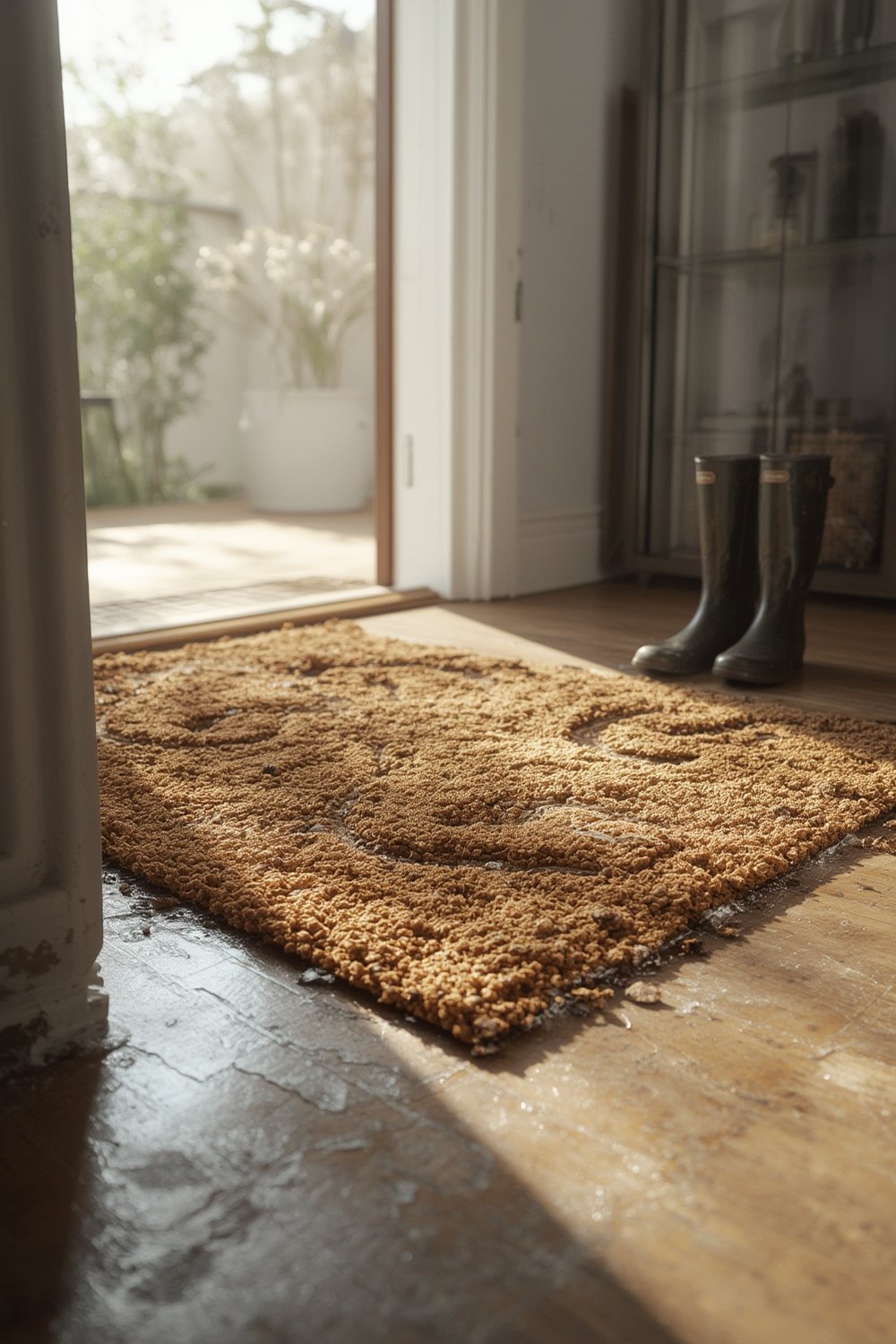
A muddy mat is a highly absorbent floor mat engineered to trap moisture, dirt, mud, pet hair, and grass from shoes and four-legged friends. Unlike basic doormats, these products (such as the Muddy Mat) use advanced microfiber or nano-fiber technology to absorb up to five times more liquid and grime. They’re most popular with dog owners, families, and anyone battling outdoor messes—especially during wet seasons. The right muddy mat can help prevent ruined rugs, stained floors, and hours of cleaning after each walk.
How to Use a Muddy Mat: Step-by-Step Guide
Ready to stop tracking in mud or wet footprints? Here’s a clear, practical process for choosing, installing, and maintaining your muddy mat.
- Choose the Right Size and Thickness
Measure your entryway or target space. Muddy mats come in multiple sizes and thickness options. For larger dogs or double doors, go bigger. Check anti-slip and “bite-resistant” features for extra durability if you have indoor pets. - Place the Mat Strategically
Position the mat directly inside your main entrances for instant dirt capture. If you’re a dog owner, place a mat right outside your back door and another where your pet enters, or outside crate areas. - Train Pets (or Kids!) to Use the Mat
Encourage paws (and shoes) to rub across the mat before entering. Sometimes, dogs need a few “treat trails” to get used to stepping on the new texture. If your dog resists, try gently guiding them or using a game. - Maintain for Maximum Effectiveness
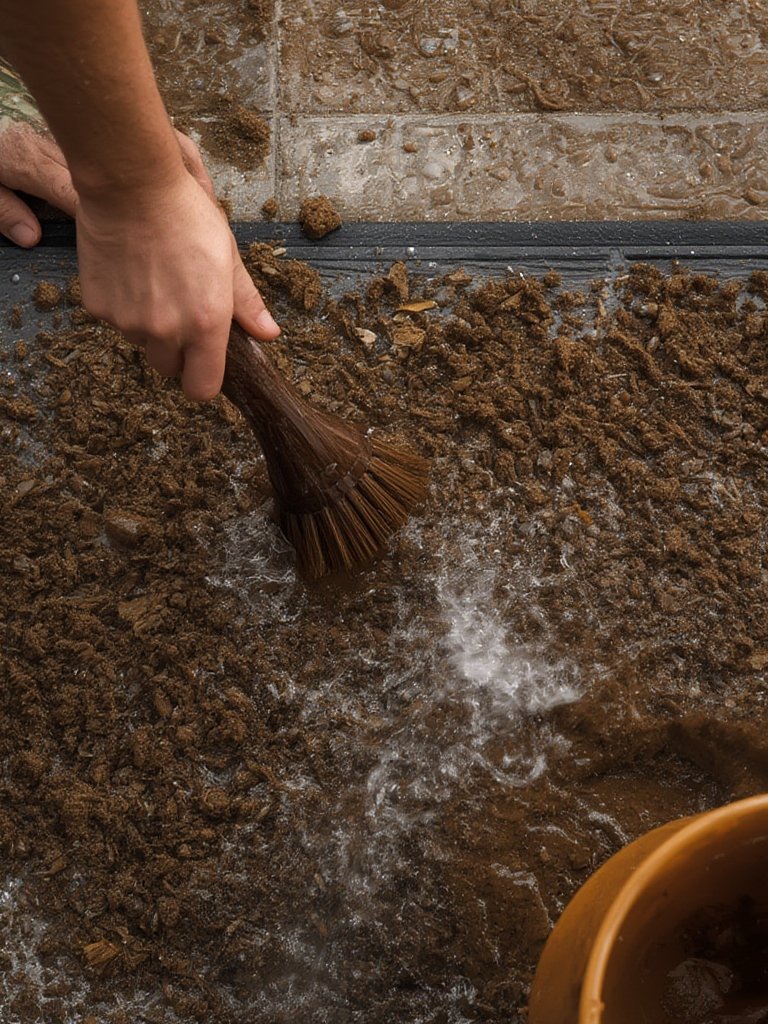
Shake off dry dirt outside regularly. For deep cleaning, toss the muddy mat in the washing machine (cold water, gentle cycle). Always air-dry or, if manufacturer instructions allow, use a low heat tumble dry. Never skip this routine or the mat can lose absorbency and bring odors inside. Wash your muddy mat using an oversized mesh laundry bag for best results. - Monitor for Wear and Replace if Needed
With heavy foot or paw traffic, inspect the mat for thinning or fraying. Most muddy mats should last at least several months—even under multi-pet stress—but plan to replace as soon as you see a drop in moisture absorption.
Want to truly optimize your mud-control setup? Layer muddy mats at wet room entrances or use them as washable liners beneath built-in entryway storage. This multi-zone strategy is popular in smart-entry designs and can even complement other low-maintenance routines like budget DIY home upgrades or biophilic layouts.
Advanced Analysis and Common Pitfalls
While muddy mats are simple in theory, there are a few issues to watch for—plus some important product differences worth understanding before you buy.
Comparing Muddy Mats vs. Standard Doormats
| Feature | Muddy Mat (Nano-Fiber) | Regular Doormat |
|---|---|---|
| Absorption Capacity | Up to 5x more dirt & water [source] |
Minimal; mostly surface-level dirt removal |
| Machine Washable | Yes | Rarely |
| Anti-slip/Backing | non-slip, rubberized backing and bite/scratch resistant | May slip or curl |
| Color/Size Options | Multiple | Limited |
| Average Price Range | N/A (varies by brand) | $10–$30 |
Real-World Pitfalls and Limitations
- Lack of Independent Lab Verification: No muddy mat on the market—Muddy Mat included—currently cites third-party lab tests confirming “super absorbency” or “mud retention” claims. Rely on user reviews and brand transparency for now. [source]
- Limited Coverage Area: Most complaints are about wanting more size or coverage. Mats don’t protect couches or upholstered furniture if your dog bypasses them.
- Needs Consistent Maintenance: If left unwashed, muddy mats can get saturated, lose their absorbency, or develop odors—especially in damp climates or multi-pet households.
- No Pricing Transparency: Few manufacturers provide cost-per-year or clear replacement timelines, making it hard to budget long-term compared to DIY solutions.
- Seasonal Variables: The effectiveness in very wet winters or snowy/icy conditions isn’t widely documented. Salt and heavy mud may require more frequent washing or mat rotation.
- Pet Behavioral Challenges: Some dogs need time to adjust or may avoid the mat altogether. Use positive reinforcement and routines for best results. [source]
- No Universal Sustainability Labels: Most muddy mats do not publish details on recycled content, water usage for washing, or end-of-life recycling options.
Looking for better long-term value or green cleaning routines? Mats pair well with sustainable swaps like plastic-free paper towels or as part of an overall smart home security system for pet-friendly living.
Conclusion
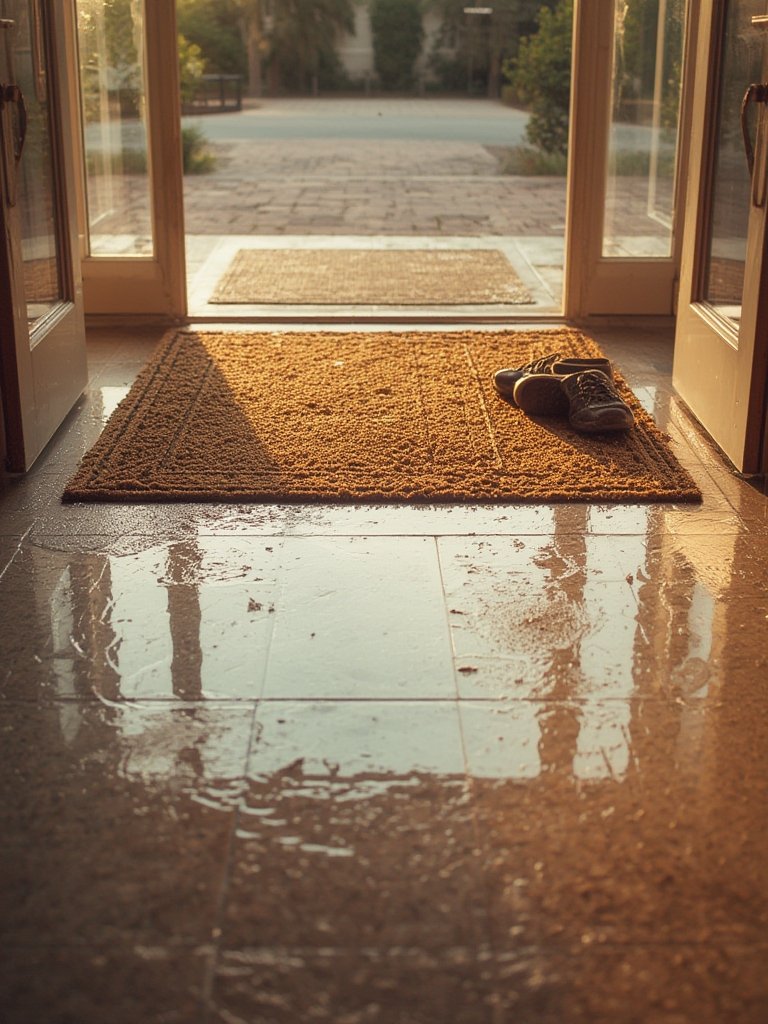
A muddy mat can be a game-changer for busy homes battling paw prints and outdoor dirt. When used properly—placed at key entryways, maintained with regular washing, and sized to match your household’s needs—it can replace hours of cleaning and cut down on floor damage. While independent lab testing and long-term pricing data are still limited, customer reviews support their practical effectiveness across a range of messy situations. To keep your home cleaner and downtime lower, invest in the right muddy mat and refresh it as needed throughout the year. Ready to stop mud at the door? Choose your mat today and experience the difference for yourself.
Frequently Asked Questions
How often should I wash my muddy mat?
Wash your muddy mat every 1–2 weeks in homes with pets or heavy traffic. If it looks dirty, feels heavy, or smells, wash it right away to prevent buildup and maintain absorbency.
Can I use a muddy mat outside?
Most muddy mats are designed for indoor use only. Exposure to constant rain or sun may damage fibers and reduce effectiveness. Place your mat just inside your entry for the best results.
Is a muddy mat safe for all types of floors?
Yes—muddy mats generally include non-slip, rubberized backing that keeps them in place on tile, hardwood, laminate, or vinyl. Always test in one area and watch for any slipping or moisture underneath.
How long will a muddy mat last?
With regular washing and moderate use, expect a muddy mat to last several months to a year. Extremely high-traffic homes or multi-dog households may need replacements more often.
Does a muddy mat trap pet hair as well?
Yes—muddy mats are effective not just for dirt and water, but also for trapping pet hair, sand, and grass before they get tracked into your main living areas.