

Japandi bedroom design blends Japanese and Scandinavian minimalism to create a peaceful, clutter-free sleeping space that promotes calm. This guide goes beyond buzzwords to help you build an authentic, livable Japandi bedroom—step by step, for real homes.
Key Takeaways
- Japandi bedrooms combine Japanese warmth and Scandinavian simplicity for a serene space focused on function and comfort.
- Success depends on balance: natural materials, muted colors, and mindful furniture choices are essential—but beware of overzealous minimalism or impractical layouts.
- Expect unique challenges in small rooms, staying flexible with compact furniture, dual-purpose pieces, and genuine decluttering.
- What Is a Japandi Bedroom? The Core Concept
- Step-by-Step Guide: Creating a Japandi Bedroom
- Advanced Analysis & Common Pitfalls
- Conclusion
- FAQs
What Is a Japandi Bedroom? The Core Concept
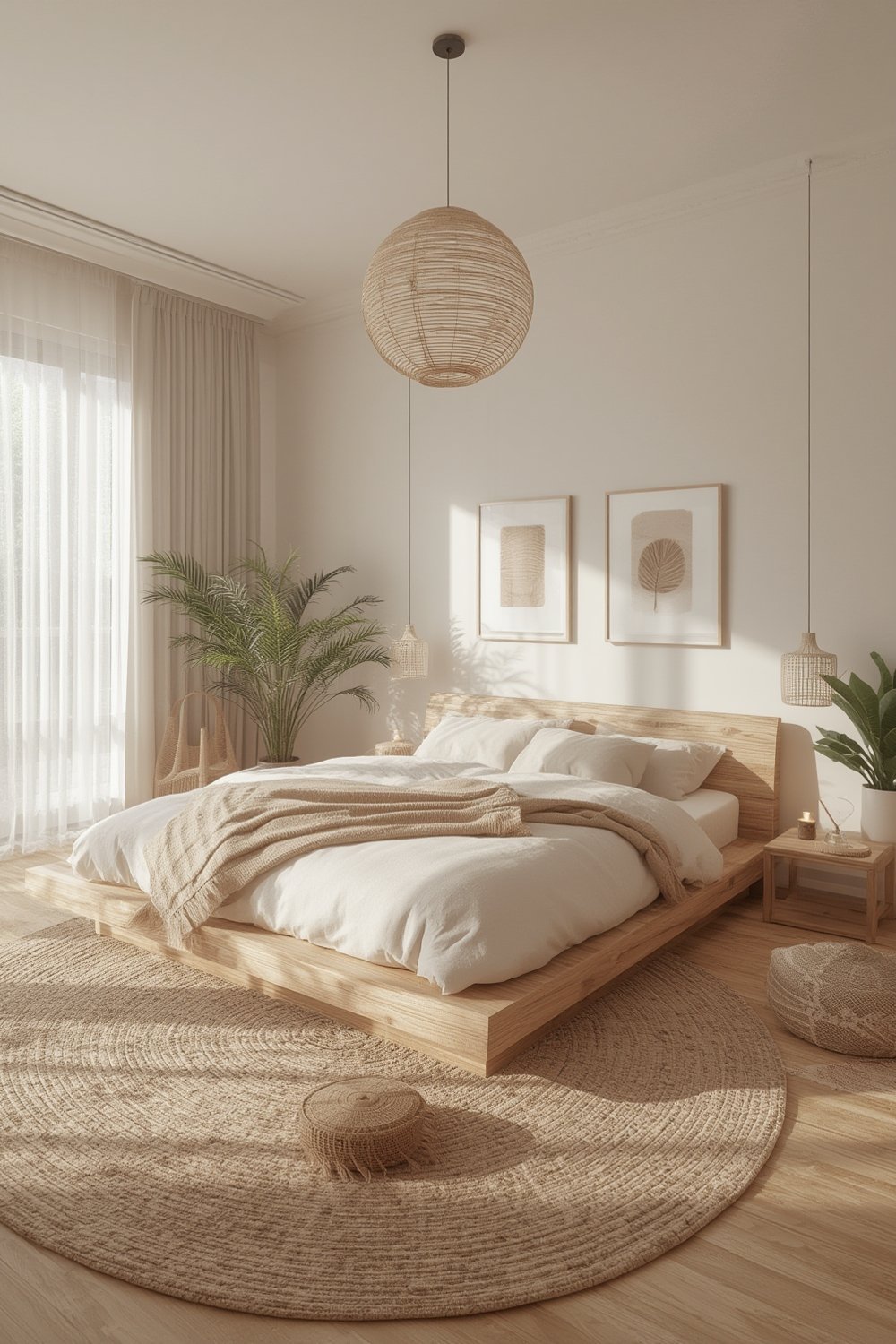
Japandi bedrooms merge the unfussy warmth of Scandinavian interiors with the tranquil, nature-inspired minimalism of Japanese design. The result is a sleep sanctuary focused on restful neutrality, welcome textures, and only what adds value to your daily life. This style prizes quality over quantity: a platform bed in natural wood, simple linen bedding in muted earth tones, and nearly nothing on the floor or walls except what you intentionally choose.
This mindset echoes growing research on homes as sites for well-being and stress relief, especially as people spend more time indoors [source]. Japandi’s hallmark is calm: soft edges, tactile elements, discreet storage, and a feeling that everything “belongs.”
What does this actually look like? Think pale woods, leather, bamboo, woven baskets, a simple platform bed, low lighting, and a single ceramic tray for catch-all storage. No ornate moldings, no gallery wall clutter, and—importantly—no impractical lifestyle fantasies. Japandi works best when every piece pulls double duty for function and beauty.
Increasingly, designers see Japandi as a solution for wellness-driven interiors [source], but true success comes from a practical approach that respects your lifestyle and space size.
Step-by-Step Guide: Creating a Japandi Bedroom
Follow these actionable steps to design your own Japandi bedroom—regardless of room size or budget.
- Clear the slate. Move everything out. Clean thoroughly. If you haven’t used an item for the past month, question if you truly need it in your restful zone.
- Select a calming palette. Japandi bedrooms favor soft whites, warm light grays, beige, taupe, and muted green. Limit accent colors to one or two gentle tones (olive, slate blue, or dusty blush). Use paint, bedding, and textiles to unify.
- Choose natural materials. Prioritize wood (especially ash, oak, or walnut), bamboo, linen, cotton, and wool. Plastics and high-gloss metals are avoided. For inspiration on finding wood that’s both trendy and timeless, see our burl wood furniture guide.
- Commit to a low, simple bed. Platform beds with clean lines anchor Japandi rooms. Avoid high headboards or upholstered styles with bold patterns. If the floor is cold, opt for a nubby wool rug in a neutral color.
- Pare down decor and storage. Open shelves, a single tray, and woven baskets suffice. Any artwork should be restrained—think one monochrome print, not a collage.
- Layer lighting. Swap overhead lights for rice paper lampshades, sculptural wooden sconces, or soft-glow table lamps.
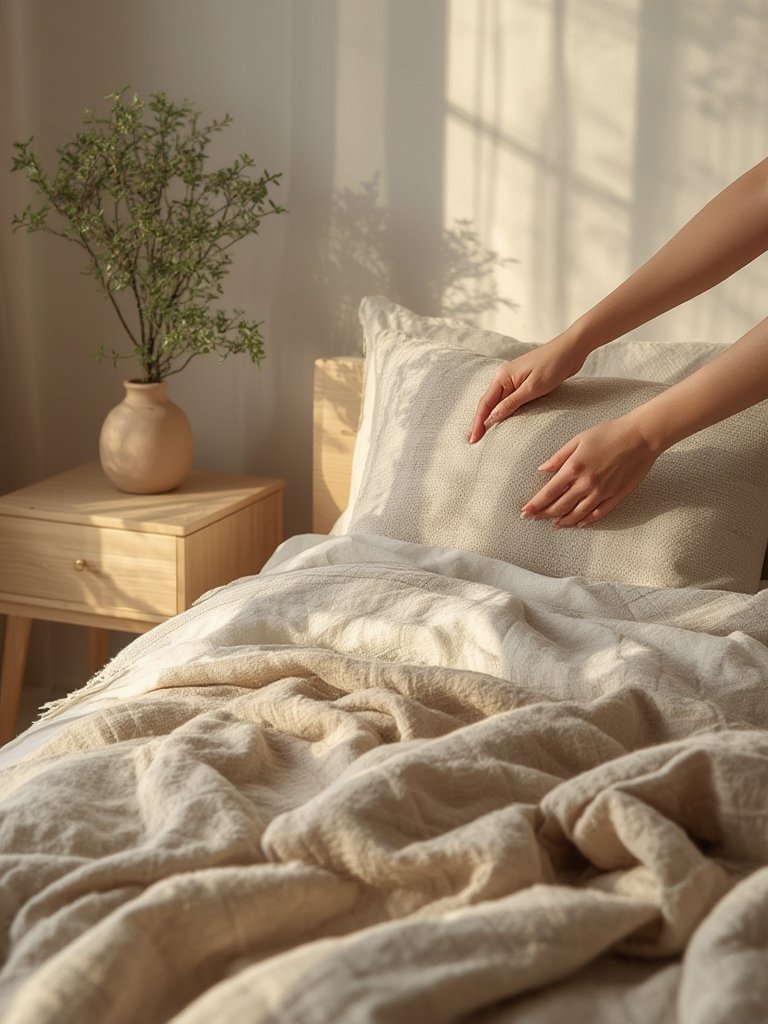
If you’re looking to enhance calm further, add non-toxic, smoke-free candles to achieve a healthy, tranquil environment. - Add organic accents for texture. A woven throw, a handmade ceramic bowl, or dried branch captures Japandi’s respect for imperfection and natural shapes. Plants—whether a small fern or trailing pothos—connect you to biophilic design. Learn more in our biophilic design guide.
- Personalize, but edit. The room should feel lived in. If an object brings you joy and peace, it has a place—otherwise, resist the temptation to over-decorate.
- Maintenance. Schedule regular tidying. Even authentic Japandi bedrooms can feel cluttered over time. Less is always more.
Want to take your sanctuary up a notch? You can combine Japandi principles with advanced wellness design. See our comprehensive spa bathroom guide for inspiration on how to bring more calm to every part of your home.
For a tranquil nighttime routine, combine your Japandi retreat with pillar candle centerpiece ideas—they unify peaceful mood lighting and streamlined decor.
Advanced Analysis & Common Pitfalls
While Japandi style seems straightforward, real-life implementation can turn tricky—especially in smaller bedrooms, budget-focused renovations, or when trying to balance coziness with strict minimalism. Here’s what most guides overlook, plus a true-to-experience comparison with Scandinavian and pure Japanese minimalist styles:
| Issue | Japandi Bedroom | Scandinavian Bedroom | Japanese Minimalist Bedroom |
|---|---|---|---|
| Small space challenges | Benefits from adaptability, but low beds and lack of storage can make clutter management tough. | Often includes higher beds with under-bed storage and more forgiving aesthetics. | Emphasizes even less furniture, but can feel sparse and cold if not balanced with natural textures. |
| Budget constraints | Natural materials and quality bedding can raise costs. Sourcing affordable, authentic-look pieces may take time. | Easier to reproduce on a budget with mass-market options. | Minimal by default, but authentic Japanese design pieces can be expensive. |
| Cozy vs. Cold | Struggles if too strict; can feel sterile. Adding soft textiles and plants is mandatory. | Generally cozier, more lived-in by design. | Risks feeling empty and uninviting, especially in large rooms. |
| Maintenance | Requires ongoing discipline to avoid the slow creep of everyday clutter. | A bit more forgiving—functional clutter is common. | Demands minimal lifestyle or frequent tidying. |
- Mismatch of aspiration vs. reality: If you live with kids, pets, or have a busy routine, the style’s commitment to constant tidiness might not feel practical. Be realistic about what you can maintain long term.
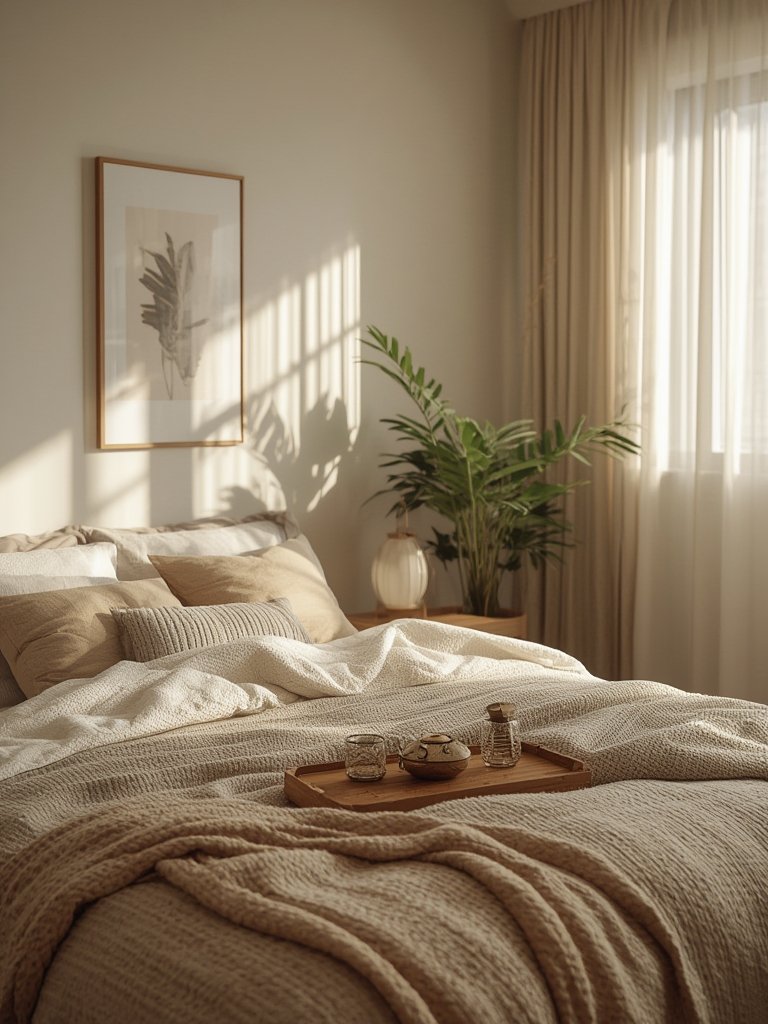
- Lighting: Relying only on natural light creates problems in north-facing bedrooms or darker climates—layer warm lamps and candles to maintain the mood. See more on moody home decor techniques for balancing brightness and comfort.
- Quality over quantity: Sourcing solid wood furniture or real linen bedding can quickly exceed most budgets. It’s OK to mix! Prioritize your splurge item, then fill gaps gradually by thrifting or shopping secondhand. See our guide to styling with thrifted finds.
- Functionality: Don’t ditch what you actually need just for “the look.” A single chair can double as a nightstand; baskets under the bed can hold seasonal bedding.
For wellness-focused readers, consider the science behind soothing Mediterranean or Asian design influences. While anecdotal advice exists, quantifiable health benefits (like improved sleep or reduced stress from Japandi interiors) remain mostly unstudied by academics [source].
Conclusion
Japandi bedroom style is more than an aesthetic—it’s a practical commitment to tranquility, mindful living, and environments you can sustain. Start with strong basics: a pared-back palette, natural textures, a low wood bed, and only the essentials. Tweak and evolve as your needs shift, and don’t sweat “perfection.” Embrace the journey of creating your ideal Japandi bedroom—and enjoy the daily calm it brings.
Ready to start your transformation? Browse the guides above, visit our home resource library, and share what works (or doesn’t!)—your feedback makes this space better for everyone.
FAQ
What colors work best in a Japandi bedroom?
Stick with earthy, muted tones: soft white, beige, sandy gray, faded terracotta, olive green, or slate blue. Limit bold accents for a unified, calming effect.
Does a Japandi bedroom work in small spaces?
Yes, but you’ll need to be extra strict with decluttering and flexible with dual-purpose furniture—like under-bed storage or wall-mounted lighting—to make the style functional in tight quarters.
Do I need expensive furniture for the Japandi look?
No. Focus your budget on one or two key pieces, like the bed or a wood accent chair, and fill in other items slowly via thrifting or DIY. Authentic materials matter more than labels.
Can I add personal decor or does everything need to be minimalist?
Personal touches are encouraged, but less is more. Showcase only a few items of sentimental value to preserve the Japandi sense of calm.
Are there health benefits to a Japandi bedroom?
Though not formally studied, many homeowners report reduced stress and better sleep quality in spaces designed for calm and minimalism. Scientific research is limited, but the style’s focus on wellness is promising.