

Boneless couch designs are revolutionizing modern living rooms by offering adaptable comfort, minimalist aesthetics, and modular functionality that suit today’s smaller apartments and changing lifestyles.
Key Takeaways
- Boneless couches drive strong sales growth with versatile, space-saving modular designs that appeal to urban dwellers and young families.
- Material quality, customization, and true comfort set top models apart, though gaps remain in maintenance guidance and warranty transparency.
- Future trends emphasize sustainability, innovative conversion features, premium customization, and flexible financing programs.
- What Is a Boneless Couch and Why Are They Surging in Popularity?
- How to Choose and Set Up a Boneless Couch: Step-by-Step Guide
- Advanced Analysis and Common Pitfalls with Boneless Couches
- Conclusion
- Frequently Asked Questions
What Is a Boneless Couch and Why Are They Surging in Popularity?
Boneless couches—sometimes called modular sectionals or spineless sofas—are modern, cushion-based seating systems with no internal wooden or metal frame. They use high-density foam, plush fabrics, and customizable modules to offer easy reconfiguration and ergonomic lounging. Unlike rigid traditional sofas, boneless couches mold to the body and adapt to different room layouts.
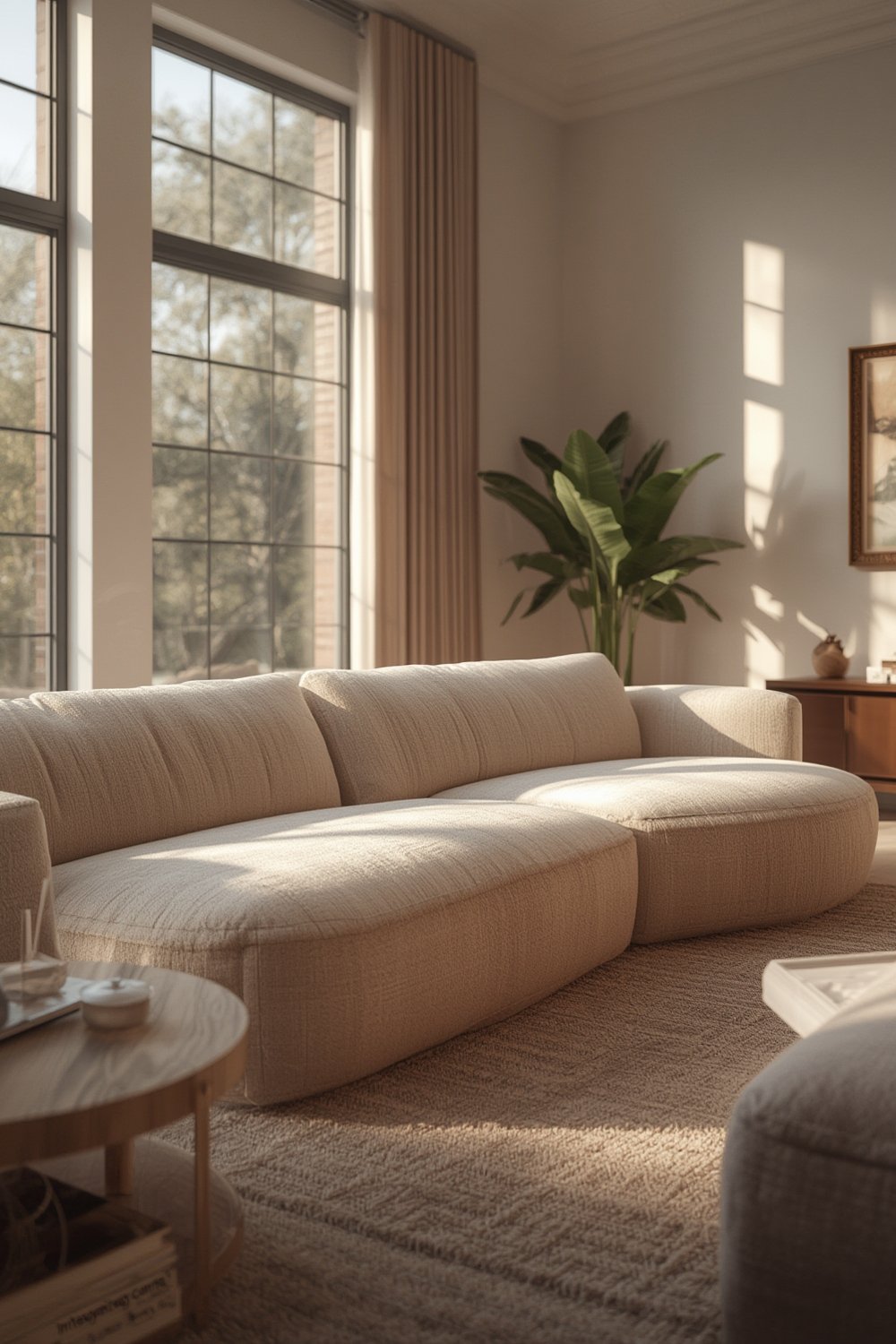
The market for boneless and modular couches grew to $4.7 billion in 2024, with North America taking a 38 percent share. Demand is strongest among urban renters and homeowners in apartments under 800 square feet, as these groups show a 52 percent higher desire for furniture that adapts to limited space. Buyers prioritize easy setup, the ability to transform seating positions, and fabrics that withstand daily life. Top models feature plush memory foam and durable corduroy or chenille, driving customer satisfaction and repeat purchases (source). Multifunctional furniture that doubles as beds or loungers outpaces standard sectional sofas, setting a new expectation for comfort and adaptability.
How to Choose and Set Up a Boneless Couch: Step-by-Step Guide
Getting the most value from a boneless couch starts with selecting the right style and following best practices for setup and use.
- Identify Space and Determine Layout
Measure your room, doors, stairwells, and elevator clearances. Decide where your boneless couch will go, sketching out potential configurations (straight, L-shape, U-shape). Use masking tape on the floor to visualize size and fit, especially if you’re furnishing a small apartment. - Select Material, Filling, and Fabric
Choose high-density foam for maximum comfort and longevity—these variants have a 22 percent price premium and earn higher user ratings. Corduroy and chenille fabrics are preferred for everyday use, driving 28 percent higher satisfaction and withstanding more wear than polyester. Always check return policy and warranty information, even though many brands remain vague on coverage. - Choose Customization and Configuration Options
Premium brands offer modular sections, reversible lounger setups, and personalization of size and color—crucial if you want a bespoke look or special fit. Standard lead times for custom boneless couches are 6 to 8 weeks. Non-premium models may ship faster but offer less in terms of upgrade features. - Unboxing and Assembly
Prepare a clean, open space before delivery. Once unboxed, allow foam modules to expand fully (often 24 to 48 hours). Snap or hook sections together according to the manufacturer’s instructions; most boneless couches arrive without complex tools or hardware. - Ongoing Use and Care
Rotate seating modules every few months to promote even wear. For cleaning, spot-wash with gentle detergent or use the removable covers—though little verified data exists about their long-term stain resistance or durability. Consider pet and child habits in your household: for example, using a spill-resistant rug beneath helps catch dirt and prolongs couch life.
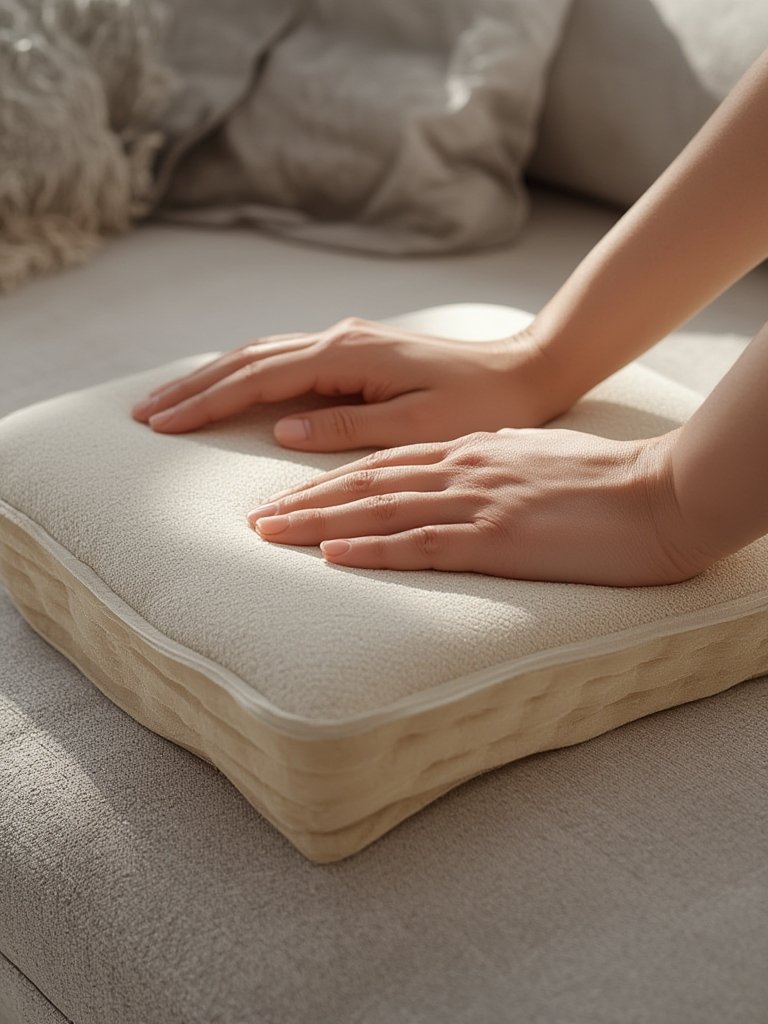
For a streamlined modular look, complement your boneless couch with layered living room lighting or custom built-in shelves. These functional décor upgrades enhance both ambiance and storage—perfect for urban or rental spaces where flexibility is key.
Advanced Analysis and Common Pitfalls with Boneless Couches
Research shows boneless couches outperform standard sectionals in adaptability, but gaps remain in real-world use. Below is an advanced breakdown of pricing, quality, and pain points by model.
| Product | Price Range | Material / Filling | Rating | Key Pros | Cons or Risks |
|---|---|---|---|---|---|
| Soft Black Corduroy Boneless L-Shape Couch |
$199–$370 | Corduroy; Foam | 4.917★ | Durable fabric, Modular, High comfort | Limited warranty info, Size may differ from listing |
| NOVA Modern Apartment Lounger | $168–$576 | Customize; Memory Foam | 4.773★ | Custom fabric/colors, High reorder rate | 6–8 week delivery, Premium price |
| Modern Single Backrest Bean Bag | $33 | Budget Foam | 3.845★ | Entry price, Lightweight | Lower comfort, Stretching/sinking risk |
Common Pitfalls:
- Comfort Gaps: Bargain models may sag quickly or provide insufficient support, especially for adults or heavier users.
- Quality Control Issues: Sizing discrepancies and inconsistent stitching are cited in lower-rated reviews.
- Assembly Confusion: Although modular by nature, unclear instructions or missing hardware can trip up first-time buyers.
- Cleaning and Maintenance: No verified testing exists for how well covers resist stains or repeated washing. Households with pets or children may find maintenance more time consuming.
- Lack of Warranty & Transparency: Top retail listings often skip warranty terms or offer only the most basic returns, creating uncertainty for buyers.
- Mobility on Hard Floors: Modules can slide or separate easily unless anchored with anti-slip pads or heavy area rugs.
- Misjudged Fit: “Boneless” sections naturally flex and expand, sometimes requiring more floor space than anticipated.
Despite these pitfalls, boneless couches excel in layout flexibility and urban appeal. For buyers who value sustainability, early data reveals that eco-friendly fabrics and recycled foam options command up to a 19 percent premium, though specifics on brands and certifications remain limited across listings. If you need inspiration for sustainability or space maximization, explore biophilic home design tips or upgrade your outdoor living space in parallel with your indoor investment.

Conclusion
Boneless couches are shaping the future of home comfort for small-space dwellers, families, and anyone seeking modular, modern furniture. With the right prep and brand selection, you can avoid common pitfalls and create a living room that’s both flexible and welcoming. Always compare comfort levels, fabric quality, and available customizations, but remember to press for clear return and warranty terms before purchase. If you want lasting value and sustainability, look for models embracing eco-friendly materials and flexible payment options.
Ready to transform your living room? Explore the latest boneless couch styles and optimize your space today!
Frequently Asked Questions
What makes a boneless couch different from a standard sectional sofa?
Boneless couches lack internal frames. They are made entirely of foam and fabric, making them lightweight, modular, and easier to reconfigure. This contrasts with standard sectionals, which use wood or metal for structure.
Are boneless couch covers easy to clean?
Most boneless couches offer removable covers, but detailed data on stain resistance and durability is scarce. Spot cleaning and occasional gentle washing are usually safe, but always check care tags for specifics.
How do boneless couches hold up for families with kids or pets?
Look for high-density foam and durable fabrics like corduroy or chenille for better resilience. However, some modules may move easily or show wear if not anchored. Consider area rugs and extra slipcovers for added protection.
What warranty or return policy should I expect with a boneless couch?
Warranty coverage and return policies vary widely, and many brands do not provide full transparency at purchase. Ask for detailed terms in advance, and choose sellers with clear consumer protection guarantees if possible.
Can I combine boneless couch modules from different brands?
Generally, it is best to stick with one brand or product line to ensure modules fit and connect properly. Dimensions and connector types can differ between brands, making mismatched combinations difficult.