

Art deco vintage is more than a decor trend—it’s a high-demand collectible style dominating both the antique and homeware market in 2024. Whether you’re after investment-grade pieces or aiming to recreate the look at home, understanding its appeal, challenges, and the steps to do it right is crucial.
Key Takeaways
- The market for authentic art deco vintage decor has surged, with prices nearly doubling in two years and supply tightening fast.
- Most buyers struggle to balance period authenticity, comfort, and practical needs—especially in small, modern homes.
- Verifying authenticity, learning specific care steps, and adapting layouts for small spaces are essential but under-addressed by most guides.
- What Is Art Deco Vintage? Why Is It Surging Now?
- How to Build an Art Deco Vintage Living Room: Step-by-Step
- Real-World Challenges, Pitfalls, and Price Comparison
- Conclusion
- Frequently Asked Questions
What Is Art Deco Vintage? Why Is It Surging Now?
Art deco vintage refers to original and reproduction home decor and furniture designed around the 1920s to 1930s Art Deco movement. This style is instantly recognized by its bold geometry, rich materials, and sense of modern, streamlined glamour. In 2024, Art Deco is seeing unprecedented demand, outpacing even mid-century modern in dealer sales. Experts link this surge to several factors: a return to investment-grade antiques, the waning of “all-neutral” trends, and a new appreciation for historic, statement pieces that can hold their value.
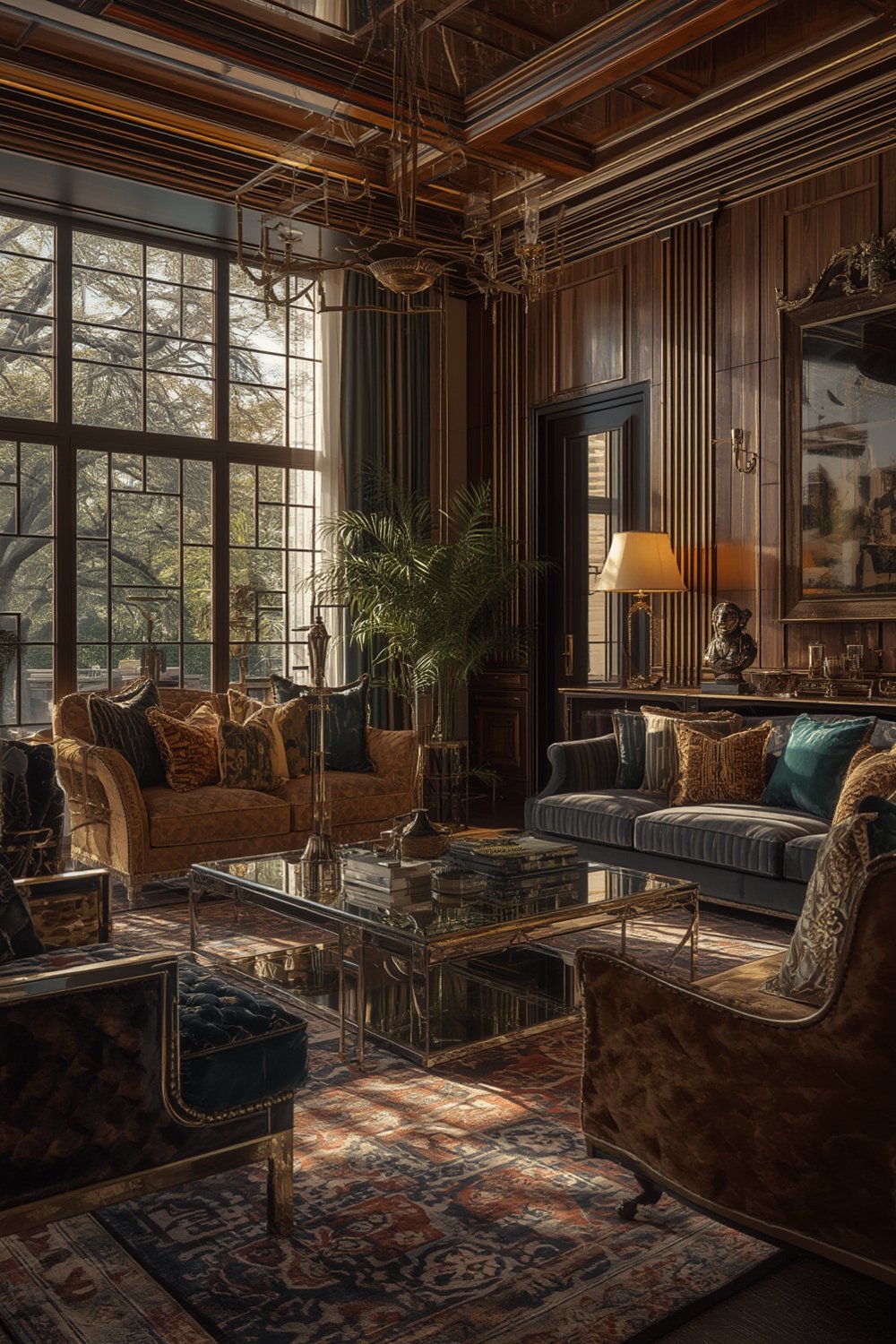
This spike is backed up by market data. The global vintage and retro market hit $75 billion in 2024, with second-hand collectibles nearing $125 billion. Source High-profile dealer reports say real Art Deco is now selling at nearly double last year’s prices, and genuine pieces, especially larger or restored items, are becoming difficult to source.Source
But the style isn’t just for wealthy collectors. Even accessible retailers are launching deco-inspired lines—mirrors, lighting, or textiles—reflecting a broader “glam meets useful” trend. Homeowners appreciate Art Deco’s ability to add drama, symmetry, and quality to almost any space, but recreating the look at home comes with several real-world challenges.
How to Build an Art Deco Vintage Living Room: Step-by-Step
Bringing authentic or authentic-looking Art Deco vintage style into your living room isn’t as simple as picking a geometric pattern. To avoid expensive mistakes or a themed look, follow these practical steps.
- Pick Your ‘Anchor’ Piece First
Start with one standout: a mirrored console, stepped sideboard, or pair of club chairs. Dealers and designers agree this is the fastest way to set a Deco tone—even if the rest is neutral or modern.
If budget or space is limited, a sunburst mirror or geometric chandelier can also serve as your anchor. - Verify Authenticity—If You’re Buying Vintage
Check for true period pieces: dovetail joinery, high-gloss exotic veneers (macassar, walnut burl, rosewood), original chrome hardware, and classic Art Deco motifs (stepped forms, fan or sunburst inlays). Ask sellers about provenance, and watch for telltale signs of over-restoration or replaced fabric.
Reproduction? Focus on substantial materials and finish quality—avoid MDF with foil veneer and overly bright or plastic-y metals. - Set the Right Palette
For walls: cream, warm beige, parchment, or soft jewel tones. Accents in emerald, navy, burgundy, or amethyst work for cushions, rugs, and art.
Avoid black-and-white with neon or garish gold, which screams 1980s revival, not 1920s–30s sophistication. - Layer In Geometric Forms, Carefully
Use symmetry in furniture arrangement: place anchor pieces on axis, mirror visual weights side-to-side.
Add geometric rugs, chevron woods, or one statement wallpaper, but never crowd every surface with pattern. - Balance Old and New for Comfort & Storage
Mix a Deco anchor with modern sofas or storage—especially important in small, multipurpose rooms. Choose a Deco-style bar cabinet (can double as desk or media console) to hide clutter. - Sneak In Technology
Hide TVs inside Deco-inspired cabinets, or flank a media unit with stepped or chrome details. Use cord covers finished in chrome, or run cables behind mirrored panels. - Light for Drama
Add a period or period-style chandelier, glass sconce, or stepped table lamp. Use dimmers and bulbs that highlight high-gloss finishes and metallics without glare. - Keep It Crisp and Uncluttered
Art Deco loses its impact in crowded or over-accessorized rooms. Display only a few carefully chosen objects—an inlaid clock, a chrome tray, a piece of geometric glass—for maximum impact.
Want a more hands-on guide to styling tables? Try these pillar candle centerpiece ideas or add non-toxic candles for subtle glamour. If you’re considering a compete decor overhaul, see latest tips for spa bathroom design as well.
Real-World Challenges, Pitfalls, and Price Comparison
The Art Deco vintage market has unique challenges. From sky-high prices to pitfalls when faking your way with reproductions, here’s what buyers and decorators need to know:
- Authentication is hard—and essential for investment. Many sellers list “Art Deco style” pieces as vintage, but real period details might be missing. Always check construction methods (e.g., book-matched veneers, solid wood, correct joinery), label dates, and look for signs of careless restoration.
- Costs are rising sharply in 2024. Dealer surveys report prices doubling for authentic pieces. Most buyers settle for reproductions for “big ticket” items like seating or case goods, and use one or two authentic smaller objets (like a clock or lamp) for real investment value. Source
- Comfort and scale are common stumbling blocks. Original Art Deco sofas look spectacular but often lack the width or cushioning expected in modern living rooms. Mixing stylish storage and modern comfort seating with Deco accent pieces is recommended.
- Pattern and metallic overload can cheapen the effect. Too many zigzags, fans, or chrome accents crowd the room and shift it into pastiche. Always keep Deco touches balanced, and avoid mixing every era or finish.
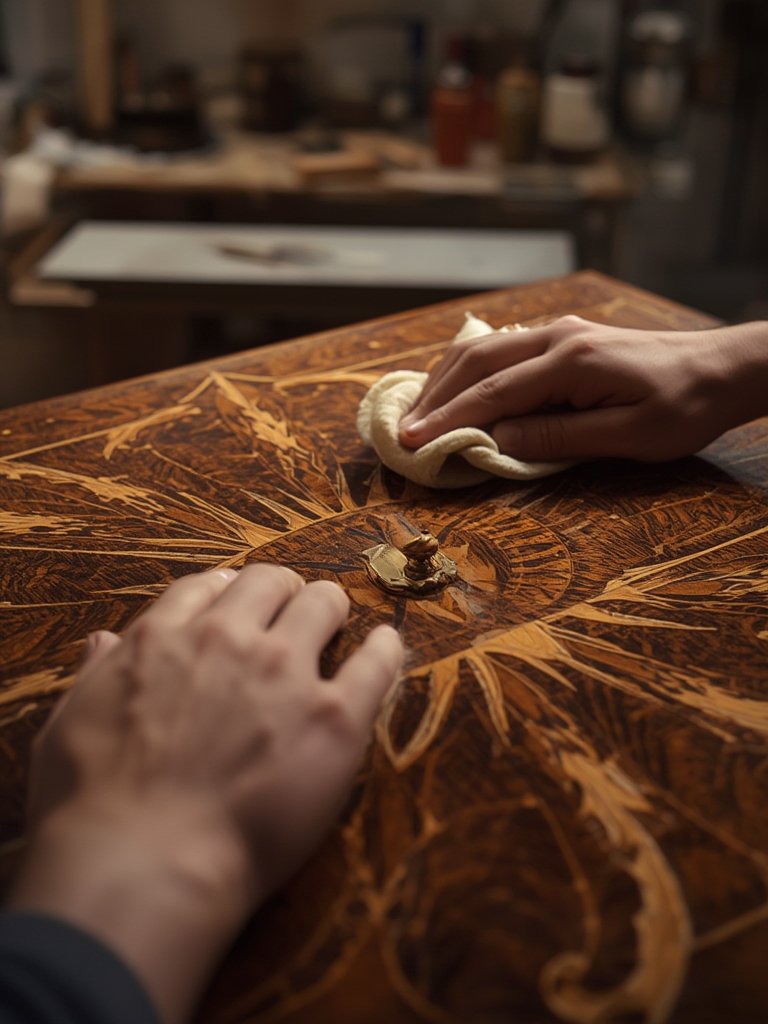
- Care is often neglected. Veneered and lacquered Deco pieces require gentle cleaning, moderate humidity, and minimal direct sun. Chrome and glass must be cleaned with non-abrasive products, and repaired only with expert advice. Professional conservation is often needed for restoration.
| Category | Authentic Art Deco (1920s-30s) Typical Price | Reproduction / Modern Deco-Style Price |
|---|---|---|
| Mirrors | $300–$1,500 (unsigned), $1,500–$5,000+ (designer/statement) | $80–$500 (mass-market), up to $1,500 (designer reproduction) |
| Lighting | $400–$2,000 (sconces, table lamps); $1,500–$10,000+ (chandeliers) | $80–$600 (retail lamps); $300–$2,000 (chandeliers) |
| Sofas / Lounge Chairs | $1,500–$8,000+ (good restored); much higher for rare or designer | $800–$4,000 (mid-market); $5,000+ (luxury brands) |
| Case Goods | $2,000–$10,000+ (sideboards, cabinets); tens of thousands for icons | $600–$3,500 (retail); up to $10,000+ (luxury/custom) |
| Small Decor | $150–$1,000 (unsigned); $500–$5,000+ (designer) | $25–$300 (basic); $300–$800+ (designer collab) |
When shopping, prioritize authenticity for small accent pieces—like a clock or lamp—where investment is lower but value more attainable.
Looking for durable, trending wood furniture options? See our burl wood furniture buying guide for smart sourcing advice.
Conclusion
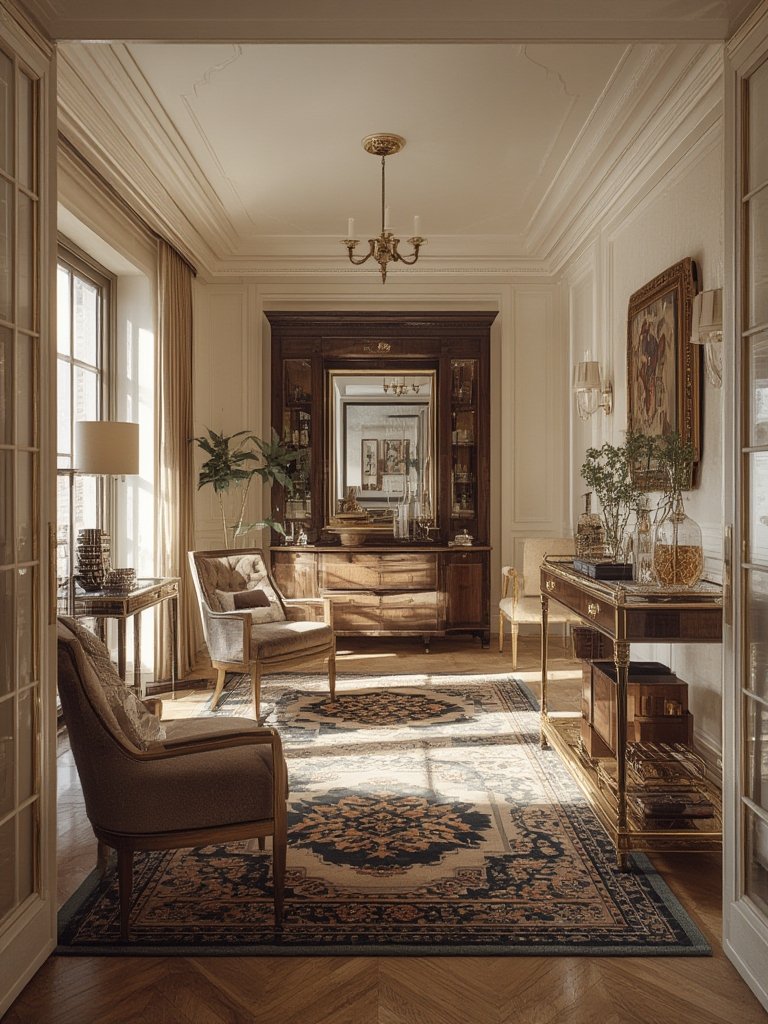
The Art Deco vintage style is thriving in 2024. While authentic pieces are expensive and increasingly scarce, even one bold, geometric anchor can elevate a space. Pairing key period details with modern comfort, practical layouts, and proper care prevents common mistakes—like pattern overload or crowded, mismatched rooms. Whether you shop antiques or invest in quality reproductions, treat verification and long-term upkeep as essential. Ready to introduce art deco vintage into your home? Start with one authentic accent or anchor and build out—always with intention, restraint, and appreciation for the era’s unique glamour.
Want more ideas to modernize your home? Explore these biophilic design strategies or upgrade your living space with outdoor living enhancements to blend vintage with fresh wellness trends.
Frequently Asked Questions
How can I tell if an art deco vintage piece is authentic?
Check for solid woods or book-matched veneers, period joinery (like dovetails), original chrome, and labels or stamps. Avoid over-restored or recently reupholstered items with modern materials. When in doubt, ask for provenance and consult a reputable appraiser.
Are reproductions of art deco vintage worth buying?
Yes, especially if made with solid materials and period-accurate finishes. Reproductions can offer the look and functionality of Art Deco at a lower cost. Avoid items that look flimsy, “themed,” or use cheap materials.
What colors work best for an art deco vintage living room?
Base colors should include cream, parchment, ivory, or deep jewel tones like emerald, navy, or burgundy. Metallic accents in chrome, nickel, or muted gold add authentic flair. Soft, layered palettes look more historic than harsh black-and-white or neon combinations.
How do I blend art deco vintage with modern living needs?
Use one or two Deco ‘anchor’ pieces, maintain symmetry, and mix with modern sofas or storage for comfort. Choose multi-purpose Deco-style cabinets or tables that accommodate both storage and technology without disrupting the look.
Where is the safest place to shop for real art deco vintage pieces?
Established antique dealers and auction houses are most reliable for high-value items. Carefully check seller reputation, product photos, return policies, and, if buying online, insist on detailed condition reports.