

European kitchen aesthetic is setting the pace in modern home design, known for its smart storage, bold color choices, and sleek efficiency—especially in small urban environments. If you want to achieve this look at home, you need to navigate real technical challenges, material selection, and the realities of fitting European charm into compact, sometimes awkward kitchen footprints.
Key Takeaways
- Efficiency, minimalism, and sustainability define the 2026 European kitchen aesthetic, with integrated appliances and smart storage designed for small urban spaces.
- Blending ornate French decor into compact or non-traditional kitchens is particularly challenging, requiring careful material and layout choices.
- Common pitfalls include poorly planned storage, overuse of bold colors, and misunderstanding material longevity or maintenance needs.
- The Core Concept of European Kitchen Aesthetic
- Step-by-Step Guide: Achieving the Look
- Advanced Analysis & Common Pitfalls
- Conclusion
- FAQ
The Core Concept of European Kitchen Aesthetic
At its heart, the European kitchen aesthetic is about balancing streamlined functionality with visual punch. In 2026, this translates to handleless cabinetry, flat-panel doors, and integrated appliances (source). Compact layouts—common in urban apartments—are tackled through pull-out drawers, vertical storage, and multi-functional islands (source). Current style pushes for deep blues, greens, or earth tones against neutral bases, while sustainability is prioritized using bamboo, reclaimed wood, and recycled glass-contributing not just to the style, but to longevity and eco-values (source).
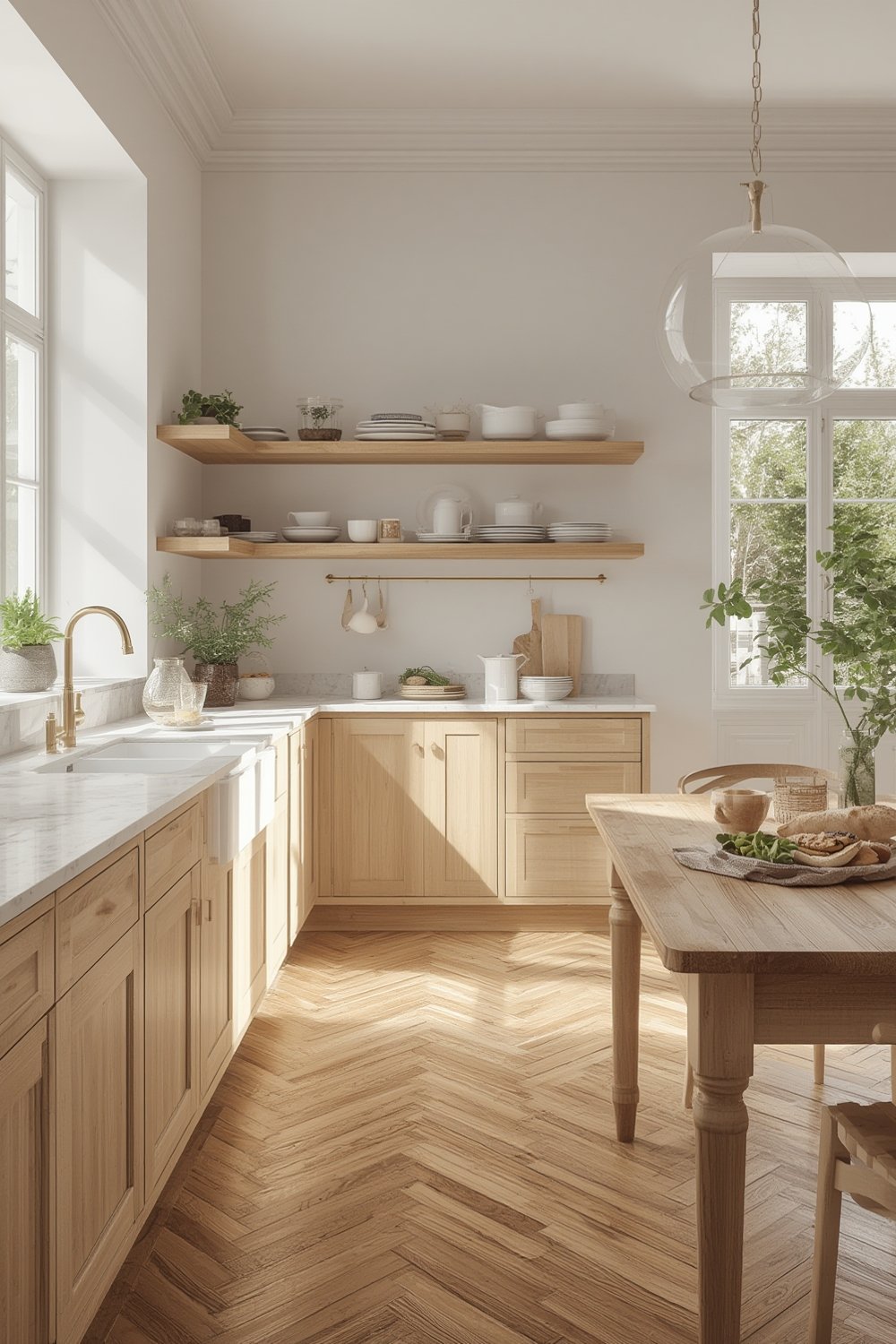
Homeowners love this look for its uncluttered calm and tech-enhanced convenience. But the aesthetic does more than look beautiful; it enables easier cleaning, better organization, and a highly efficient work triangle in small square footage. The challenge? Achieving this blend of crisp style and hard-working function requires strategic planning, often overlooked when translating Pinterest inspiration into reality.
For those exploring this style, you might also enjoy learning how to infuse your space with thrifted charm, or adding accents like pillar candle centerpiece ideas for warmth.
Step-by-Step Guide: Achieving the Look
- Assess your kitchen’s footprint and storage pain points. Even a galley or U-shaped kitchen can benefit—with the right vertical cabinetry, you can fit twice as much in less than half the space.
- Choose foundational materials and finishes. Opt for flat-panel, handleless cabinets; matte finishes in deep green, blue, or neutral tones; and integrate materials like bamboo or recycled glass for sustainability.
- Select and position key appliances. Built-in ovens, induction cooktops, and concealed range hoods maintain a seamless look. Seek out low-emission options from European brands like Bosch or Liebherr.
- Maximize storage with smart solutions. Install pull-out drawers, vertical lift-up cabinets, and internal dividers. Use corner storage systems to avoid wasted space.
- Add contrast and texture. Use open shelving in select areas to show off curated ceramics or greenery. Incorporate natural elements like stone counters or untreated wooden details for depth.
- Lighting and tech integration. Favor statement pendant lighting or slender LED strips under cabinets. Enhance function with app-controlled ovens, faucets, or discreet bottle coolers for a luxe touch.
- Finishing touches and accessories. Avoid kitchen clutter; select fewer, higher-quality textiles or traditional French elements in moderation.
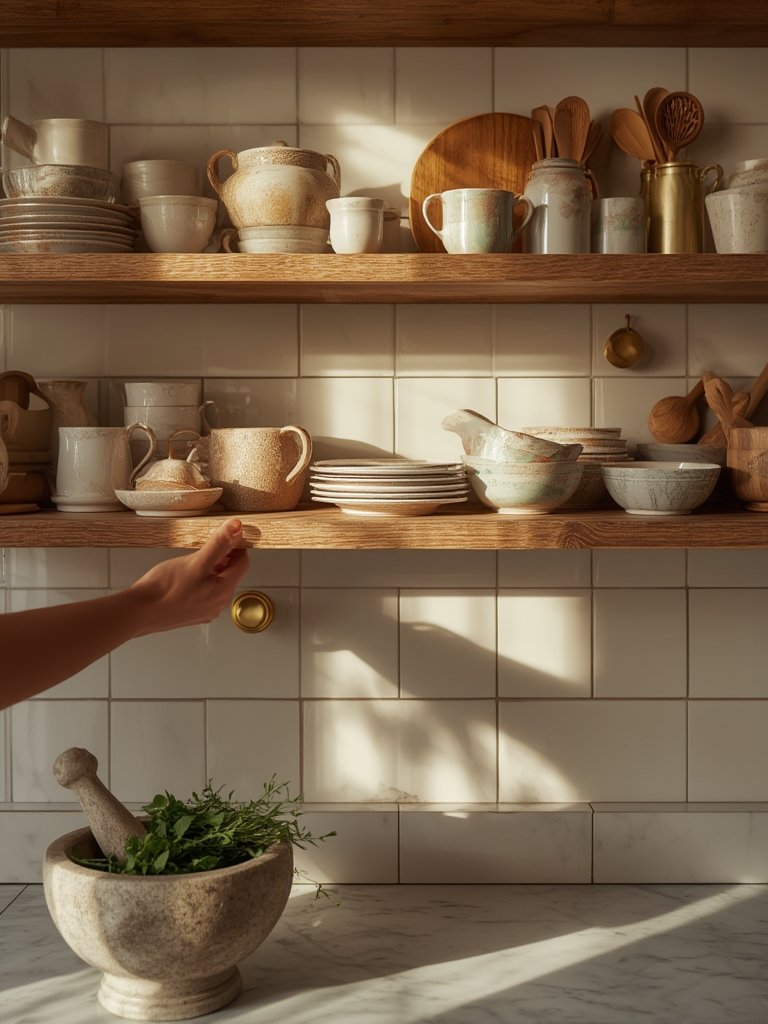
For advanced inspiration, see how others blend cozy European and minimalist Japandi elements for a genuinely urban-friendly kitchen (source). Or, layer in luxury with spa-like touches—like natural wood or stone featured in our spa bathroom design guide.
Enhance coziness without crowding small spaces by bringing in an indoor plant accent; this aligns perfectly with wellness-focused biophilic design principles.
Advanced Analysis & Common Pitfalls
While the European kitchen aesthetic seems straightforward, practical application—especially in compact or non-traditional homes—reveals several persistent challenges and project risks.
| Common Pitfall | Description | Workaround/Solution |
|---|---|---|
| Overcrowded Small Layouts | Multifunctional islands and bold color can make a small kitchen feel cramped instead of streamlined. | Limit the island size, confine bold colors to accent zones, and use more open shelving or reflective door finishes. |
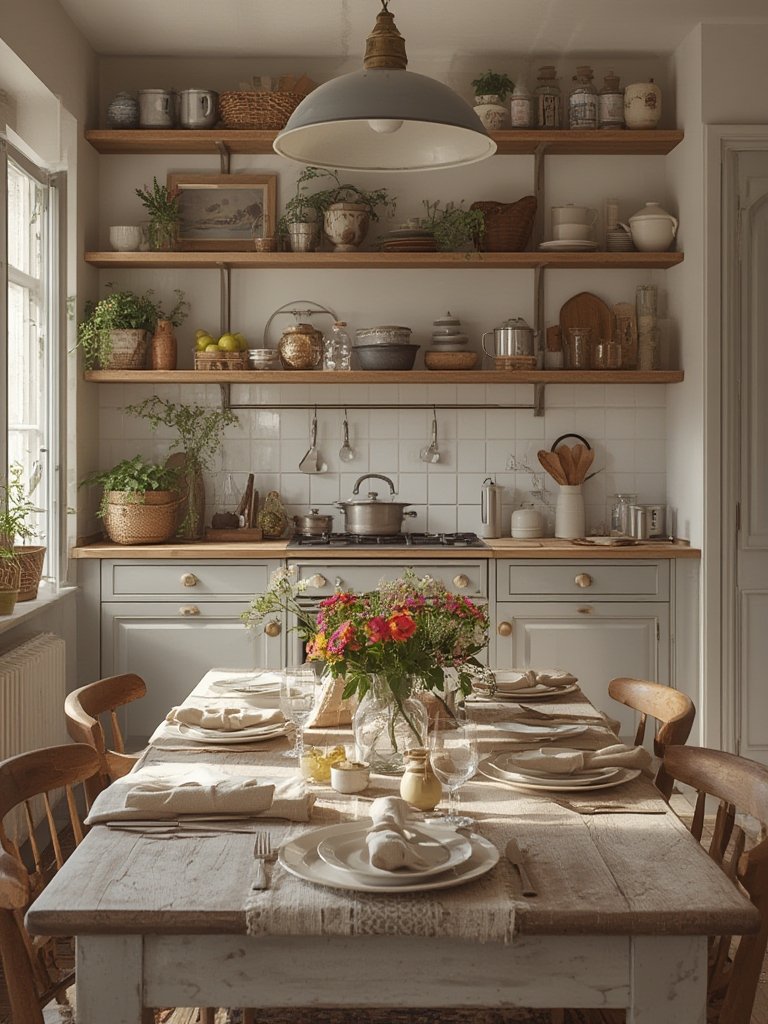
| Misfit French Decor | Ornate French cabinetry or heavy textiles clash with the light, minimal structure of typical European designs. | Select just one or two French elements (like rustic hardware) and keep the rest contemporary and spare. |
| Underutilized Storage | Skipping internal organizers, vertical lift-ups, or corner systems wastes precious space, especially in urban apartments. | Prioritize smart hardware and plan for needs before ordering cabinetry. |
| High-Maintenance Surfaces | Bold color cabinets and recycled glass counters look stunning but may require frequent cleaning, especially in busy homes. | Test sample finishes for durability and easy cleaning before installing broadly. |
| Underestimated Costs | European components, integrated appliances, or specialty hardware can carry premium costs and lead times. | Plan for splurges on one or two high-impact features and look for local alternatives for other elements. |
Research also notes top competitors rarely detail clever small-space hacks—like integrating a vent hood directly into a compact island, or using corner cabinet systems with vertical lift-ups (source). Exploit these gaps for a more livable, truly European-inspired kitchen.
For more on avoiding cost overruns in any remodel, our DIY home renovation budget guide breaks down smart strategies that apply to kitchen design.
Craving even more function throughout your home? Consider how smart home upgrades can dovetail with integrated kitchen tech for seamless comfort.
Conclusion
Perfecting the European kitchen aesthetic—especially in small or non-traditional spaces—is a blend of strategic design, realistic material choices, and measured personality. Balance is the key: integrate boldness in moderation, maximize smart storage, and keep functionality at the forefront. With these steps, you’ll transform any kitchen into a space that embodies European efficiency and style.
Ready to bring the European kitchen aesthetic into your own space? Start small—pick one improvement from above, test a material sample, or plan out your smart storage today.
FAQ
What materials work best for a sustainable European kitchen?
Bamboo, reclaimed wood, recycled glass, and eco-friendly cabinetry are ideal. Authenticity also comes from using natural stone or untreated wood for counters and accents.
How can I add French kitchen decor to a small European-style kitchen?
Choose one or two French elements—like a rustic brass faucet or patterned textiles without overcrowding the minimal layout. Keep the rest sleek and uncluttered.
Are integrated appliances necessary for a European look?
Integrated or built-in appliances strongly define the European kitchen aesthetic. However, you can achieve a similar effect with panel-ready or compact options if fully integrated models are out of budget.
What’s the most overlooked storage trick in compact kitchens?
Vertical lift-up cabinets and corner storage systems use every inch, eliminating wasted or inaccessible zones—vital in small European-style home kitchens.
How do I keep bold color cabinets looking clean?
Choose matte or textured finishes over high-gloss. Wipe down regularly, and use quality paint or laminate that resists fingerprints and staining.