
Dopamine decor bedroom is the most talked-about trend in bedroom design for 2024, promising a boost in joy and energy by using color, playful objects, and personalization. But what actually works—and what doesn’t—based on real research and actual user experience?
Key Takeaways
- No study directly measures dopamine in bedrooms, but color and decor have clear, measurable impacts on mood, relaxation, and arousal.
- The most effective dopamine decor bedrooms balance vibrant, personalized elements with restful palettes and avoid clutter or overstimulation.
- Smart color zoning, layered lighting, and textile swaps are budget-friendly, rental-safe ways to transform your bedroom’s emotional feel.
- What Is Dopamine Decor Bedroom? Core Concept & Science
- Step-by-Step Guide: Create a Dopamine Decor Bedroom
- Advanced Analysis & Common Pitfalls
- Conclusion
- Frequently Asked Questions
What Is Dopamine Decor Bedroom? Core Concept & Science
Dopamine decor bedroom is a colorful, joyful, and highly personal design approach aimed at triggering your brain’s reward centers. While “dopamine” is the popular label, research actually shows that visually pleasing, saturated colors and personally meaningful decor reliably boost mood, calmness, and energy. However, there is no direct evidence that changing your bedroom decor increases dopamine levels itself. Instead, studies measure relaxation, alertness, preference, and EEG/autonomic responses to color and decor.
Key findings from recent studies:
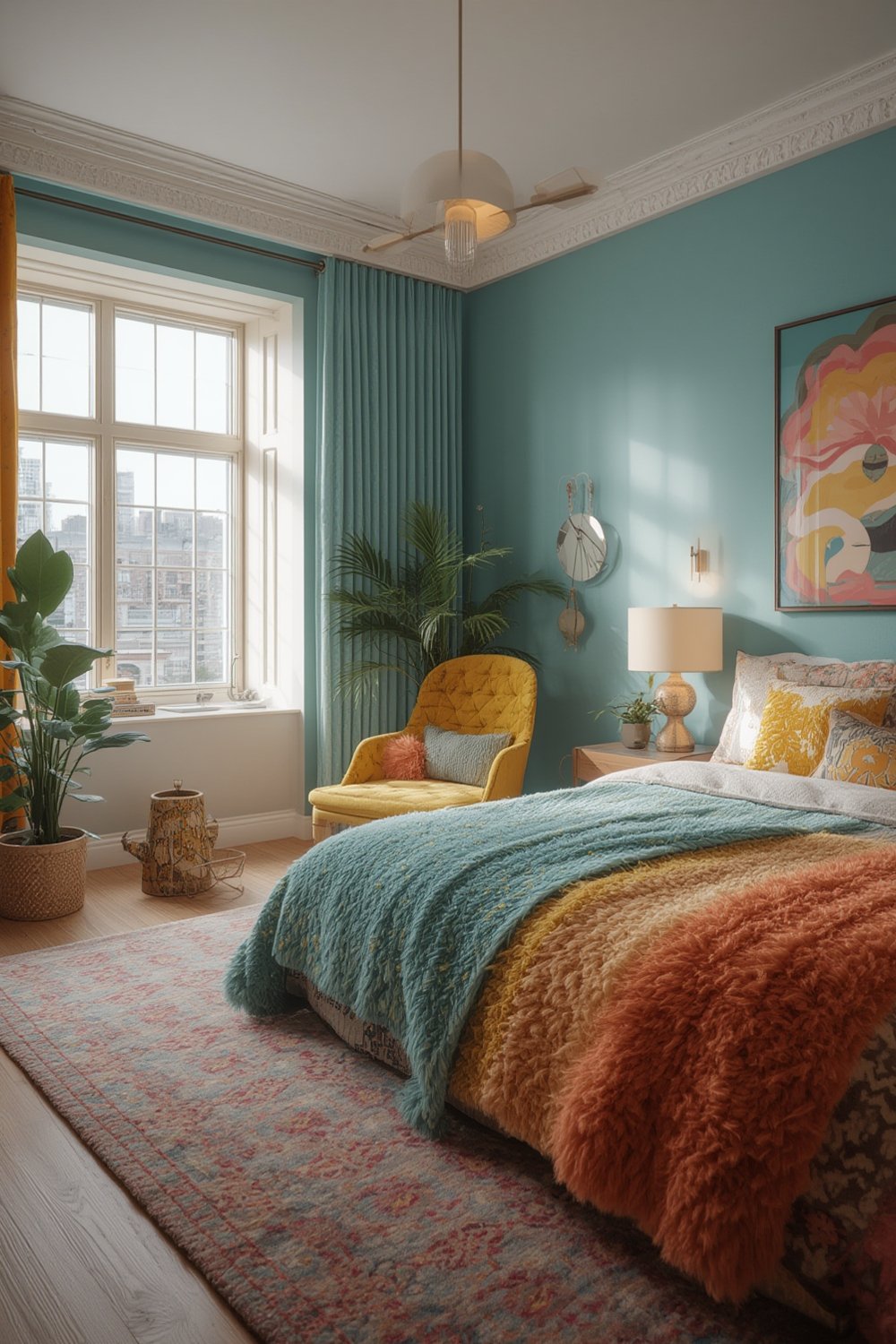
- Blue bedrooms are preferred and strongly increase calm and relaxation for most people, from kids to adults. [source]
- Green and purple rooms deliver moderate calm but more visual variety; red/yellow promote alertness but can disrupt sleep or relaxation.
- Light and brightness, not just boldness, matter—lighter rooms feel happier and more spacious. [source]
- The “dopamine” label is marketing shorthand for the real, measurable mood benefits of color, comfort, and visual joy. True dopamine release has not been measured in human bedrooms, but reward-related brain activity does increase in colorful, meaningful spaces. [source]
So, the science supports dopamine decor bedroom elements—if applied with balance and realism—especially for boosting well-being and making bedrooms more uplifting without sacrificing calm or sleep quality.
Step-by-Step Guide: Create a Dopamine Decor Bedroom
Ready to transform your bedroom into a dopamine-charged haven? Follow these action steps and tailor for your energy, sleep, and budget needs.
- Set Your Personal Joy Palette—But Ground It in Calm
Pick one or two main calm colors (blue, soft green, lavender) as your anchor—especially for walls and the space around your bed. These promote relaxation and restful sleep.
Add 1-2 accent “energy” colors (like coral, mustard, or hot pink), but limit these to smaller surfaces: pillows, lamps, art, or a reading nook.
Be honest about what actually makes you happy every morning—not just what’s trending. - Introduce Color With Textiles Before Paint
Bright bedding, curtains, and cushions can transform a space fast and on a tiny budget. This is especially useful for renters or anyone “testing” the trend.
Layer in happy pastels or vibrant patterns, but keep your base restful. Combine tactile comfort with visual joy—think nubby throws, velvet pillows, or tufted rugs in joyful tones.
Textiles are also a fast path to seasonal change-outs or quick mood resets. - Add Color-Tuned Lighting for Maximum Mood Impact
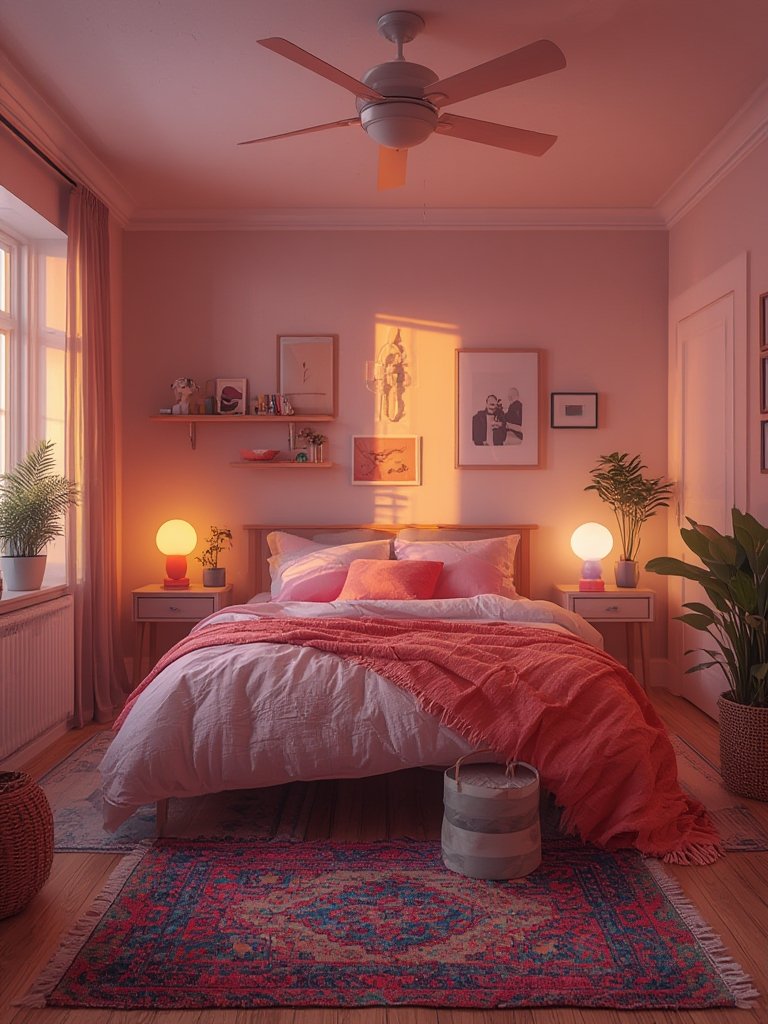
Swap out standard bulbs for smart lights or color-adjustable bulbs. Use string lights or colored shades to give warm or playful tones without painting.
Layer lighting—add a fun lamp for reading, soft fairy lights for evening wind-down, and natural white daylight lamps to keep mornings energized.
This strategy is often cheaper and rental-safe, and research backs the huge impact of light and brightness on mood [study]. - Curate (Don’t Clutter) Joyful Decor Objects
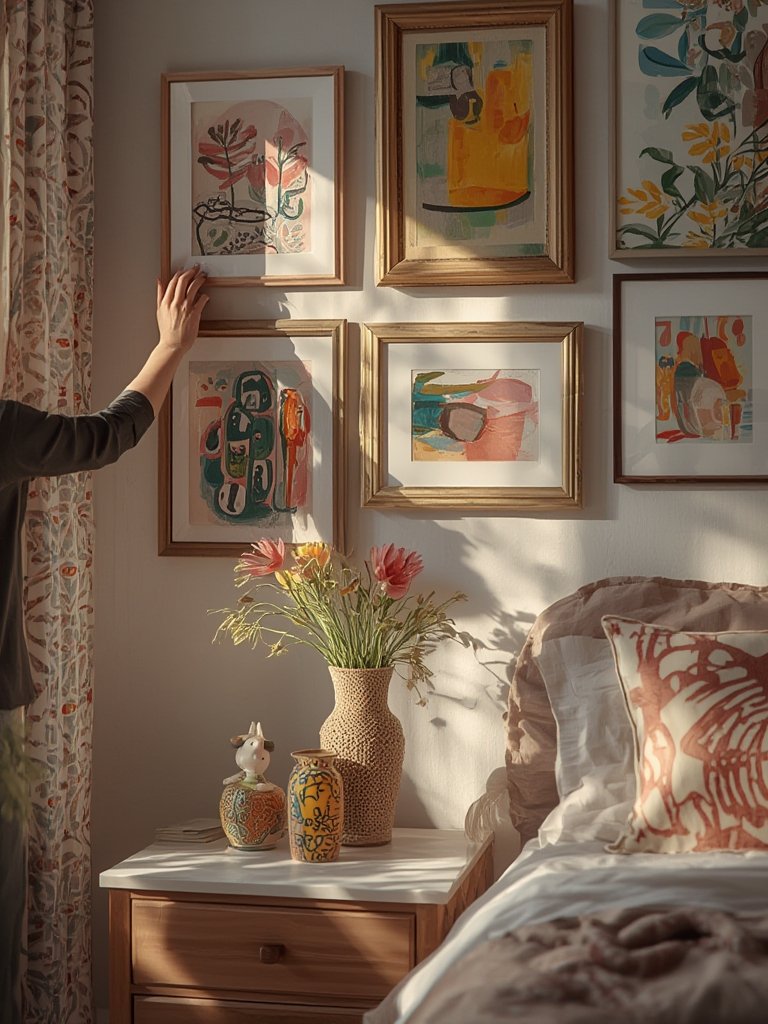
Add a few quirky, personal, or playful decor pieces on nightstands or shelves—think fun art, glass figurines, or cherished toys.
Choose meaning and positive memories over quantity; too many tchotchkes can kill calmness.
Explore thrift and upcycle for truly unique dopamine decor finds. - Establish “Joy Zones” (Micro-Areas) in the Bedroom
Place your most vibrant, saturated colors in small “activity zones”—like a desk, makeup table, or creative corner.
Keep the bed area and main sleeping zone mostly cool-toned or neutral to protect restfulness.
This zoning approach is backed by both neuroscience and the most sustainable dopamine decor techniques. - Make It Changeable—Opt for Temporary, Removable Elements
Peel-and-stick wallpaper, removable decals, bedding swaps, and color-blocked rugs allow you to shift your dopamine palette every year or season.
Especially useful for renters or anyone worried about “trend fatigue.”
Curious about affordable upgrades? Check out this proven DIY home renovation budget guide.
Need extra wellness impact? Mix in natural elements for a biophilic boost. Plants, wood decor, or burl wood furniture layer calming green and organic textures into your dopamine decor bedroom—shown to reduce stress and increase happiness.
Advanced Analysis & Common Pitfalls
While dopamine decor bedrooms are exciting, user reports and design experts flag repeated problems—especially if you go “all in” without a plan. Here are the most common pitfalls and how to avoid them:
| Common Pitfall | What Happens | Science/Expert Fix |
| Too Many Bold Colors Everywhere | Room feels chaotic, sleep suffers, visual fatigue increases | Limit vibrant hues to “joy zones” or objects, keep walls and sleep area calm & cool |
| Maximalist Clutter | Decor feels messy instead of joyful, hard to relax | Curate for meaning, not just color—less is more for restfulness |
| Lack of Cohesive Scheme | Bedroom looks like a playroom, not a sanctuary | Choose a main palette and stick to 1–2 base + 1–2 accent colors; repeat tones in textiles/lighting |
| Lighting Mismatch | Daylight and bulbs make colors look wrong, dull, or harsh | Test everything in different lights before committing; use color-tunable lights for rapid fix |
| Overspending | Budget blown on paint or new furniture when textiles and lighting could do 80% of the work | Start with affordable swaps (bedding, pillow covers, lamp shades, peel-and-stick) and thrifted items |
| Trend Fatigue | Get tired of loud colors fast, regret permanent changes | Choose removable, easily swappable elements for high-impact color |
Experts strongly recommend: Zone your bedroom for both rest and joy, curate objects mindfully, and always test color/lighting before a big commitment.
Conclusion
Research proves that color and decor profoundly shape our mood and energy—even if actual dopamine levels aren’t measured in bedrooms. The dopamine decor bedroom trend works best when you balance joyful accents with restful design around your bed, use textiles and lighting for budget-friendly pops, and curate objects for meaning instead of clutter.
Looking for more transformative home wellness ideas? Try spa-inspired bathroom design or dive into moody home decor for contrast.
Embrace the dopamine decor bedroom approach by experimenting with color, personal touches, and lighting—then adjust for your own joy and calm balance. Start small, swap often, and let your bedroom become your most joyful sanctuary.
Frequently Asked Questions
Is there scientific proof that dopamine decor increases dopamine in the bedroom?
No. Current research shows strong mood and brain arousal changes from color and decor, but no studies have measured dopamine release directly in bedrooms. The term is based on broader neuroscience about reward and aesthetics. [more detail]
What are the best colors for a dopamine decor bedroom that also promote sleep?
Experts recommend blue or soft green as primary colors, with happy accents in coral, lavender, or mustard. Limit bright reds and yellows to small accessories or art to avoid overstimulation.
How do I do dopamine decor on a budget?
Focus on new pillow covers, bedding, thrifted lamps or art, peel-and-stick wallpaper, and color-changing bulbs. Most dopamine bedroom makeovers can be done for a few hundred dollars or less without new furniture.
Can I create a dopamine decor bedroom if I rent and can’t paint?
Yes! Use removable wallpaper, tapestries, vibrant bedding, and portable lighting. These elements give big color and mood shifts without permanent change or risking your security deposit.
How can I prevent dopamine decor from feeling cluttered or chaotic?
Curate only meaningful, joyful objects. Set a clear color scheme—1–2 main hues, 1–2 accent colors—and avoid filling every surface. Remember: dopamine decor is about joy, not quantity.