

Moody home decor is skyrocketing in popularity for 2024, but creating those cozy, dramatic interiors at home can be tricky. In this guide, you’ll learn exactly what’s driving the trend, how to implement it without regret, what to budget, and actionable fixes for the most common moody decor mistakes—backed by 2023-2024 research and design expert insights.
Key Takeaways
- Demand for moody home decor has more than doubled since 2023, with searches for dark living rooms, kitchens, and “Western Gothic” style surging.
- Poor lighting and color mismatch are the biggest pitfalls—layered, warm lighting and earthy undertones help avoid a flat or gloomy look.
- Budget transformations start around $500 for paint and lamps, but high-end moody remodels range to $20,000+ depending on finishes and furniture.
- What Is Moody Home Decor? The Real Story Behind The Trend
- How To Achieve The Perfect Moody Look At Home: Step-by-Step
- Advanced Analysis & Common Pitfalls: What Goes Wrong (And Why)
- Conclusion
- Moody Home Decor FAQ
What Is Moody Home Decor? The Real Story Behind The Trend
Moody home decor is all about deep, saturated hues, layered textures, and shadowy, cozy lighting that turn plain spaces into inviting retreats. The aesthetic uses warm earth tones, navy, olive, and rich browns—inspired by trends like “Dark Academia,” “Western Gothic,” and modern dark maximalism. Where minimalism used bright whites and grays, moody rooms feel enveloping and rich, often with vintage or patterned elements.
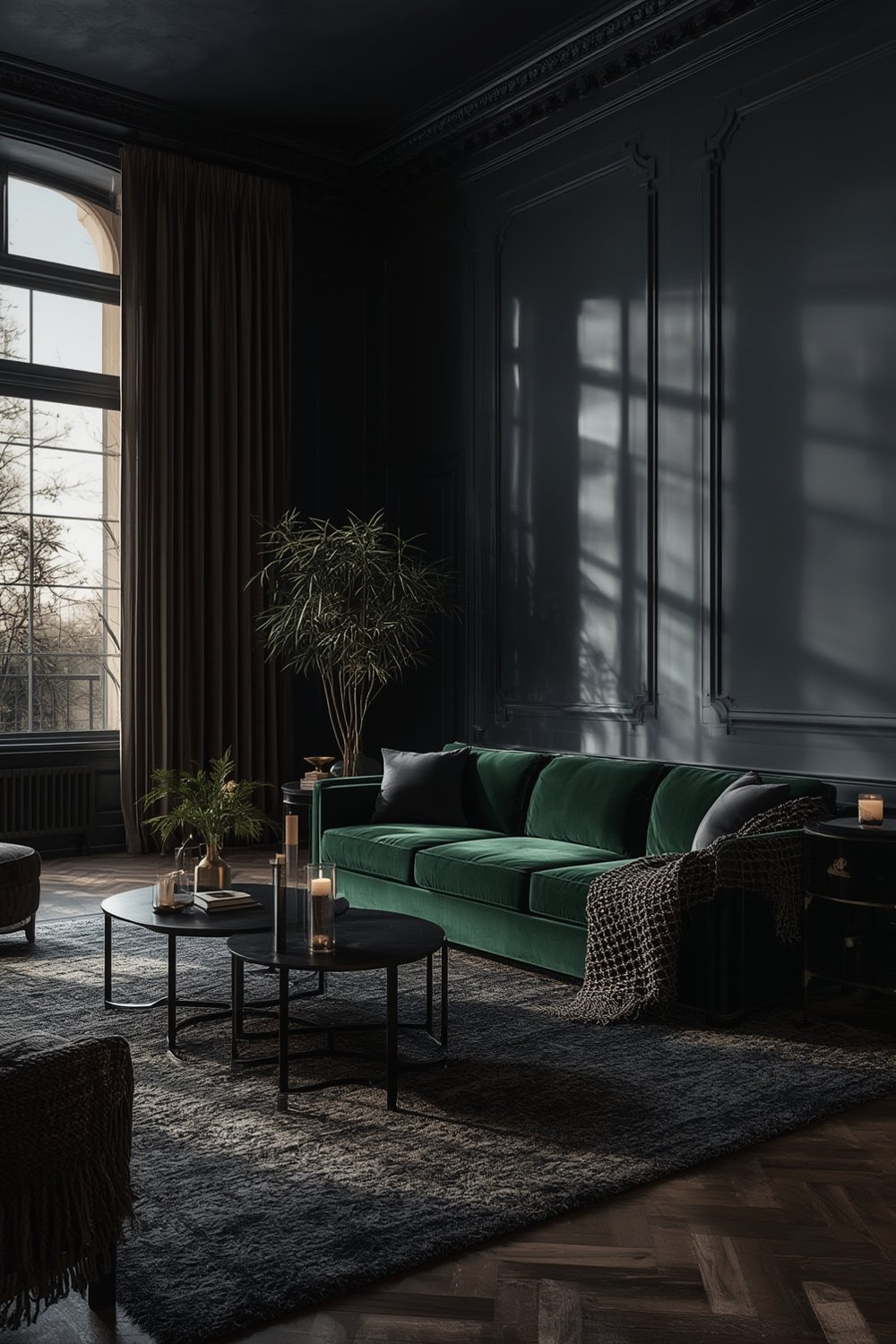
This style has exploded. According to Houzz and NAR, searches for “moody living room” have doubled since 2023, and Pinterest flagged “Western Gothic” as a 2024 core trend. Meanwhile, UK searches for “dark maximalism” shot up 600% in 3 months. Paint companies and designers alike report the fading of cool grays in favor of brown, maroon, olive, and deep blue, citing a move toward emotional comfort and visual depth (LuxeSource, House Beautiful 2025).
But translating those lush online photos to your own home isn’t as simple as grabbing a can of dark paint. Key to moody decor is not just the color, but careful planning—especially lighting, finish, and layering textures—to avoid a cave-like or disconnected feel.
How To Achieve The Perfect Moody Look At Home: Step-by-Step
- Assess Your Space
Note your room’s natural light and flow to adjacent spaces. Moody decor works best in rooms with some daylight; windowless or tiny rooms need extra planning. - Choose Your Color Palette
Look for warm browns (chocolate, caramel), navy, olive, deep maroon, or golds—not just black or charcoal. Paint large swatches and test under day and night lighting. Reference palette ideas from trend reports. - Plan Layered Lighting
Combine overhead, wall, and table/floor lamps with warm bulbs (2700-3000K). Budget for at least two light sources per zone to balance shadows and add dimension. - Select Textures & Materials
Add tactile comfort: velvet, chenille, dark woods, and vintage or metallic accents (brass, antique gold). Soften surfaces with rugs and drapes. - Balance With Light Elements
Don’t drench every surface in dark. Use light rugs, artwork, or metallics for relief. For the ceiling, try the wall color at half strength. - Phased Approach
Start with paint and basic lighting, then layer in textiles and furniture over time—especially useful for renters or those on a tight budget. - Test and Adjust
Live with new colors and lighting for a week before finalizing. Adjust layout or add mirrors if spaces feel closed in.

For more budget-conscious upgrades, try pairing thrifted furniture with a moody area rug and a few smoke-free candles for drama and comfort without a total overhaul. Check out thrifted kitchen styling for inspiration on layering secondhand finds.
If you want your moody space to double as a wellness sanctuary, look at how spa bathroom design trends use similar deep hues and natural materials to create calming, restorative spaces.
Advanced Analysis & Common Pitfalls: What Goes Wrong (And Why)
Despite its rising trend status, moody home decor comes with real pitfalls that leave homeowners dissatisfied. Here’s what research and user reviews reveal most often:
- Rooms Turn Oppressive or “Cave-like”
Too many dark surfaces without lighting or visual relief can make spaces feel small, flat, or harsh. This is especially common when both walls and ceilings are painted dark and there’s only one overhead light. - Disappointing Paint Results
Dark paint colors change dramatically under different lighting. Many users report brown going greenish, or blues looking black, once on the wall—causing regret. - Maintenance Hassles
Matte dark paint shows every fingerprint, water mark, or scuff, especially near switches, shelves, and cabinetry. Dark floors display every speck of dust or pet hair. - Poor Layering and Theme Overkill
Some rooms become too literal (full “Dark Academia” or Western theme) and hard to update without a full redo. Balance inspired pieces with timeless furniture to keep future flexibility.
| Common Mistake | Problem It Causes | How To Fix |
|---|---|---|
| Only using one light fixture | Space feels flat or dreary | Layer lamps, sconces + warm bulbs (2700K) |
| Overusing various dark tones | Cluttered, heavy look | Pick one dark, then add light/mid neutrals |
| Skipping large paint swatches | Color regret post-painting | Test big samples in different light |
| Choosing ultra-matte wall finish | Walls show every mark & are hard to clean | Opt for eggshell or durable matte |
| Matching all furniture to wall color | No contrast; loses drama & comfort | Use lighter or warm neutral furniture/rugs |
Cost is another key concern. 2024 averages for a basic moody living room run $500-$1,500 DIY (paint + lamps), mid-range $2,000–$7,000 (pro painting, new furniture), and $8,000+ for a full designer result. See the detailed breakdown above or try saving on home renovation for tips.
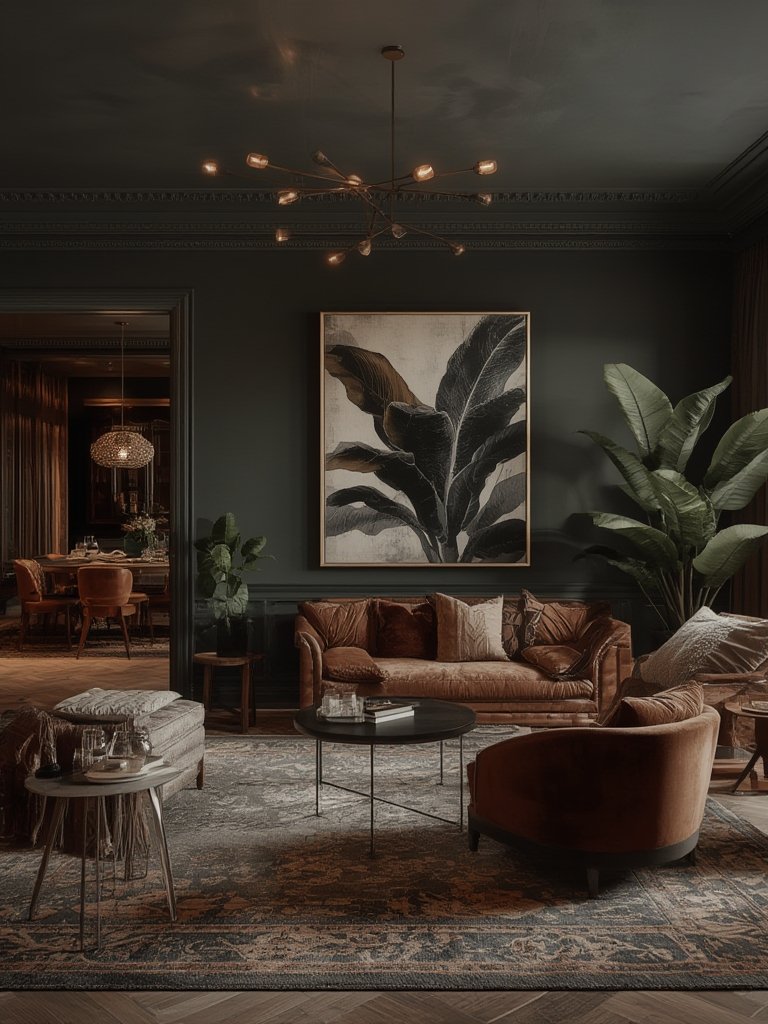
To add warmth and keep things welcoming, layer in organic materials—think burl wood accents, stone, lush textiles, and even biophilic elements like houseplants (biophilic design guide).
Conclusion
The moody home decor trend shows no sign of fading, but real-world results depend on thoughtful color testing, layered lighting, and mixing textures for depth—not just painting everything dark. Start small, layer in warmth via fabrics and lamps, and budget for at least two rounds of tweaks. Experimenting with decorative candle centerpieces or non-toxic candles can also add affordable coziness and drama. With some planning, you can achieve the moody look you love—without the cave-like regret. Ready to transform your space? Choose your palette and get started with moody home decor today.
Moody Home Decor FAQ
What is the best paint finish for moody rooms?
Eggshell or durable matte are best. They’re less reflective than satin, hiding wall flaws, but easier to clean than super-flat matte. Use high-quality, low-VOC paints if possible.
How do I stop my moody living room from feeling too dark?
Add at least two light sources per seating zone—table lamps, sconces, and dimmable overheads in warm white. Balance dark walls with lighter floors, art, or metallic accents to break up shadows.
How much does it cost to create a moody room?
DIY transformations can start around $500 for paint and lamps. Mid-range rooms with pro painting and new textiles run $2,000–$7,000. Custom, high-end designs with new furniture and lighting start at $8,000 and up.
What if I rent or can’t paint the walls?
Use peel-and-stick wallpaper, large velvet curtains, plug-in lamps, and dark textiles for a moody vibe. Layer in dramatic art, removable wall panels, or plenty of decorative candles for atmosphere without permanent changes.
Will moody dark paint hurt my home’s resale value?
Dark rooms can be polarizing for buyers used to light, neutral spaces. If resale is a concern, keep bold colors to a single room or use non-permanent decor touches you can reverse easily before selling.