

Thrifted kitchens are quickly reshaping how homeowners and renters decorate their spaces in 2024. Integrating secondhand finds isn’t just about saving money—it brings character, sustainability, and personalization to the heart of your home. But curating a truly functional, stylish thrifted kitchen isn’t as simple as mixing random vintage items. This raw guide blends current research, actionable steps, sourcing tips, and pitfalls—so you can achieve the look (and function) you actually want.
Key Takeaways
- About 20–35% of homeowners in trend-leading markets now use at least one thrifted or vintage item in their kitchens—interest is growing rapidly.
- Most competitor articles skip actionable frameworks, safety tips, and advanced sourcing channels—meaning you can get better results by going deeper and smarter.
- Expect to save 50–70% by styling your kitchen with secondhand goods, but pay attention to safety, cleanliness, and realistic limitations.
- 1. What Are Thrifted Kitchens? Why the Hype in 2024?
- 2. How to Style a Thrifted Kitchen: Step-by-Step Guide
- 3. Advanced Analysis and Common Pitfalls of Thrifted Kitchens
- 4. Conclusion
- 5. Frequently Asked Questions
What Are Thrifted Kitchens? Why the Hype in 2024?
Thrifted kitchens blend function and style by mixing vintage or secondhand pieces—from cookware and serveware to stools, carts, and decor—into modern cooking spaces. Unlike all-new, uniform kitchens, thrifted spaces pull together mismatched finds, rare appliances, upcycled storage, and playful accents.
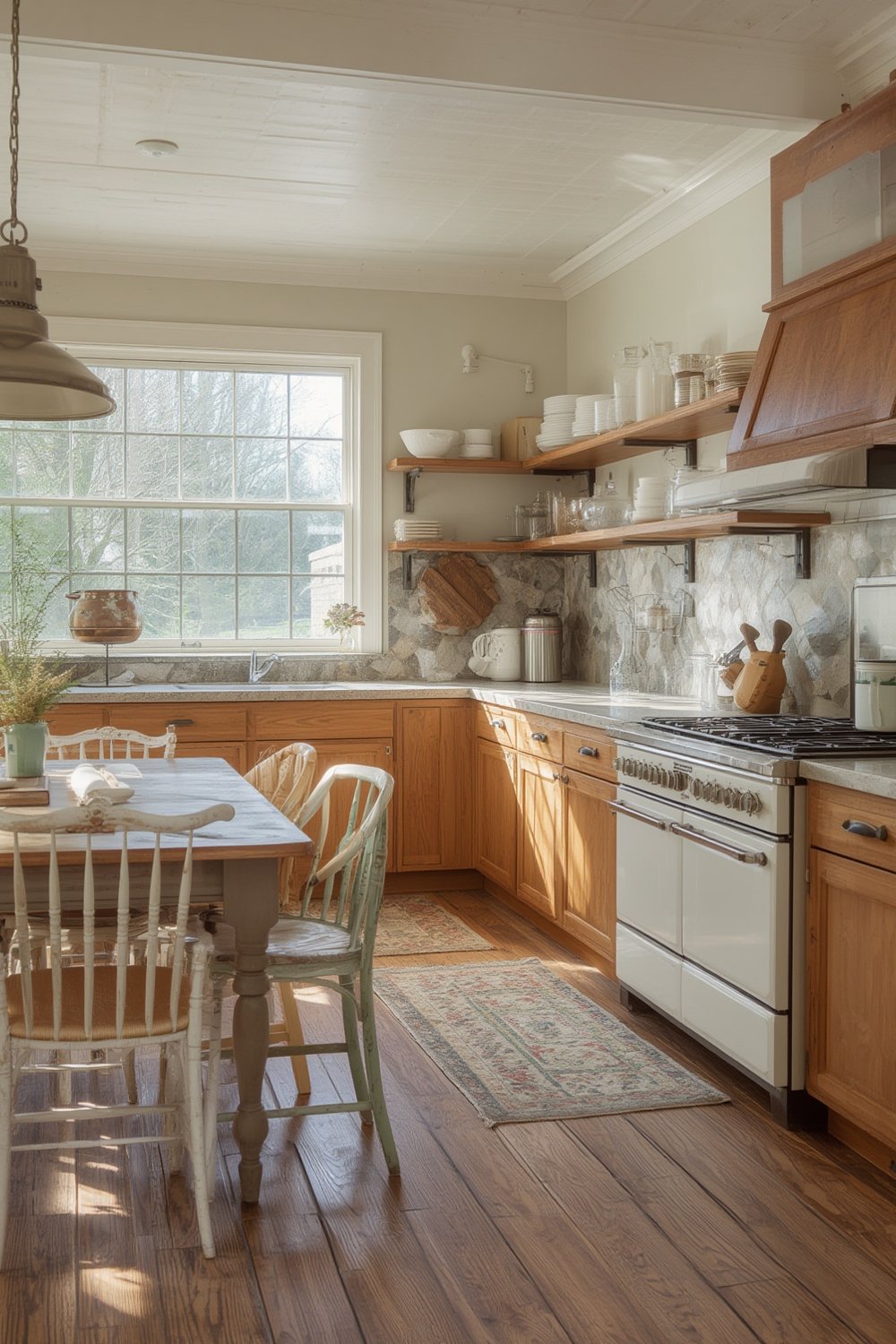
The trend has exploded in 2024 thanks to several forces:
- Massive growth in the secondhand market: As reported by Pinterest’s 2024 predictions, Gen X and Boomers especially are driving “Kitschen”—a term for kitchens styled with thrifted finds and playful color.
- Social search spikes: Interest in thrifted kitchens rose 1,012% across key markets last year (Pinterest/APAC data), echoing global thrift culture growth.
- Cost savings: You typically save 50–70% on styling compared to buying everything new. (See breakdown below.)
- The look is flexible: Whether you want farmhouse, cottagecore, modern-organic, or true kitsch, thrifted finds deliver warmth and stories—if you curate them well.
But don’t just add anything you find to your cart. Common thrifted kitchen items that work best include:
- High-quality vintage cookware (especially cast iron pan and enamelware)
- Eclectic plates, mugs, teacups, and glassware
- Retro-style small appliances and colorful mixers
- Old wooden stools, bar carts, or hutches
- Organization accessories like canisters, jars, and wall hooks
- Table linens, runners, and tea towels
What’s missing from most trend lists? Detailed methods for blending these items into a cohesive, safe, practical kitchen—and hidden sourcing channels that yield the best scores. Let’s dive in.
How to Style a Thrifted Kitchen: Step-by-Step Guide
-
Start with a plan—not just “vibes.”
- Review your current kitchen. Decide which categories you want to thrift (cookware, open-shelf display, stools, organizers, decor, etc.).
- Identify any visual gaps or specific problems you want to solve (like lacking a coffee zone or needing more seating).
- Check if your goal is mainly aesthetics, storage, legit cost savings, or all three.
-
Pick a core palette or “anchor accent.”
- Bring unity to thrifted finds (which are often random) by choosing a main color, metal finish, or motif. For example, prioritize pieces with blue, brass, or floral themes—or strictly mid-century shapes.
- Use this to filter what you buy or keep. Don’t get distracted by every cool item at the thrift store. You’ll thank yourself later for the restraint.
-
Sourcing: Go beyond obvious thrift stores.
- Shop general thrift and charity shops for glassware, serveware, textiles, and basic cookware. These are your lowest-price options, but selection is unpredictable.
- Visit antique malls or curated vintage stores for beautiful sets, rare retro appliances, or farmhouse-style wood furniture. Prices are higher but pieces are often special.
- Check online peer-to-peer marketplaces for local steals on full sets (dining chairs, rolling islands, hutches). Always inspect in person before buying.
- For ultra-functional finds, look up used restaurant supply shops or building salvage centers. You’ll score stainless worktables, prep sinks, or heavy-duty shelving far below retail.
- Don’t ignore estate sales or hotel/restaurant liquidation auctions for real bargains in bulk or commercial-grade gear.
-
Inspect and clean—carefully.
- Check all thrifted items for chips, cracks, stains, frayed cords (for appliances), and signs of mold or pests. Reject anything questionable. Safety comes first.
- Deep clean with appropriate sanitizers, and replace any cushion or textile if heavy odors or stains persist.
- With cookware and ceramics, beware of older glazes and finishes—pieces made before 1980 may not be food safe (FDA guidance here).
-
Integrate thoughtfully—avoid clutter.
- Use “odd one out” pieces as design accents rather than daily-use workhorses, unless in very good condition.
- Group similar items (like a family of blue mugs or canisters) together on open shelves for cohesion.
- Balance bold thrifted elements with neutral backgrounds, so your kitchen feels collected but not chaotic.
- Leave enough prep and storage space. Avoid the temptation to over-decorate with thrifted finds you won’t actually use.
-
Upcycle and refinish for kitchen durability.
- Seal thrifted wood stools, carts, or hutches with food-safe, water-resistant finishes (like mineral oil or polyurethane labeled for kitchens).
- Repaint metal or wood items only with primer and paint rated for repeated cleaning—avoid anything not labeled as kitchen or bathroom safe.
- Add casters to thrifted cabinets for instant rolling storage or coffee stations. Swap out hardware for an easy upgrade in style and function.
-
Use new items strategically.
- Splurge on new for high-risk or high-use items: modern electrical appliances, daily food prep boards, and anything that’s hard to safely clean when thrifted.
- Mix these with your thrifted pieces for the best of both worlds in value and longevity.
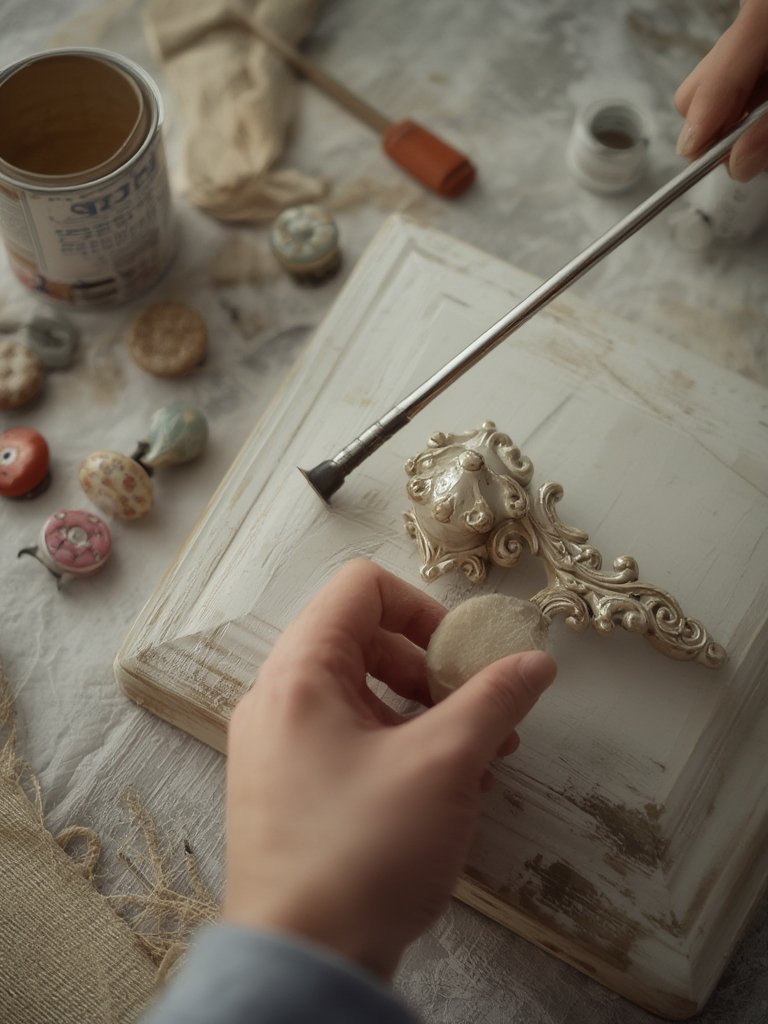
Want to see real-world before-and-after thrift transformations? The Snazzy Little Things $95 kitchen refresh shows how layering thrifted stools, art, and lighting can change both function and style on a tight budget. For ideas on how to layer decorative touches, explore these pillar candle centerpiece ideas or check out Art Deco vintage hacks for mixing eras seamlessly.
Want even more sustainable kitchen upgrades? Our biophilic design guide blends nature-inspired materials and thrifted finds, while this renovation tips article helps keep your big-picture kitchen plans on budget.
Advanced Analysis and Common Pitfalls of Thrifted Kitchens
Not every kitchen is ready for a full thrift transformation. Here are the real frustrations and setbacks to plan for—so you style with confidence and avoid expensive missteps.
- Cleaning and hygiene issues: Deep clean thrifted dishes, mugs, pans, and textiles thoroughly. Watch out for persistent odors and hidden mold (especially in wood and porous materials).
- Safety concerns with vintage pieces: Many older dishes and glasses contain lead. Use pre-1980s ceramics for display, not daily dining or storing acidic food. Home lead test kit. Vintage appliances may have worn electrical components; have a pro check them before plugging in, or keep for show only.
- Durability and function: Inspect all pieces for cracks, wobbly joints, and warping. Some “bargains” break fast, and repairs can add up.
- Finding full sets or matches is tough: Assembling matching sets of dishes, glassware, or stools often takes patience and luck. Don’t expect instant cohesion.
- Blending styles without chaos: Combining eras is fun, but adding every bold thrift find can overwhelm. Without a unifying anchor (color, finish, motif), your kitchen may look jumbled, not curated.
- Not all decor is practical: Old decor jars, non-microwave ceramics, or large vintage appliances may be beautiful, but take up valuable space or aren’t suitable for daily use. Be selective, not sentimental.
| Category | Typical New Retail (2024) | Thrift/Secondhand (2024) | Typical Savings |
|---|---|---|---|
| Cookware (8–10 pieces) | $150 – $400 | $40 – $150 | 50–75% |
| Cast iron pan | $30 – $60 | $5 – $20 | 50–70% |
| Dish set (for 4–6) | $60 – $150 | $20 – $60 | 50–70% |
| Dining stool/chair (each) | $60 – $150 | $10 – $40 | 50–80% |
| Decorative item | $10 – $50 | $1 – $15 | 50–90% |
| Retro appliance | $80 – $400 | $25 – $150 | 40–70% |
Get more specifics—and ways to balance style, wellness, and cost—in our non-toxic candle guide and spa-inspired home tips.
Sources & Further Research:
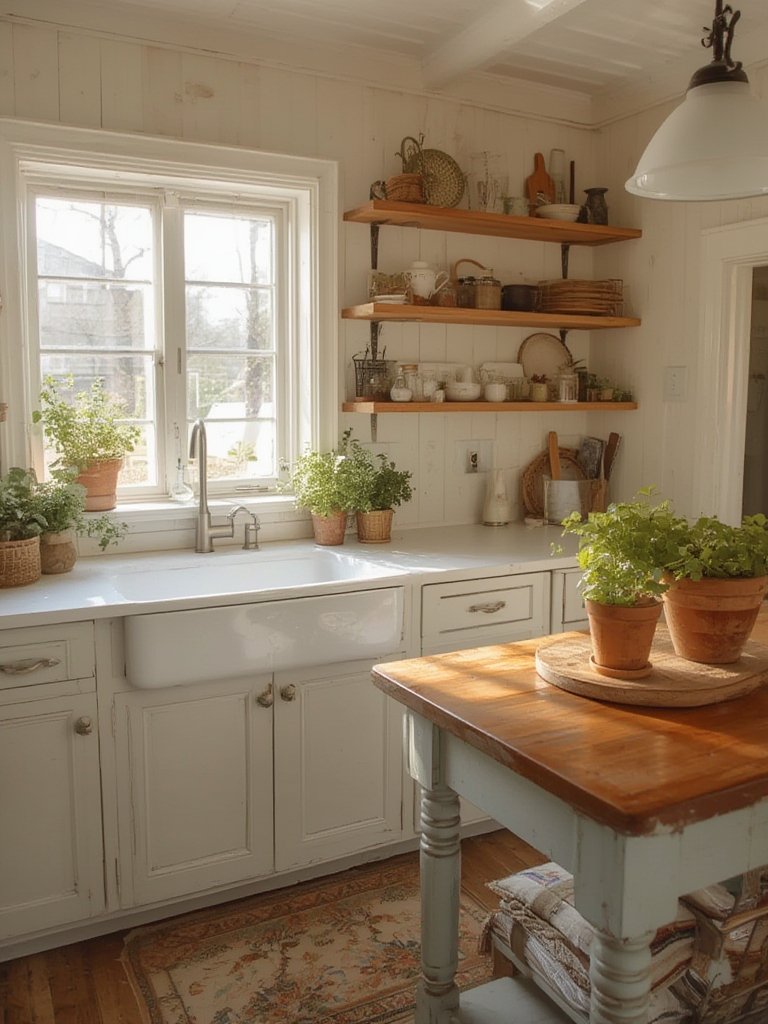
Conclusion
Building a kitchen full of thrifted personality is rewarding—but only if you plan, source safely, and curate with intention. Expect big cost savings, but know the health and function risks of vintage items. Choose accent pieces carefully, and supplement thrifted finds with critical new items as needed. With patience and smart strategy, thrifted kitchens deliver style, sustainability, and a story that no catalog kitchen can match.
Ready to try real-world thrift styling or need ideas for the rest of your home? Explore our outdoor upgrade tips and burl wood furniture guide to keep your spaces looking original and on budget.
Get started on your thrifted kitchen journey today—share your best find or question in the comments below!
Frequently Asked Questions
How do I check if thrifted kitchenware is food safe?
Test ceramics and glassware with a home lead test kit before using for food. If in doubt (especially with pre-1980s or imported items), use for display only. Inspect pans for nonstick coating damage or unknown metals. Prioritize newer pieces for eating and cooking.
What should I always buy new instead of thrifted?
Buy new when it comes to electric kitchen appliances (unless you or a pro can confirm safety), cutting boards, and any item in frequent direct contact with raw food. These are higher risk for damage, hidden contamination, or electrical hazards.
Are thrifted items safe for homes with young kids?
Use caution. Stick to newer, easy-to-clean thrifted items. Avoid vintage painted pieces with chipped finishes or anything that could contain lead. Anchor all shelves and heavy furniture securely. Clean textiles and plush items thoroughly or buy new if possible.
What are the best places to find high-quality thrifted kitchen pieces?
Start locally at charity shops, antique malls, or building salvage stores for basics. Online peer-to-peer marketplaces often offer entire sets for less. Check used restaurant supply for durable cookware and shelving. Estate sales and hotel auctions can yield bulk bargains on furniture and serveware.
How do I make mismatched thrifted items look intentional?
Build around a single anchor color, finish, or motif. Group similar items in clusters. Use accent pieces as focal points and keep other elements more neutral. Edit regularly for visual balance instead of overcrowding with every cool find.