

Ai air fryer technology is changing the way home cooks achieve crispy, golden results with less oil and hands-on effort. In 2026, smart air fryers with AI-powered features are reshaping kitchen routines by reducing guesswork, streamlining everything from chicken wings to roasted veggies, and connecting your cooking to intuitive recipe apps.
Key Takeaways
- AI air fryers use sensors and adaptive intelligence to automatically adjust temperature and cooking times for consistent, hands-off results.
- In 2026, smart/AI air fryers represent a fast-growing segment—driven by demand for convenience, app integration, and healthier home-cooked meals.
- Users should be aware of gaps in recipe customization, potential privacy risks, and limited long-term reliability data for new AI air fryer models.
- What Are AI Air Fryers and Why Are They Different?
- Step-by-Step Guide to Using an AI Air Fryer
- Advanced Analysis & Common Pitfalls
- Conclusion
- FAQ
What Are AI Air Fryers and Why Are They Different?
AI air fryers combine rapid hot-air cooking technology with artificial intelligence, sensors, and smart connectivity. While traditional air fryers rely on preset times and manual adjustments, AI air fryers actively monitor food—with some models using cameras or weight sensors—and adapt in real time for the best texture and doneness. Their promise: better, more reliable results with less attention from the user.
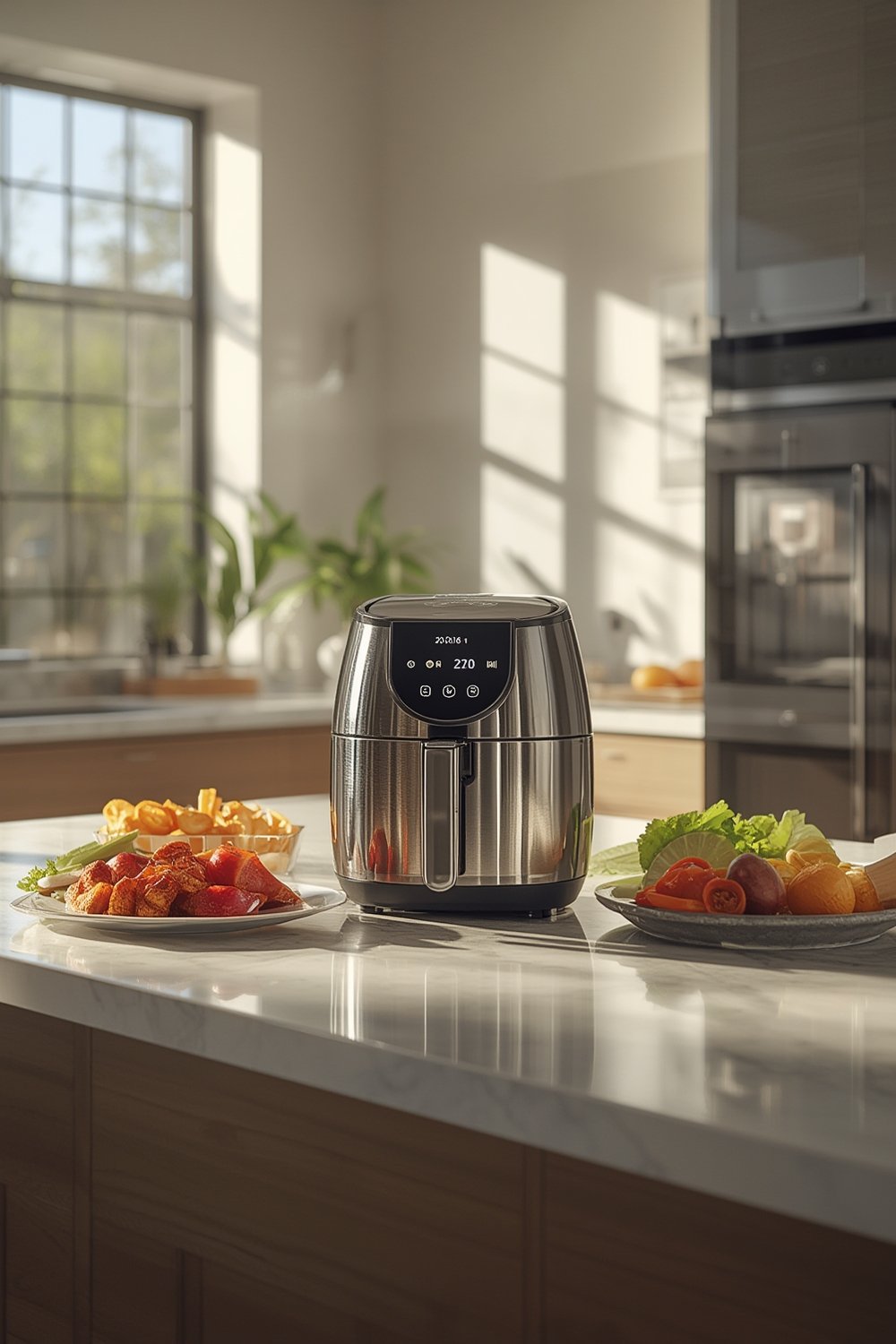
Leading brands like Philips and new players such as Chef AI are integrating deep learning algorithms that adjust for food size, shape, and composition. Most 2026 models offer:
- WiFi/App control (Google Assistant compatibility is standard)
- Automatic temperature/time adjustment via AI decision-making
- Recipe libraries and step-by-step guidance inside companion apps
- Reduced oil cooking—ideal for healthier meal preparation
- Versatile options: air fry, bake, grill, roast, and sometimes broil
Globally, the air fryer market is sizable (estimated between $963M and $1.45B in 2024), with 64% of all units sold being digital/smart, a category that includes AI-enhanced devices. North America and the US, in particular, are fueling this growth with a hunger for convenience and innovation. See the Strategic Market Research report for more details or review the Grand View Research market analysis for historical growth curves.
Notably, while most air fryers are now digital and connected, true “AI” models are newer. This means many features, such as recipe customization or deep sensor-driven adjustments, are still being refined. That’s why reading beyond the spec sheet is critical before investing.
For those drawn to trends in wellness and smart kitchens, AI air fryers complement other connected devices, just like a smart home thermostat does for climate control.
Step-by-Step Guide to Using an AI Air Fryer
- Unbox and Set Up: Place your AI air fryer on a flat surface. Download the manufacturer’s app on your smartphone. Plug in and power up the device.
- Connect to WiFi and the App: Open the app, create an account if required, and follow in-app prompts to connect the air fryer to your home WiFi. Most models are compatible with Google Assistant—link if desired.
- Choose a Recipe or Start Manual Mode: Browse integrated recipe libraries in the app, or select “manual” to explore your own ideas. For select ingredients (chicken, frozen fries, vegetables), pick the AI-guided mode.
- Load Food Intelligently: Space out items evenly in the basket; do not overcrowd. The AI will use sensors (if present) to assess food size and thickness, so consistency helps.
- Initiate Cooking: Start the recipe in-app, or press start on the unit. The AI model will monitor food and adjust time and temperature as needed. Some models (like Chef AI) may pause automatically when food is done.
- Check Doneness (If Needed): Visual notification or app prompts may confirm when cooking is finished. For unfamiliar recipes, spot-check the first few times.
- Clean Up Smart: Most baskets are nonstick and dishwasher-safe. Follow app guidance for periodic descaling or firmware updates to keep sensors accurate.
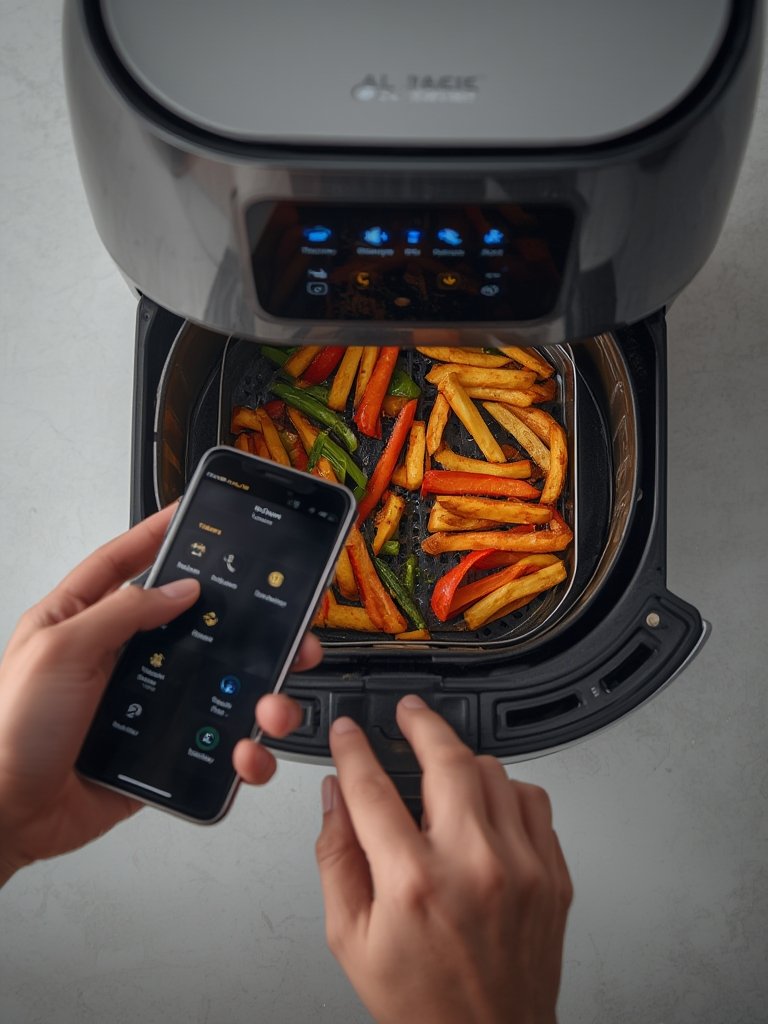
Combining voice control with app recipes enables hands-free cooking. If you love streamlined home automation, these features align well with routines you’d use in a voice-controlled smart home or while scheduling family meals on a smart family calendar.
Remember, reliance on the app means keeping your firmware updated for the latest features and keeping an eye on notifications about new cooking modes or recipes.
Advanced Analysis & Common Pitfalls
Despite their promise, AI air fryers present challenges users need to consider candidly:
- Recipe Customization Is Limited: Most models focus on preset options and app libraries. Deep, granular control over recipe parameters or alternate ingredients is not available yet—meaning creative or dietary cooks may find limitations.
- Unclear Data Privacy: No reputable brand clearly discloses how it handles usage or voice/food data collected by connected apps or Google Assistant. If kitchen privacy matters, this should raise concerns.
- Long-Term Reliability Is Unproven: AI-equipped fryers are new to the market, and there’s little to no data on how sensors or software stand up after years of kitchen use.
- No Independent Performance Tests: As of mid-2024, no third party has benchmarked AI air fryers against traditional or even standard “smart” models on cooking results or energy use [source].
- Pricing Transparency Lacking: There’s no concrete pricing data separating AI/app-enabled fryers from their non-smart peers, but you can expect to pay a premium for early-adopter tech.
- No Reviews on Usability or Cooking Accuracy: There’s a lack of verified owner feedback, so it’s hard to know how successful these features are in day-to-day use.
| Feature | AI Air Fryer | Standard Digital Air Fryer |
|---|---|---|
| Temperature/Time Adjustment | Automatic, AI-driven | Manual or preset only |
| Sensors for Food Thickness/Weight | Yes (in select models) | Rare/None |
| App & Voice Control | Standard with WiFi models | Occasional (Google Assistant) |
| Recipe Libraries | Extensive, but limited customization | Preset only |
| Privacy/Data Handling | Not transparent | Not transparent |
For users who want a chemical-free solution or are concerned about pan coatings, consider a non toxic air fryer as an alternative. Explore further to find out which models focus on healthy home options in kitchen appliances.

If you’re considering transforming your cooking setup further, pair your AI fryer with the principles from European kitchen design for a streamlined, tech-forward feel.
Conclusion
AI air fryers offer automatic adjustments, integrated apps, and a close step toward genuinely hands-off home cooking. While the market is booming and features are appealing, potential buyers should be mindful of the unresolved issues—privacy, lack of long-term data, and limited recipe flexibility. Test real-world workflows before making the switch, and always keep software up to date to get the best out of your new ai air fryer.
Ready to make your kitchen routine smarter and more convenient? Research specific models, compare for the features that matter to you, and consider how an AI air fryer can fit into your overall smart home plan.
FAQ
What makes an AI air fryer different from standard or digital models?
AI air fryers use sensors and adaptive software to automatically adjust temperature and cooking time based on the actual food loaded, while standard digital models rely on fixed presets or manual settings.
Are AI air fryers worth the extra cost?
For many, the convenience and hands-off results justify a higher cost, especially if you value consistent cooking. However, some might find current recipe/customization options limited and should weigh the benefits against your own cooking habits.
Do AI air fryers collect data about my cooking or kitchen use?
Most AI or smart air fryers collect some usage or recipe data via their apps and voice integrations, but there’s little transparency about how this data is used or stored. If privacy is a concern, research the brand’s policies before purchase.
Can I customize or add my own recipes in the app?
Most apps focus on preset recipes and guided options, and do not yet allow deep customization or storing detailed personal recipes. This is one of the major gaps in the current generation of AI air fryers.
How reliable are AI air fryers for long-term daily use?
There is not yet enough owner data or independent testing to confirm the long-term reliability of AI sensors, components, or software in these units. Consider warranty and support before buying.