

Cold plunge sauna combos are exploding in popularity, promising faster recovery and a backyard spa experience at home. But is the hype justified—and what’s the real truth about installation, costs, and results? Let’s break down exactly what you need to know before investing in a backyard sauna cold plunge setup.
Key Takeaways
- The cold plunge sauna combo market is booming, but clear data on true user satisfaction, costs, and technical details is still missing in 2026.
- Most guides skip hard facts about installation headaches, maintenance, and electricity or water requirements—plan ahead to avoid surprises.
- Expect ongoing upkeep and budget for both the purchase and the real-world energy and care that come with a dual setup.
- What Is a Cold Plunge Sauna Combo and Why Try It?
- How to Set Up a Cold Plunge Sauna in Your Backyard: Step-by-Step
- Advanced Analysis & Common Pitfalls
- Conclusion
- FAQ
What Is a Cold Plunge Sauna Combo and Why Try It?
A cold plunge sauna combo means pairing a traditional or infrared sauna with a cold plunge tub or pool, letting you move quickly from intense heat to icy-cold water (“contrast therapy”) for dramatic physical and mental effects. These setups—once exclusive to spas and gyms—are now showing up in backyards across North America, thanks to the wellness movement, athletic recovery trends, and social media biohacking.
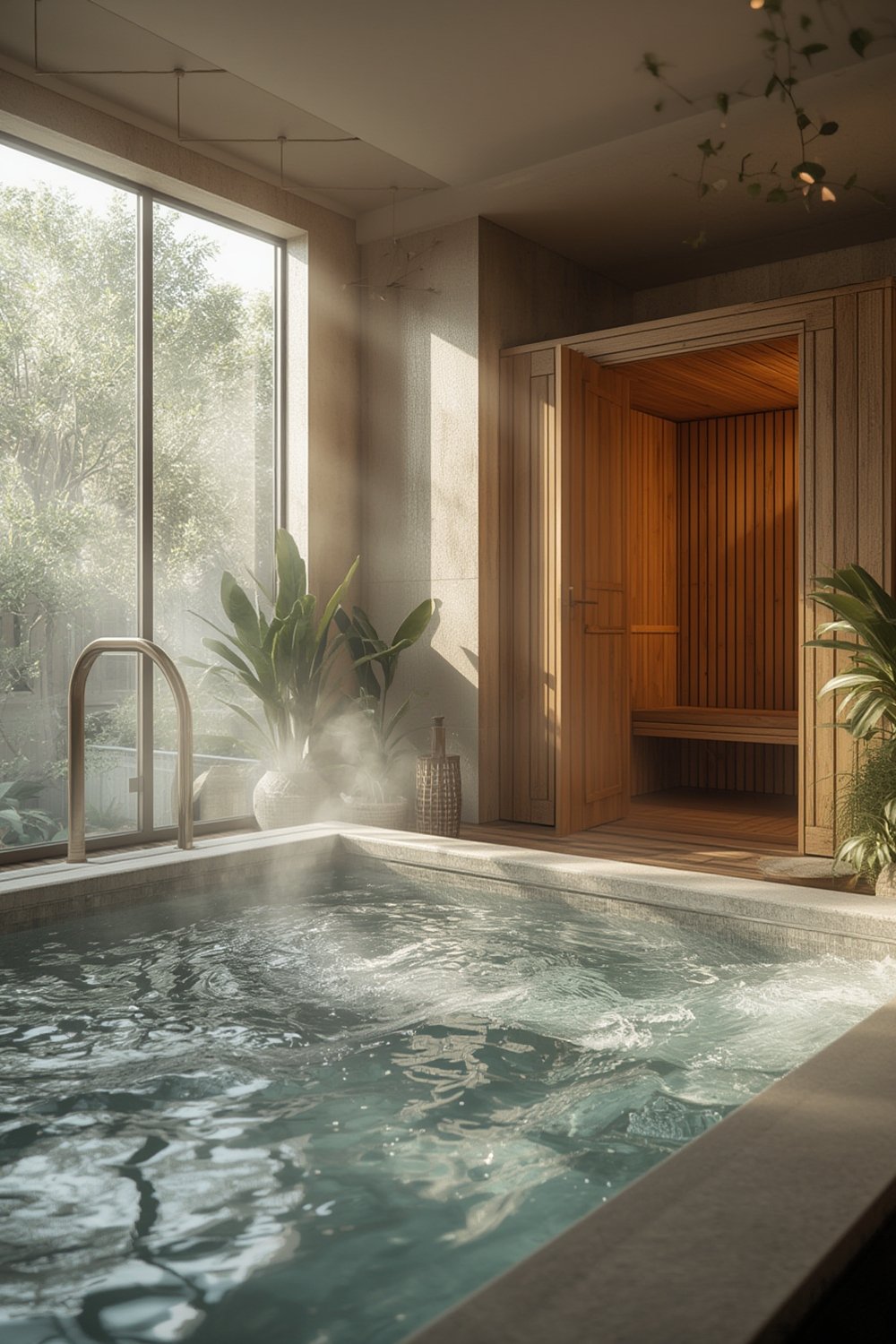
Market data reveals the global cold plunge pool market hit USD 746.65 million in 2024 and continues to grow fast at over 5% annually. Outdoor and residential setups—especially backyard tubs—dominate, as homeowners strive for spa-like wellness spaces at home. Medium-sized combos are most popular for personal use, integrating a sauna and a cold plunge for year-round therapy. Still, detailed technical specs, user challenges, and cost transparency remain scarce.
If you’re inspired by at-home wellness projects—like creating spa-like bathrooms or adding outdoor living features—a cold plunge sauna could be your next upgrade.
How to Set Up a Cold Plunge Sauna in Your Backyard: Step-by-Step
- Research legal requirements in your location (building codes, electrical permits, water use restrictions, HOA rules).
- Assess your outdoor space: You’ll need a level foundation and enough area for both units plus safe walking paths. Medium-sized setups are most common for home installs; aim for at least 8×12 feet clear zone.
- Select and order your equipment: Choose a sauna type (wood-fired, electric, or infrared) and a cold plunge (tub, pool, or ready-to-plunge chiller system). Ask for detailed installation manuals and energy requirements up front.
- Prepare the ground: For above-ground tubs and small saunas, a reinforced concrete slab or paver base is best. Make sure a licensed electrician handles wiring—most saunas and cold plunges are not safe for DIY electrical work.
- Install water and drainage for the plunge tub, ensuring easy access for emptying and cleaning. Some chiller/circulator systems need permanent plumbing—get a pro if unsure.
- Set up the sauna per manufacturer instructions: Position for safe distances from buildings, add ventilation, and treat the wood against the elements if needed.
- Test all systems: Fill and chill the plunge; heat and check ventilation in the sauna; verify all connections and ground fault protection.
- Develop a maintenance schedule for water sanitation, filter cleaning, and wood care to protect your investment long term.
Want even more smart home savings? Consider pairing your sauna with a smart thermostat system to automate preheating in winter and manage your home’s energy use more efficiently. This matches the low-maintenance, high-efficiency goal that many cold plunge sauna users have in mind.
If you need waterproofing advice for the area, check out our guide to wet room installation for tips that also apply to outdoor spa setups.
Advanced Analysis & Common Pitfalls
Here’s what market reports and competitor guides don’t tell you: the toughest issues usually show up after installation, and homeowners rarely find honest reviews on maintenance or issues with their sauna cold plunge combo. Let’s break down where things really go wrong and what you should expect as a buyer.
| Aspect | What Most Articles Say | Reality / Pitfalls |
|---|---|---|
| User Experience | Everyone loves it—no problems mentioned | No reliable data on negative experiences; many silent on leaks, breakdowns, or dissatisfaction after purchase |
| Technical Specs | “Easy install, fits most yards” | No detailed specs for space, electric, plumbing; commercial setups dominate data, leaving residential buyers in the dark |
| Costs | “Premium upgrade for self-care” | No real breakdowns of purchase, install, or running costs—actual expenses may be thousands higher than expected |
| Maintenance | Low-maintenance, “set and forget” vibes | No info on water changing, filter cleaning, wood care, chiller repairs—expect ongoing effort and costs |
| Health Claims | Major benefits (recovery, stress, inflammation) | No scientific evidence comparing combo vs. standalone therapies; mostly anecdotal or marketing-driven |
For even deeper analysis on cold plunge tubs specifically, don’t miss our full garage plunge setup guide with actionable, brand-agnostic advice.
Keep in mind, market research shows the outdoor cold plunge segment is dominating at nearly 57% share, but almost all reports ignore the realities of backyard maintenance or long-term energy use. This is similar to challenges found with high-end freestanding bathtub installations where real-world upkeep is overlooked.
Conclusion
Investing in a cold plunge sauna combo can change how you recover, relax, and upgrade your home—just don’t buy into the myth that it’s hassle-free. Costs are poorly reported, technical requirements are unclear, and no one’s sharing honest user struggles in 2026. Before you order, do your homework and build in extra budget, time, and patience for maintenance and setup. If you want a true stress-free oasis, keep researching, get multiple quotes, and consider talking with people who’ve actually installed a cold plunge sauna at home.
Ready to plan your backyard spa? Start by learning more about spa-like upgrades, explore our best spa bathroom design tips, or see how outdoor improvements can increase your home’s ROI with this backyard ideas guide.
FAQ
Is it hard to install a backyard sauna cold plunge combo?
Yes, installation usually requires professional electrical wiring, plumbing, and a reinforced base. DIY installs are risky unless you have specialized experience.
How much space do I really need?
Plan for at least 8×12 feet clear for a medium setup, plus room to move safely between units. Some combos need more, especially for large families or entertaining.
What are the ongoing maintenance needs?
You’ll need to sanitize the plunge water, clean filters, check for leaks, and treat any exterior wood. Expect seasonal checks and possible repairs for chillers and heaters.
How does this compare to using only a sauna or only a cold plunge?
The “contrast therapy” effect is popular for athletic recovery and stress relief, but there’s no published research proving combos are measurably better than using just one or the other.
Are operating costs expensive?
Yes, chillers, heaters, and electric saunas use significant power. Plan for increased utility bills, water use, filter replacements, and occasional repairs.