

Cold plunge tub setups are taking over home wellness routines in 2024, offering faster muscle recovery and a daily boost of mental clarity right at home. But real success in creating a cold plunge space—especially in a garage or spare room—means navigating market dynamics, technical requirements, and some hidden challenges.
Key Takeaways
- The cold plunge tub market is booming, with residential demand growing over 7% yearly as people bring wellness therapies home.
- Setting up a cold plunge tub at home involves technical safety checks, smart budgeting, and planning for challenges like drainage and insulation.
- Small mistakes—like ignoring ventilation or relying on unreliable DIY fixes—can lead to extra costs or even safety issues.
- What is a Cold Plunge Tub & Why Are At-Home Setups Surging?
- How to Set Up a Home Cold Plunge Tub: Step-by-Step Guide
- Advanced Analysis & Common Pitfalls When Setting Up a Cold Plunge Tub
- Conclusion: The Smart Approach to Cold Plunge Tub Wellness
- FAQ: Cold Plunge Tub Setup & Use
What is a Cold Plunge Tub & Why Are At-Home Setups Surging?
Cold plunge tubs are deep, compact tubs filled with cold water, designed for rapid immersion at home. They’re used by athletes, wellness seekers, and anyone looking to reduce inflammation, recover faster, and strengthen mental resilience—all from the comfort of their own space.
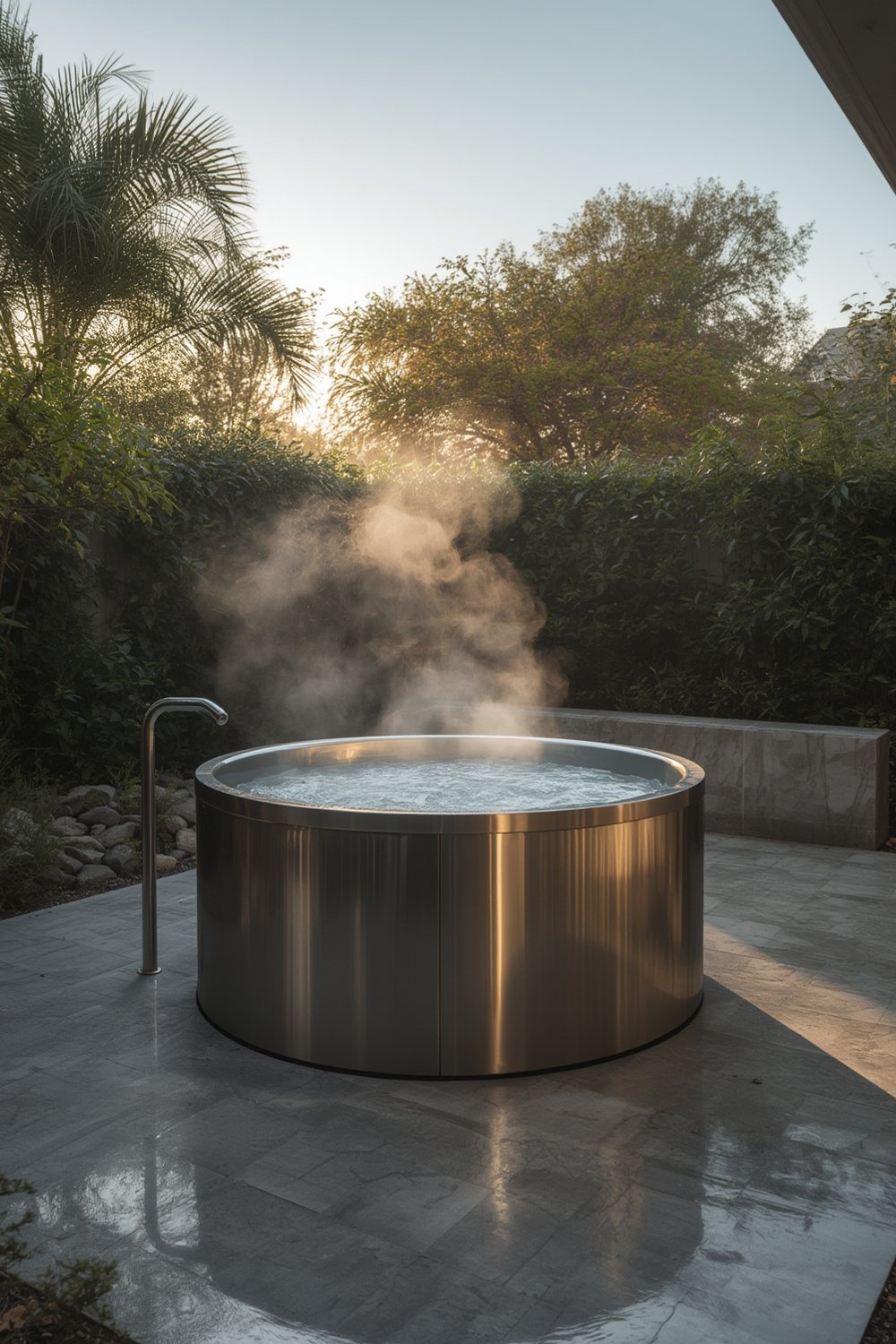
The cold plunge tub market hit up to $366 million in 2024 and is expected to grow sharply as more people want spa-grade recovery at home. In North America, demand is led by the rise of biohacking, daily recovery rituals, and the shift toward wellness-friendly home design. The fastest growth? It’s happening in the residential sector, with home cold plunge sales expected to rise over 7% annually from 2025 onward (source).
While commercial spas still dominate overall sales, homeowners are now building cold plunge spaces in garages, basements, and even bathrooms—hoping for better sleep, lower stress, and stronger immunity. This shift is also tied to the trend for spa-like bathrooms and wellness-centered renovations, with more people investing in dedicated routines right at home.
How to Set Up a Home Cold Plunge Tub: Step-by-Step Guide
Ready to bring a cold plunge tub into your home? Here’s a practical process to help you get results without expensive mistakes or safety headaches:
- Choose Your Tub Type: Decide between DIY builds (like stock tanks), pre-built models, or fully professional installations.
- DIY stock tanks: Budget-friendly but require add-ons for cooling and proper drainage.
- Pre-built plunge tubs: Plug-and-play, compact, but pricier upfront.
- Professional installations: Spa-quality experience, but with the highest cost and space demand.
- Select a Safe Location: Garages, finished basements, and outdoor covered areas are most common. Ensure proximity to power for chilling units, good drainage, and adequate ventilation.
- Prep the Area: Inspect floors for drainage slopes, install a waterproof mat, and check that you have a nearby GFCI outlet. For garages, consider extra insulation and a dehumidifier for humidity control.
- Plan Drainage & Fill: Use gravity drains if possible, or plan a sump pump for below-grade setups. Connect a hose bib or nearby faucet for convenient filling.
- Install Chiller/Filtration: For water safety and stable low temps (39°F to 55°F), use a chiller system and/or filtration unit. Cheaper DIY setups may need frequent water changes—factor in time and ongoing costs.
- Test & Insulate: Test for leaks with a trial fill. Use foam board or spa covers to minimize heat gain (or loss) and reduce energy bills.
- Integrate Safety Features: Add non-slip steps or flooring, a lockable cover (for child/pet safety), and waterproof GFCI protection for all electrical gear.
- Monitor Temperature: Use a waterproof digital thermometer. If you have a smart home, consider integrating your tub chiller with a smart thermostat system for automated controls.
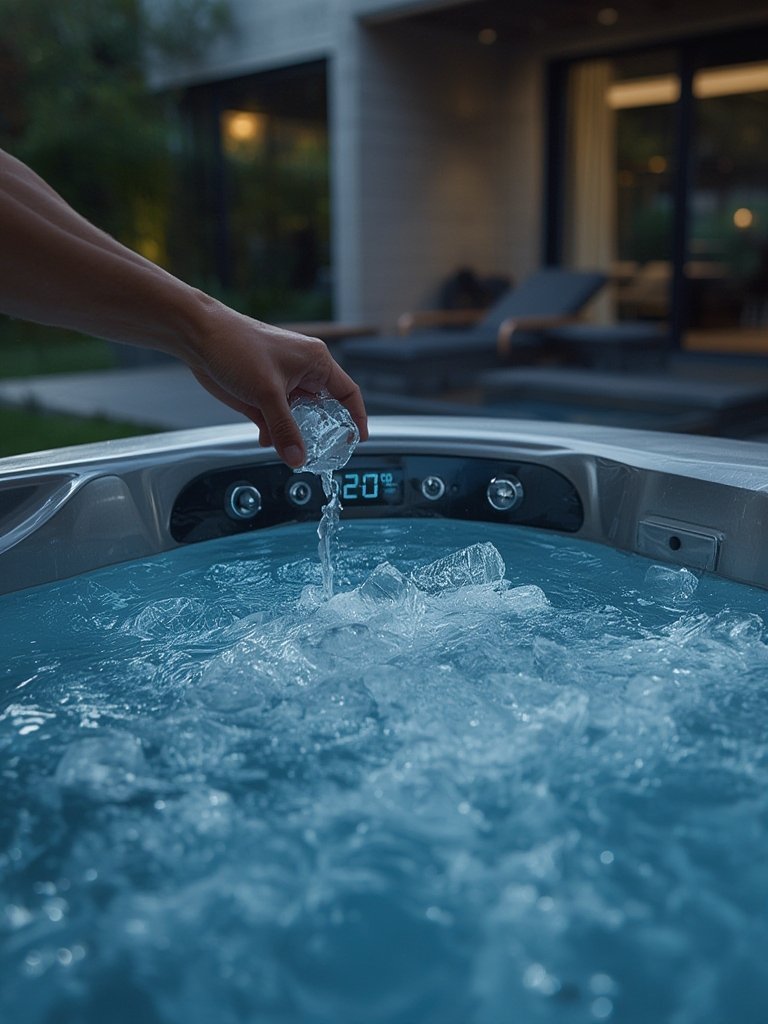
Tip: If you’re also remodeling your bathroom for relaxation, combine your cold plunge tub setup with freestanding bathtub installations or even a watertight wet room. This creates a multi-purpose wellness space and can save on plumbing fees if planned together. Don’t forget safe, warm lighting—see layered lighting options here.
Advanced Analysis & Common Pitfalls When Setting Up a Cold Plunge Tub
Home cold plunge tubs can transform daily routines, but plenty of hidden snags trip up new buyers. Here are the most common problems and workarounds:
- Poor drainage leads to flooding. Sloped floors, sump pumps, and easy-access drain lines are a must—never skip this.
- Insufficient insulation creates high energy bills. Use foam wrap and insulated covers for both the tub and exposed hoses.
- Humidity and ventilation are ignored in garage/basement setups. This causes mold or odors. Always use an exhaust fan or dehumidifier.
- Electrical safety is overlooked. Always install dedicated GFCI outlets and ensure all chillers are waterproof-rated. Don’t rely on standard extension cords outdoors.
- Poor water quality without filtration. DIY stock tanks demand frequent draining or risk algae/bacteria. Pre-built models usually include UV or cartridge filtration—ask before you buy.
| Option | Initial Cost | Ongoing Costs | Ease of Setup | Maintenance |
|---|---|---|---|---|
| DIY Stock Tank | $200 – $600 | Higher (water/ice, periodic cleaning) | Difficult (plumbing/drainage required) | Manual draining and cleaning |
| Pre-built Cold Plunge Tub | $2,500 – $6,000+ | Moderate (filter, energy use) | Easy (plug and play) | Filtration, occasional draining |
| Professional Installation | $6,000 – $25,000+ | Low (automated systems) | Very easy (turnkey) | Low (service contracts) |
When deciding which route is right, weigh:
- Upfront vs. ongoing costs. Cheaper setups often require more frequent cleaning and water/ice costs; high-end models can lower these burdens.
- Safety and warranty coverage. Pre-built and pro options usually include longer warranties and support but check details—some brands have reported service delays.
- Integration with other home upgrades. Pairing your cold plunge project with other wellness or smart home initiatives can increase home value. Consider ideas from biophilic design and outdoor living spaces to create a full wellness oasis.
Market research indicates that while negative reviews and warranty issues are reported, the most frequent frustration is underestimated maintenance—particularly water cleanliness and mechanical chiller issues (see market insights). Commercial-grade durability should be considered for daily or shared-use environments.
For deeper data and forecasts, check the latest reports from SkyQuest and Persistence Market Research.
Conclusion: The Smart Approach to Cold Plunge Tub Wellness
Home cold plunge tub setups are more achievable than ever—as long as you plan carefully, prioritize safety, and avoid common installation mistakes. Whether you go DIY or invest in a luxury pre-built solution, being realistic about space, drainage, electrical, and ongoing maintenance is the key to a safe, effective cold therapy routine. Start building your at-home recovery sanctuary today with the right cold plunge tub and enjoy real wellness results in your own space. Looking for more proven ways to create a healthy, inspiring home? Explore our other guides and wellness resources.
FAQ: Cold Plunge Tub Setup & Use
How cold should the water be in a cold plunge tub for best results?
Most experts recommend between 39°F to 55°F. Beginners should start on the warmer end and reduce over time. Always check your tolerance levels for safety.
Can I set up a cold plunge tub in my garage or basement?
Yes, but you must address drainage, insulation, ventilation, and electrical safety. Poor airflow or water pooling can lead to serious damage or mold.
What maintenance does a home cold plunge tub require?
All home plunge tubs demand regular water changes, cleaning, and filter replacement. DIY setups require more manual work, while pre-built models often include automatic filtration systems.
Are cold plunge tubs safe for kids or pets?
Cold plunge tubs are not recommended for children without supervision. Always use a locking cover to prevent accidental falls and keep pets away from the tub area.
Does using a cold plunge tub really promote faster recovery?
Research shows cold water immersion can reduce muscle soreness and support recovery when used regularly. However, results vary and it should complement—not replace—medical guidance and proper training.