

Fluted glass cabinet upgrades are one of the smartest, most affordable ways to modernize kitchens, bathrooms, or storage without a major renovation. Whether you crave that designer look or just want to hide the clutter, fluted glass doors bring texture and elegance at a fraction of the cost of new cabinets.
Key Takeaways
- DIY fluted glass cabinet doors are far more budget-friendly than buying new cabinets, with options starting around $8 per set.
- Key technical details like silicone compatibility, trim painting, and film bubble management are often skipped by other guides—these matter for a professional finish.
- Most DIYers face challenges with cutting precision, bubble removal, and securing trims, but these can be overcome with the right tips and techniques.
- What Is a Fluted Glass Cabinet & Why Choose It?
- DIY Fluted Glass Cabinet: Step-by-Step Guide
- Advanced Analysis: Real-World Pitfalls & DIY Comparisons
- Conclusion
- Frequently Asked Questions
What Is a Fluted Glass Cabinet & Why Choose It?
Fluted glass cabinets use ribbed, reeded, or “fluted” glass in the doors to create visual texture and partial privacy for items inside. The glass diffuses light and hides contents, unlike standard transparent panes. In 2026, the look is popular for affordable upgrades, especially thanks to easy DIY methods using real glass, plexiglass, or specialty window films.

Most renovators choose fluted glass cabinet doors to:
- Add an architectural element and sense of depth, even to basic cabinets
- Disguise clutter in kitchens, baths, or living rooms without making storage totally opaque
- Borrow designer style for less—many premium brands use fluted glass in new lines, but DIY hacks achieve a similar finish for under $60
Fluted glass is highly adaptable: you can retrofit nearly any cabinet style, including mid-century, Scandinavian, or farmhouse looks. For a deeper dive into modern kitchen transformations, see our guide on Organic Modern Kitchen Decor.
DIY Fluted Glass Cabinet: Step-by-Step Guide
Tackle this project in a weekend with minimal tools using one of three DIY-friendly methods: real glass/plexiglass inserts, adhesive “reeded” window film, or creative trim molding. Here’s how to get beautiful results for any budget or skill level:
- Measure & Plan. Decide whether to use actual fluted glass, acrylic (plexiglass), or reeded window film. Remove the cabinet doors and measure the panels to be replaced or covered.
- Remove Existing Panels (for Inserts). Mark panel cutouts and score multiple times with a utility knife (if the door is hollow-core), or use a jigsaw if solid. Clamp securely and tape cut lines to prevent chipping. For a visual guide, see the step-by-step process on this resource.
- Prepare Glass or Plexiglass. If using plexiglass, order sheets to size or cut your own. Score five to eight times with a sharp blade and snap cleanly between two boards. For glass, most shops will cut to size for you; always handle with gloves.
- Install Window Film (If Using). Clean glass thoroughly with isopropyl alcohol. Mix 5-8 drops of dish soap in a spray bottle with water, spray glass, then apply film. Smooth bubbles with a squeegee or credit card, respraying if needed to avoid scratching the texture. As shown in popular DIYs (source), take your time here—bubbles are the most common frustration.
- Insert Panels. Drop the cut glass or plexiglass sheet into the door from the back. Secure with a thin, consistent bead of the correct silicone along the edges. Use painter’s tape to hold it in place as it dries (at least 24 hours).
- Add or Paint Trim. Use 5/16″x11/16″x8′ screen molding or similar to frame the glass edges. Paint both sides of the trim so they look seamless from inside and out, and let dry fully before installation. Attach with pin nails or finishing nails, checking for gaps.
- Re-hang & Check Fit. Reinstall doors. For shelf sagging (if any), replace cracked or inadequate shelves with new material cut to fit.
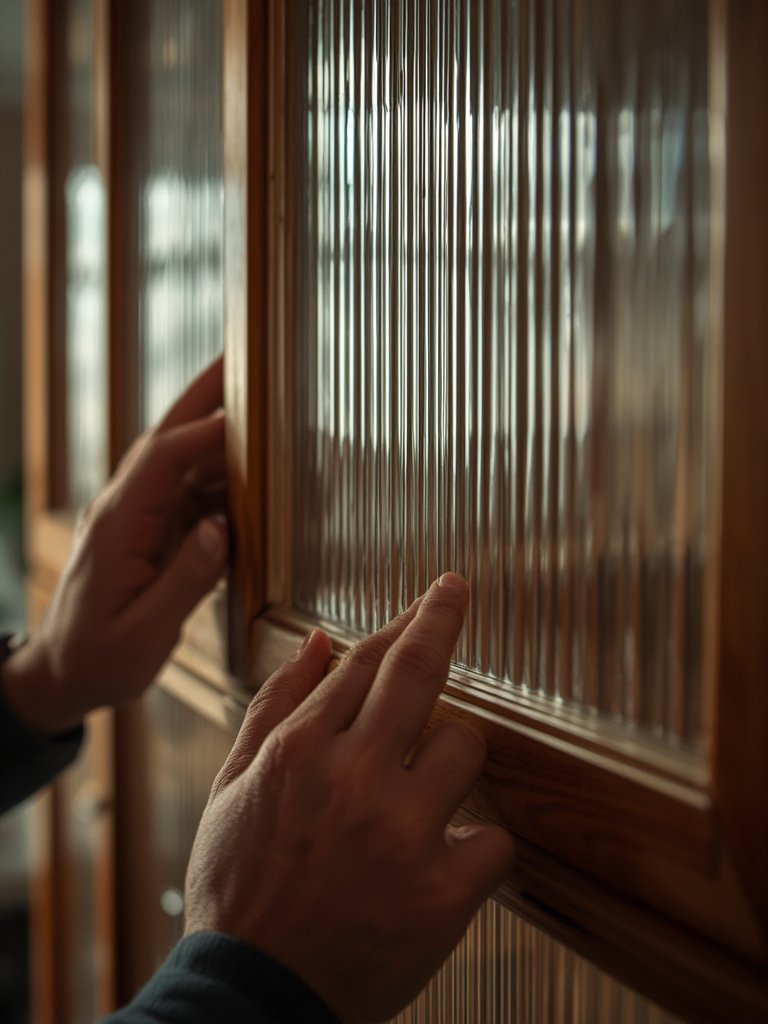
For renters or those hesitant to cut cabinet doors, peel-and-stick window film gives impressive visual realism and can be removed without residue. You might also enjoy renter-friendly upgrades like the ideas featured in our DIY Home Renovation Budget Guide.
Advanced Analysis: Real-World Pitfalls & DIY Comparisons
Even easy DIY projects have stumbling blocks not always mentioned in glossy internet reveals. Here’s what users actually face with fluted glass cabinet makeovers—and how to get better results.
- Panel Cutting Challenges: Most people struggle to use a router or get straight, clean lines with a jigsaw, leading to chipped edges or door damage. Always clamp and tape for safety, and score plexiglass multiple times for a clean snap (see process).
- Film Bubble Frustration: Bubble removal is a headache with window films, especially over large surfaces or fluted textures. Use a water and soap mix liberally, work slowly, and keep reapplying as needed. Hard cards can scratch some cheap films—use soft cloths or felt-edged tools.
- Trim Painting Fails: Painting only the outer trim edges leads to obvious “raw” wood visible through glass, making the job look unfinished. Always paint both long—and short—edges before affixing. Scrape paint bleed with a sharp utility knife.
- Material Incompatibility: Generic silicone will not bond well with plexiglass and may cause fogging or loss of adherence. Choose a tube formulated for acrylic when using plastic; glass-specific for real glass.
- Durability Myths: So far, negative reviews about fluted glass doors relate more to DIY errors (bad cuts, poor cleaning, or paint bleed) than daily wear. Sagging shelves inside retrofitted cabinets are easily fixed with new shelf boards.
Want to learn about textural upgrades elsewhere? Our article on Textured Walls for Interiors covers how to bring similar depth to walls.
| Method | Visual Realism | Longevity | Cost |
|---|---|---|---|
| Window Film (Reeded) | High – mimics true fluted glass well | Medium – removable, may bubble over time | Low – $7.99 per sheet (source) |
| Plexiglass/Real Glass Panel | High – permanent, authentic clarity | High – long-lasting with proper silicone and installation | Medium – ~$27.50 per door for plexi (source) |
| Trim-Only Inserts | Medium – frames well, less glass effect | High – paint for durability | Low – ~$18 for four trim pieces |
For even more ways to add immediate design value to your space, see our round-up of DIY Built-In Shelves for living rooms.
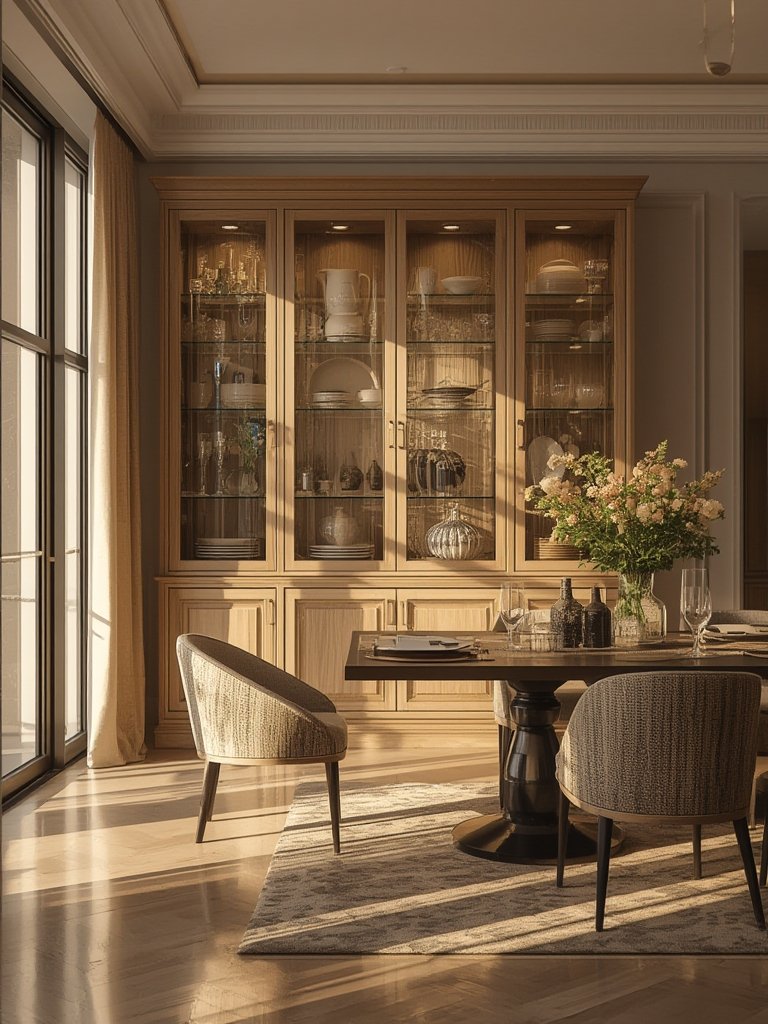
Bonus Insight: Current data doesn’t show wide-ranging negative feedback around the durability or maintenance of fluted glass cabinets—most complaints stem from installation trouble, not wear. However, note that real glass can shatter if doors are slammed, and film edges may lift if they aren’t trimmed carefully. If you want to pair your fluted upgrade with on-trend hardware, try our Gold Kitchen Hardware Guide for more inspiration.
Conclusion
Fluted glass cabinet updates let you capture big style and practicality for a small outlay—often under $60 with basic DIY skills. Compared to new cabinetry, the savings are massive, and nearly anyone can achieve a high-end look following the right technical steps. Remember, choosing the right silicone, painting all trim, and careful film installation are the details that ensure your new fluted glass cabinet doors look intentional, not improvised. Ready to start your transformation? Gather your materials—and remember to check out our guide on budget-friendly DIY renovations for more smart upgrades!
Frequently Asked Questions
Can I add a fluted glass look to existing cabinet doors without cutting them?
Yes! Reeded or fluted window film can be applied directly to existing glass panels for a realistic effect. If your doors don’t have glass, you’ll need to cut out panels or hire a local carpenter.
What if I mess up applying the film or get bubbles?
Don’t panic. Most reeded films are repositionable. Spray more soapy water and lift/rehang as needed. A soft squeegee or cloth will minimize scratches while pushing out bubbles.
Are plexiglass inserts as durable as real glass for cabinet doors?
Plexiglass (acrylic) is much less likely to shatter than real glass and holds up well over time, provided you use plastic-compatible silicone for installation. It may scratch easier than tempered glass, but this is rarely an issue behind cabinet frames.
What are the most common mistakes DIYers make?
The top issues are using the wrong silicone, failing to pre-paint trim edges that will show through glass, and not using enough water with film, which leads to bubbles or peeling.
Can I retrofit shelves in my fluted glass cabinets if they start to sag?
Absolutely. Many DIYers replace sagging shelves with heavier-duty or denser material cut to fit existing notches—this is an easy fix during the refacing process.