

permanent outdoor lights have become a game-changer for homeowners seeking style, safety, and year-round curb appeal with less hassle than traditional holiday string lights.
Key Takeaways
- Average install cost for permanent outdoor lights in 2026 ranges from $2,500 to $12,000+, with most homeowners paying $5,500–$8,500 for full coverage on a standard single-family house.
- Permanent systems use energy-efficient LEDs and require minimal annual maintenance, making them cost-effective compared to yearly professional installs for temporary lights.
- Homeowners should factor in roofline complexity, installer expertise, and hidden costs like repairs or premium LED upgrades before investing.
- What Are Permanent Outdoor Lights and Why Install Them?
- How to Plan and Install Permanent Outdoor Lights (Step-by-Step)
- Advanced Analysis: Real-World Costs, Pros, and Pitfalls
- Conclusion
- Frequently Asked Questions
What Are Permanent Outdoor Lights and Why Install Them?
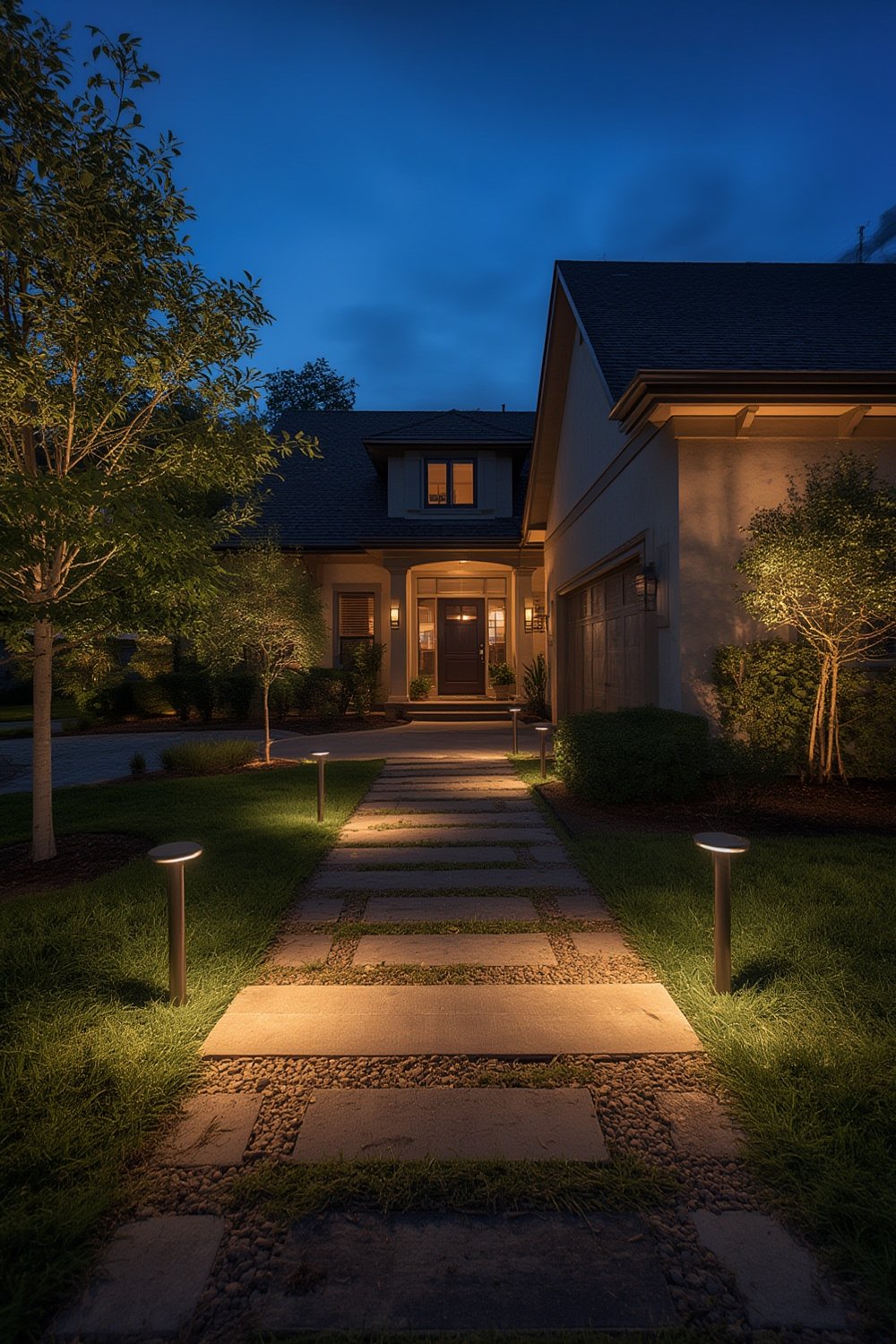
Permanent outdoor lights are professionally installed LED systems mounted along your home’s roofline or exterior. Unlike temporary holiday lights, these systems stay up year-round and can be customized for every season, event, or mood. Homeowners choose permanent outdoor lights for convenience, safety, and enhanced curb appeal. You gain full control over lighting themes and never have to worry about climbing ladders after the first install.
How to Plan and Install Permanent Outdoor Lights (Step-by-Step)
Done well, permanent outdoor light installation is an investment that pays off in saved effort and long-term value. Here’s how to do it right:
- Evaluate Your Roofline and Home Features: Measure the length of all rooflines, peaks, gutters, and areas you want to light. Account for complex architecture, second stories, and tree coverage.
- Research Brands and Features: Compare popular systems like Gemstone Lights, EverLights, and Govee. Check for app control, RGB color options, weatherproof ratings, and smart home compatibility.
- Request Multiple Quotes: Contact certified installers for detailed bids. Costs typically range from $20–$40 per linear foot, which covers materials and labor. For a full single-story home, expect $5,500–$8,500 on average (source, source).
- Review Installation Prep: Understand if any roof modifications or electrical upgrades are needed. Choose an install date outside stormy or freezing seasons.
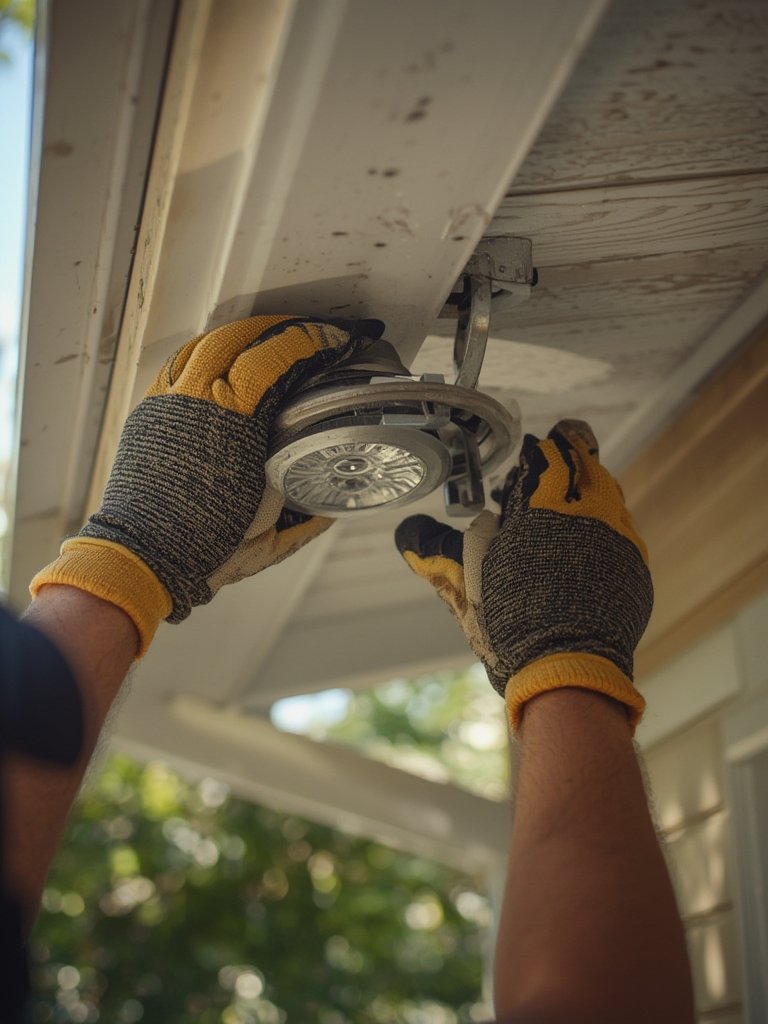
- Installation: Professional teams will mount tracks or clips, lay wiring, connect controllers, and set up your digital app for remote management.
- Test and Program Your Lights: Set up schedules, light patterns, and integrate with smart home devices if supported.
If you like maximizing property value, consider pairing outdoor lighting with outdoor living space upgrades for even bigger curb appeal. Want to go all-in on lighting design inside? See these layered lighting ideas for living rooms to complete the effect.
Advanced Analysis: Real-World Costs, Pros, and Pitfalls
Installing permanent outdoor lights is not without its challenges or costs. Here’s a realistic picture you’ll want before committing:
Cost Breakdown (2026)
- Materials: $500–$2,500 for LEDs, tracks, controllers, and wiring.
- Labor: $500–$2,000+ depending on home size, height, and complexity.
- Total Install: Full single-story: $2,500–$4,000 (front only) — Full coverage: $5,500–$8,500, with some projects exceeding $12,000 for large or multi-story homes (source).
Factors that raise your cost: steep/slippery roofs, premium RGBW LED upgrades, zoning restrictions, and installer experience level.
Side-by-Side Comparison: Permanent vs. Temporary Holiday Lighting
| Aspect | Permanent Outdoor Lights | Traditional Temporary Holiday Lighting |
|---|---|---|
| Energy Usage | Energy-efficient LEDs. Lower long-term electricity use (source) | Often incandescent. Higher seasonal power draw |
| Lifetime Operating Costs | One-time install. Minimal annual cost. Lasts 10+ years | $400–$1,000 typical annual professional install/reinstall (source) |
| Annual Maintenance | Minimal; occasional repairs or app updates | High; climbs, storage, risking falls or damaged shingles |
Common Pitfalls to Avoid
- Underestimating Footage: Many homeowners miscalculate their home’s linear feet, resulting in surprise price jumps. Always measure carefully.
- Hidden Costs: Occasional repairs and out-of-warranty service visits can add a few hundred dollars over a decade. Factor in regional labor rate increases.
- Lack of Direct Reviews: There are few verified, negative homeowner reviews online about permanent system breakdowns, maintenance headaches, or disappointing technology—making it hard to predict brand reliability from customer experiences (source).
- Warranty Gaps: Although manufacturers claim 10-year lifespans, published real-world warranty experiences are rare. Ask for details in writing before buying.
- Regional Pricing Differences: Beyond the Sacramento example, regional and installer pricing can vary widely. Get local quotes, even if online averages seem low (source).
If you’re planning broader home upgrades, review our DIY renovation savings guide and waterproofing tips for bathrooms to avoid common mistakes in other projects.
Conclusion
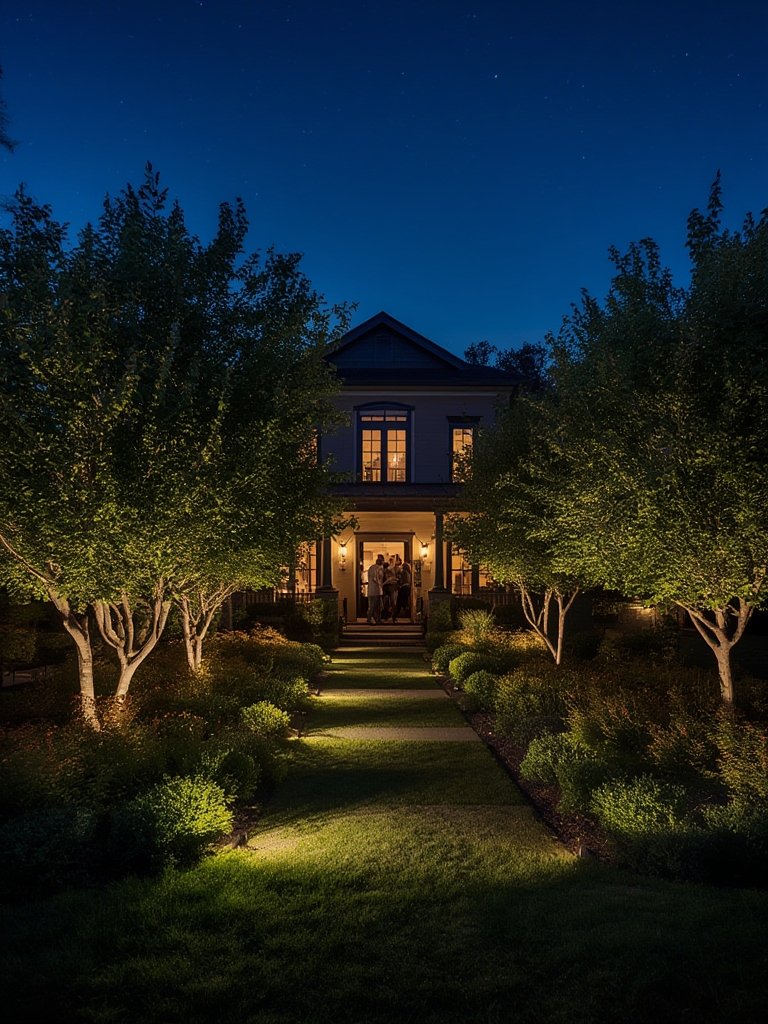
Permanent outdoor lights deliver incredible visual impact, year-round safety, and long-term cost savings for most homeowners. But this upgrade isn’t one-size-fits-all. Analyze project complexity, local market rates, and potential maintenance costs before signing a contract. With the right planning, permanent outdoor lights can transform your curb appeal, slash annual hassle, and pay for themselves within a few years. Ready to brighten your home? Request quotes from local pros today and explore other outdoor upgrades for maximum impact.
Frequently Asked Questions
How long do permanent outdoor lights last before needing replacement?
Most systems are designed to last 10 years or longer with minimal repairs needed. However, real-world warranty outcomes can vary, so always ask for written terms when you sign up (source).
Do permanent outdoor lights raise my electricity bill?
No, not significantly. Most modern systems use energy-efficient LEDs, which are far cheaper to run over time than incandescent string lights used seasonally (source).
Is it possible to install these systems myself?
DIY is possible for tech-savvy homeowners on simple one-story homes, but professional installation is highly recommended for safety, warranty coverage, and compliance with local codes. Professional installers have the necessary tools and expertise.
What are hidden costs beyond the initial quote?
Potential hidden costs include occasional repairs, replacing controllers, upgrading to premium LEDs, and possible electrical modifications. Always confirm if accessories and service calls are included in your quote.
Can permanent outdoor lights boost property value?
Yes, many homeowners see better curb appeal and more buyer interest after installation. For more strategies, see our guide to outdoor living space ROI.