

Organic modern kitchen design has become one of the top trends in home renovation, blending nature-inspired materials with sleek modern functionality. If you want a space that feels warm, welcoming, and practical but don’t want cookie-cutter minimalism, this guide covers everything homeowners need for a successful organic modern kitchen remodel.
Key Takeaways
- Organic modern kitchens mix natural textures (like wood and stone) with streamlined modern features for a timeless, calming look.
- Choosing the right colors—especially greens and light wood tones—sets the tone and increases design appeal, but certain pitfalls and hidden costs may arise.
- Integrating technology, sound dampening, and eco-friendly materials without compromising aesthetics requires attention to detail and smart planning.
- What Is an Organic Modern Kitchen?
- How to Design an Organic Modern Kitchen (Step-by-Step Guide)
- Advanced Insights & Common Pitfalls
- Conclusion
- Frequently Asked Questions
What Is an Organic Modern Kitchen?
An organic modern kitchen balances contemporary lines and minimalist cabinetry with natural, tactile materials. This style centers on harmony with nature but incorporates the conveniences of modern living. Think: slab-front cabinets in light wood, stone countertops, deep green or earth-tone colors, and subtle decorative accents instead of ornate details.
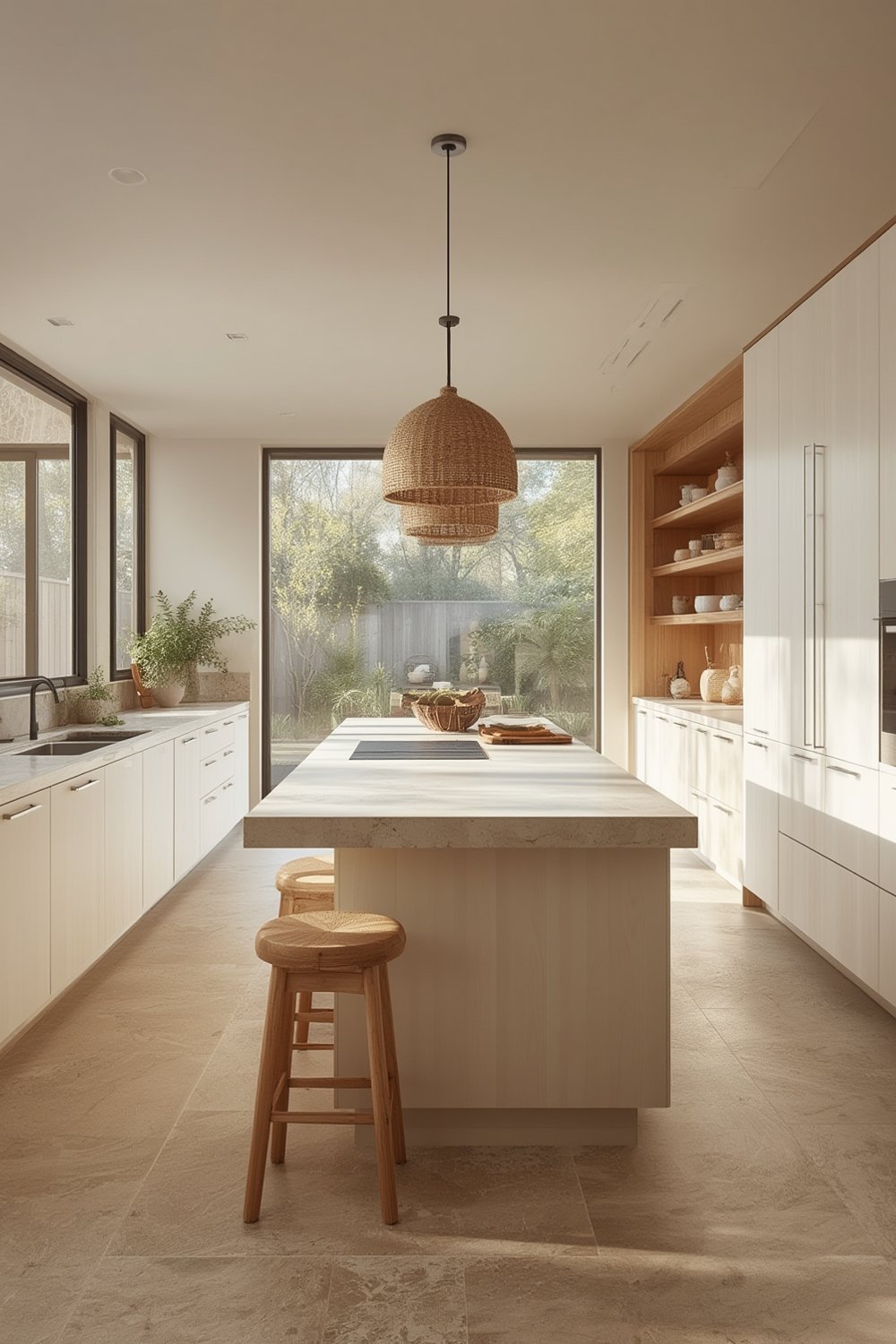
The key principles are simplicity, texture, and a connection to the outdoors. Natural light, open shelving, and a curated mix of finishes are crucial. Popular elements include:
- Cabinets in green, warm white, or natural wood
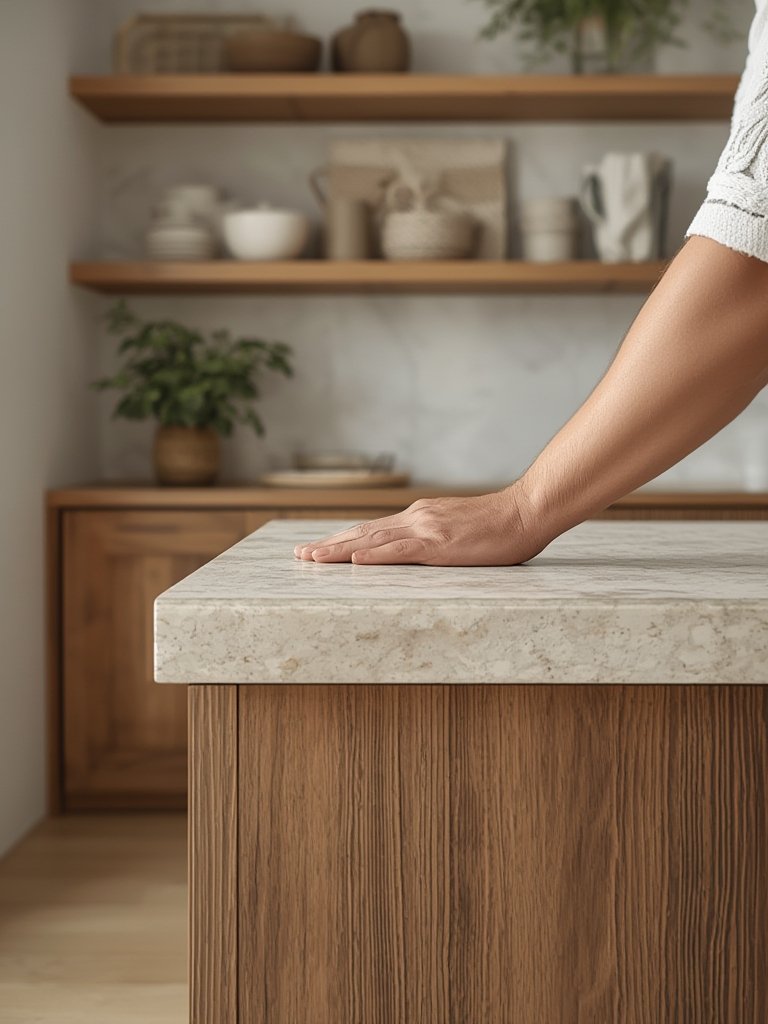
- Stone, concrete, or terrazzo countertops
- Reclaimed or FSC-certified wood, bamboo, and cork flooring
- Modern but understated lighting and hardware
- Functional, clutter-free layouts
This approach brings calm and longevity to a kitchen, making it feel rooted yet refined. The trend is accelerating, according to the NKBA 2024 Kitchen Trends Report, though exact adoption rates aren’t tracked. The appeal is wide: anyone who loves both modern efficiency and the feel of organic materials will appreciate this aesthetic.
For inspiration on using natural elements beyond the kitchen, explore biophilic design principles and materials for the entire home.
How to Design an Organic Modern Kitchen (Step-by-Step Guide)
Follow this actionable process to achieve an organic modern kitchen that’s truly custom to your space and lifestyle needs:
1. Set Your Color and Material Palette
- Pick no more than three core materials: choose one dominant natural material (wood, stone) and one or two accent textures (ceramic, concrete, metal).
- Prioritize green or warm earth tones for cabinets—71% of designers chose green as 2024’s top color. Pair with light wood and off-white for balance.
- Experiment with tactile finishes: fluted wood, matte stone, or handmade tile. Textures are essential to this look.
2. Optimize for Light and Openness
- Let in as much natural light as possible. Remove upper cabinetry near windows, or use open shelving.
- Layer lighting with pendants, under-cabinet strips, and sconces for warmth (learn more in our layered kitchen lighting guide).
- Keep sightlines clean. Choose slab or flat-panel doors over ornate styles.
3. Choose Sustainable and Durable Products
- Seek cabinets and woodwork from sustainably sourced, nature-inspired materials—bamboo, FSC-certified hardwood, reclaimed woods.
- Use water-resistant flooring (like cork or finished concrete) for long-term durability.
- Prioritize energy-efficient appliances. Hide or integrate smart features for a clean aesthetic (see more tips in our smart kitchen guide).
- Add built-in charging stations, which signal sustainability and reduce waste.
4. Integrate Natural Decor and Accents
- Style with ceramics, stone bowls, or artisanal pieces for subtle character. For beautiful table decor, check out pillar candle centerpiece ideas.
- Bring in houseplants or a small herb garden. This doubles as biophilic wellness design.
- Keep countertops clear except for a few natural-textured pieces—wooden trays, woven baskets, or a marble slab cutting board.
5. Plan for Low-Maintenance Living
- Select finishes that won’t stain or scratch easily. Consult with professionals on the maintenance required for stone or wood, and test samples before committing.
- For renters or those on a budget, style with removable features: slip-resistant mats, peel-and-stick textured walls, or modular shelving. See our take on DIY textured walls for more options.
Advanced Insights & Common Pitfalls
Before finalizing your organic modern kitchen design, consider the deeper aspects and issues most blogs overlook:
Underexplored Elements
- Acoustics and Sensory Experience: Organic kitchens can become echo-prone if hard materials dominate. Absorb sound with cork floors, fabric window coverings, woven rugs, or wall paneling. These features help create a soft, welcoming ambiance while reducing the starkness of stone and glass.
- Maintenance Challenges: While reclaimed wood, bamboo, and cork are beautiful and eco-friendly, they require specific upkeep. Sealed stone must be resealed regularly to prevent stains. Bamboo and cork can dent and aren’t always waterproof. Compare these with traditional laminates or engineered flooring for durability and lifespan.
- Integrating Technology: Modern kitchens thrive on smart tech—lighting, appliances, or even climate control. The challenge is hiding wires, screens, and control panels. Opt for built-in charging stations inside drawers and choose appliances with panel-ready finishes to blend with cabinetry. Read our smart thermostat setup guide for more integration strategies.
- Eco-Certification Confusion: There’s a lack of clear guidelines for what qualifies as a “truly organic” kitchen. While major brands tout sustainability, look for FSC, LEED, or similar third-party certifications. Ask manufacturers for documentation—and don’t assume all “natural” products are responsibly sourced.
Potential Problems & Pitfalls
| Problem | Potential Impact | How to Avoid |
|---|---|---|
| Poor Acoustic Planning | Noisy, echoey spaces that feel cold | Add soft furnishings, cork panels, and consider acoustic tiles |
| Inadequate Maintenance Knowledge | Premature wear or damage to natural materials | Research routine care; get materials pre-treated/sealed before install |
| Overlooking Technology Integration | Visible wires/gadgets disrupt natural look | Plan for concealed lighting, panel-ready appliances, hidden charging |
| Poor Color Coordination | Jarring, unfinished look and lower resale appeal | Stick to a max of three core finishes. Favor trending colors like green or light woods |
| Skipping Proper Eco-Certification | Greenwashing and possible lower long-term value | Request independent certification from all suppliers |
Historical & Market Insights
Despite the trend’s visibility, data on kitchen remodel costs, resale value, and satisfaction rates specific to organic modern kitchens is unavailable. Homeowners should set expectations based on general kitchen remodel ranges and prioritize timeless, easy-to-maintain features for best value.
To see how design choices—like continuous slab backsplashes—influence upkeep and style, compare our tips in our marble slab backsplash guide.
Conclusion
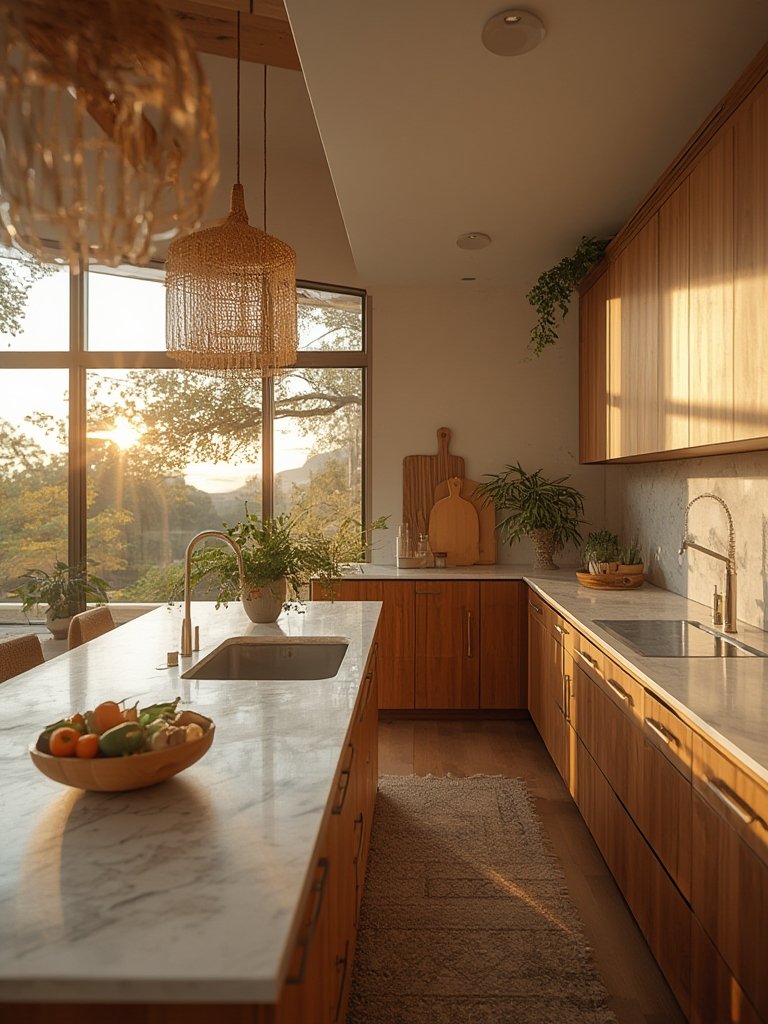
An organic modern kitchen delivers both tranquility and up-to-the-minute function by pairing natural textures with a refined, minimalist aesthetic. By staying focused on authentic materials, clean lines, and thoughtful lighting, you’ll achieve a kitchen that feels fresh for years.
Ready to get started? Take inspiration from real-life remodels and see which kitchen decor elements can further enhance your organic modern kitchen. If you want even more hands-on ideas, check out our recommendations for styling with secondhand furnishings—many thrifted pieces perfectly complement this layered, natural look.
Begin your journey toward a transformative, sustainable, and welcoming organic modern kitchen today.
Frequently Asked Questions
What colors are best for an organic modern kitchen in 2026?
Green is the leading choice, with warm whites, earth tones, light wood grain, deep greens, terracotta, and rich browns also highly recommended. Designers increasingly turn to textured natural wood for a harmonious, calming palette.
How do I keep an organic modern kitchen easy to maintain?
Select durable finishes, like sealed stone or pre-treated wood. Regularly clean and re-seal stone or wood, avoid leaving water standing on the floor, and use gentle cleaners to prevent surface damage.
Can I add smart tech without ruining the natural look?
Yes. Opt for integrated or panel-ready appliances, and hide outlets/charging stations inside drawers or cabinets. Use lighting that is app-controlled but physically minimal. For best results, plan tech integration before construction begins.
Which eco-certifications should I look for?
Seek materials certified by independent organizations like FSC (for wood), LEED, or Cradle to Cradle. Always request documentation from suppliers to confirm the sustainability of each component you plan to use.
Are there budget-friendly ways to achieve this look?
Absolutely. Paint existing cabinets, use stick-on textured tile, style with thrifted decor, and focus your budget on a few high-impact natural materials. For more affordable tips, see our guide on saving money on home renovation.