

Organic modern kitchen decor is the fastest growing style in kitchen design for 2026, blending sleek simplicity with natural warmth and sustainable materials.
Key Takeaways
- Homes featuring organic modern kitchen decor command higher resale values and attract buyers seeking wellness and sustainability.
- The look centers on materials like light wood, matte stone, and earth tones, paired with modern lines and uncluttered layouts.
- Authenticity and care matter: eco-friendly sourcing, proper maintenance, and practical choices ensure long-lasting style and function.
- What is Organic Modern Kitchen Decor? (The Core Concept)
- How to Achieve the Organic Modern Kitchen Look (Step-by-Step Guide)
- Advanced Analysis & Common Pitfalls
- Conclusion
- FAQ
What is Organic Modern Kitchen Decor? (The Core Concept)
Organic modern kitchen decor fuses clean, modern lines with the visual and tactile appeal of natural materials. Think slab soapstone countertops, honed marble, white oak cabinetry, and subtle hues of earthy green or warm white. It’s about forging a calm, uncluttered environment that feels rooted in nature, but streamlined for contemporary living.
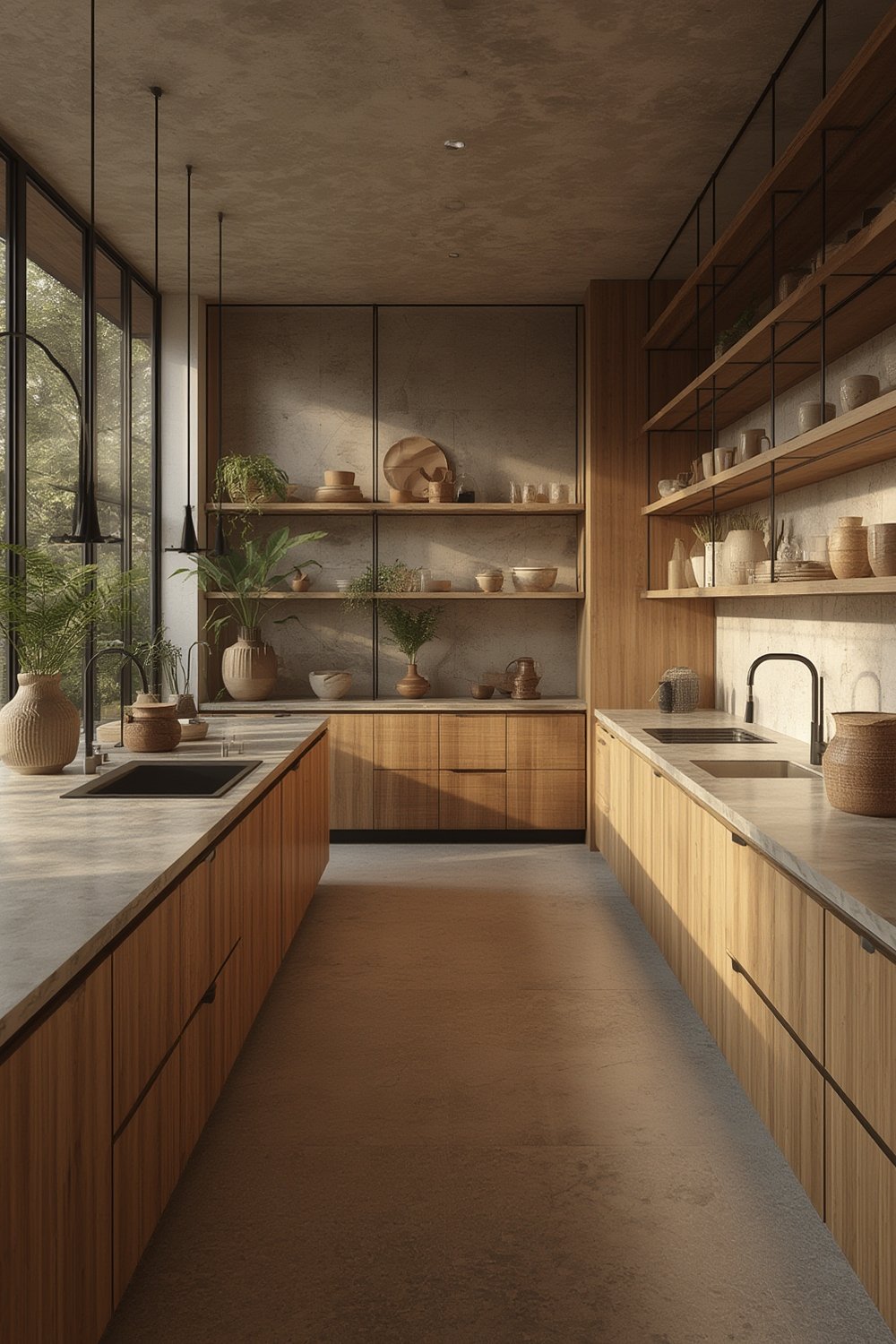
Unlike all-white minimalism or rustic farmhouse, this style emphasizes biophilic design — using materials and colors that mimic the outdoors. As a result, properties with organic touches are now selling for substantial premiums. According to recent analysis and a 2024 Zillow report, U.S. homes with soapstone counters fetch $12,500 more on average.
Designers and homeowners alike are now prioritizing:
- Natural, honed stone and matte finishes
- Light woodgrain cabinetry (especially white oak or rift sawn)
- Warm whites, muted earth tones, and subtle greens
- Open layouts and connection to outdoor spaces
Demand for these finishes is surging globally, with the sustainable home decor market expected to double by 2034 (source). The appeal is both aesthetic and practical—organic materials offer durability, sustainability, and timeless visual softness.
How to Achieve the Organic Modern Kitchen Look (Step-by-Step Guide)
- Edit and Clear Your Space
Remove visual clutter, reduce countertop appliances, and curate to the essentials. Use built-in storage and custom shelving to keep surfaces open yet practical. - Choose Your Feature Materials Wisely
Opt for matte or honed natural stone (like soapstone or subdued marble) for countertops, and light woodgrain for cabinet doors. Look for simplicity in grain and slab for a clean feel. - Layer in Texture and Subtle Contrast
Use plaster, rattan, ceramic, or handmade tile for backsplashes and accessories. Select warm, low-contrast color palettes focused on soft whites and earth greens. - Incorporate Organic Accents and Lighting
Consider decorative pillar candles or hand-thrown vases for accent pieces. Layer in adjustable or soft layered lighting to complete the vibe. - Focus on Real Sustainability
Whenever possible, source items with recycled content, ethical production, or local materials. Look for solid hardwoods, Fair Trade ceramics, or recycled metal lighting. Trend reports highlight the buyer push for genuine eco-friendly sourcing (read more).
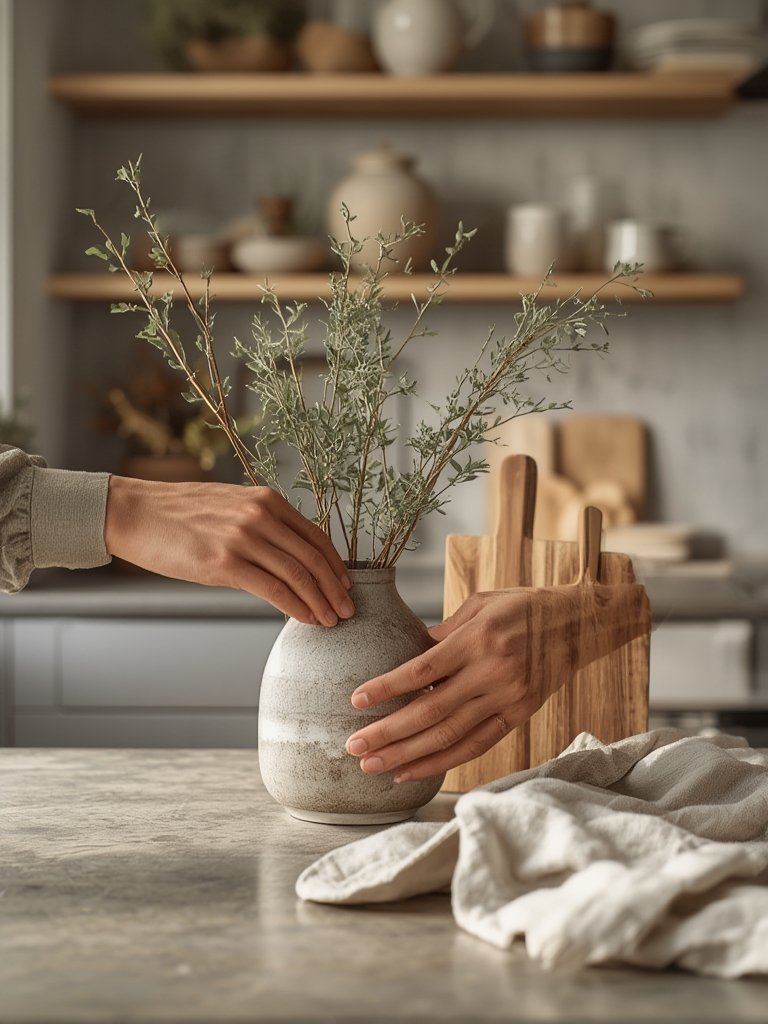
- Want a big impact on a moderate budget? Explore replacing just the countertops with thick, honed stone, paired with brushed gold hardware.
- For rental-friendly upgrades, add hand-thrown ceramics, wood accessories, or woven lighting/pendants.
- Before anything, look at real-life examples for inspiration. See how burl wood cabinetry creates natural drama, or how slab marble backsplashes give a seamless, soft look.
Advanced Analysis & Common Pitfalls
Despite the appeal, there are real downsides to consider with organic modern kitchen decor:
- Maintenance Reality: Soapstone and honed marble stain easily, require frequent sealing, and can etch with acids. Unfinished wood shows wear quickly in high-traffic zones. Ceramics may chip or craze if low-fired.
- Sustainability Authenticity: Not all “eco” labels are created equal. Some products claim sustainability without third-party certification. Look for the strictest standards, such as FSC or Fair Trade for wood and ceramics, or local, small-batch production.
- Cost vs. Longevity: Premium organic materials come at a price. Cheap, composite “lookalikes” rarely last and often contain hidden toxins or unsustainable elements.
- Design Balance Pitfalls: Overusing organic elements can lean rustic rather than modern. Reign in color range and texture to maintain clean lines.
| Material | Pros | Cons | Durability |
|---|---|---|---|
| Soapstone | Matte, elegant, heat-resistant | Shows oil marks, scratches, soft | 10–20 years+ (with care) |
| White Oak | Hard, light, timeless grain | Water stains, needs re-oiling | 25 years+ (with care) |
| Ceramic | Handcrafted, color variety | Chipping, grout lines stain | 5–15 years |
Since maintenance requirements and consumption data are sometimes missing from product listings, always ask vendors for care instructions and sustainability verification before investing.
If wellness is a top priority, consider pairing natural finishes with non-toxic candles and clean home practices. Explore biophilic design strategies to maximize the calming effect.
Conclusion
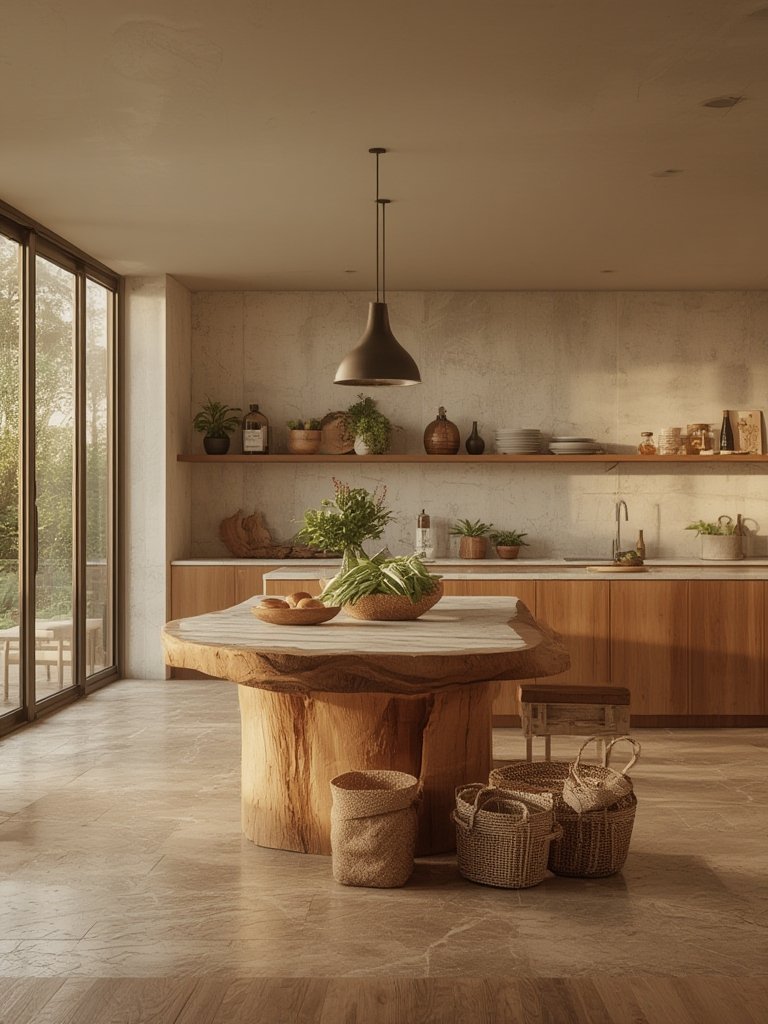
Organic modern kitchen decor delivers style and substance for 2026 and beyond, combining lasting natural materials with modern simplicity. Start with honest textures and a restrained palette, invest in authentic sourcing, and remember to balance maintenance and cost. With thoughtful choices, your space will be both trend-proof and genuinely inviting. Ready to rethink your kitchen? Explore guide after guide at Alldayhome for deeper dives into organic modern kitchen decor and related trends.
FAQ
What materials are essential for authentic organic modern kitchen decor?
Natural stone (such as soapstone or honed marble), light wood (white oak, ash), and handmade ceramics are essential. Avoid high-gloss or synthetic options for the most authentic look.
How can I make sure my kitchen upgrades are truly sustainable?
Ask suppliers for documentation like FSC certification for wood, Fair Trade for ceramics, or transparent sourcing for metalwork. Locally produced goods and recycled content are also credible marks of sustainability.
What are the downsides of organic modern kitchen decor?
Natural materials require regular maintenance. Soapstone and wood need re-oiling or sealing; unglazed ceramics can stain. The upfront cost for authentic materials is higher but pays off in longevity and resale.
Can I get the organic modern look on a budget?
Yes. Focus on small upgrades like painting walls in warm earth tones, replacing hardware, or adding handmade ceramics and natural fiber accessories. You don’t need a full remodel to capture the look.
Are there easy-to-miss details that make a big difference?
Absolutely. Layering warm lighting, sticking to matte finishes, and avoiding overly busy or cool white tones can make or break the overall feel. Details like hardware and open shelving matter just as much as big pieces.