

Burl wood kitchen cabinets instantly create a bold, unique kitchen—no two sets look alike. If you want a showstopping natural material packed with wild grain patterns, these are a conversation starter. But what’s really involved in using burl wood for kitchen cabinetry, and how does it compare to other options? Here’s what you must know before taking the plunge.
Key Takeaways
- Burl wood kitchen cabinets deliver dramatic, organic beauty—each piece features one-of-a-kind grain and patterning.
- Expect higher costs, tricky installation, and some extra care needs compared to standard wood or engineered cabinets.
- Choosing burl wood responsibly means researching sourcing, handling, and finishes for a kitchen that’s both stunning and practical.
- The Core Concept of Burl Wood Kitchen Cabinets
- Step-by-Step Guide: How to Use Burl Wood in Your Kitchen
- Advanced Analysis & Common Pitfalls
- Conclusion
- FAQ: Burl Wood Kitchen Cabinets
The Core Concept of Burl Wood Kitchen Cabinets
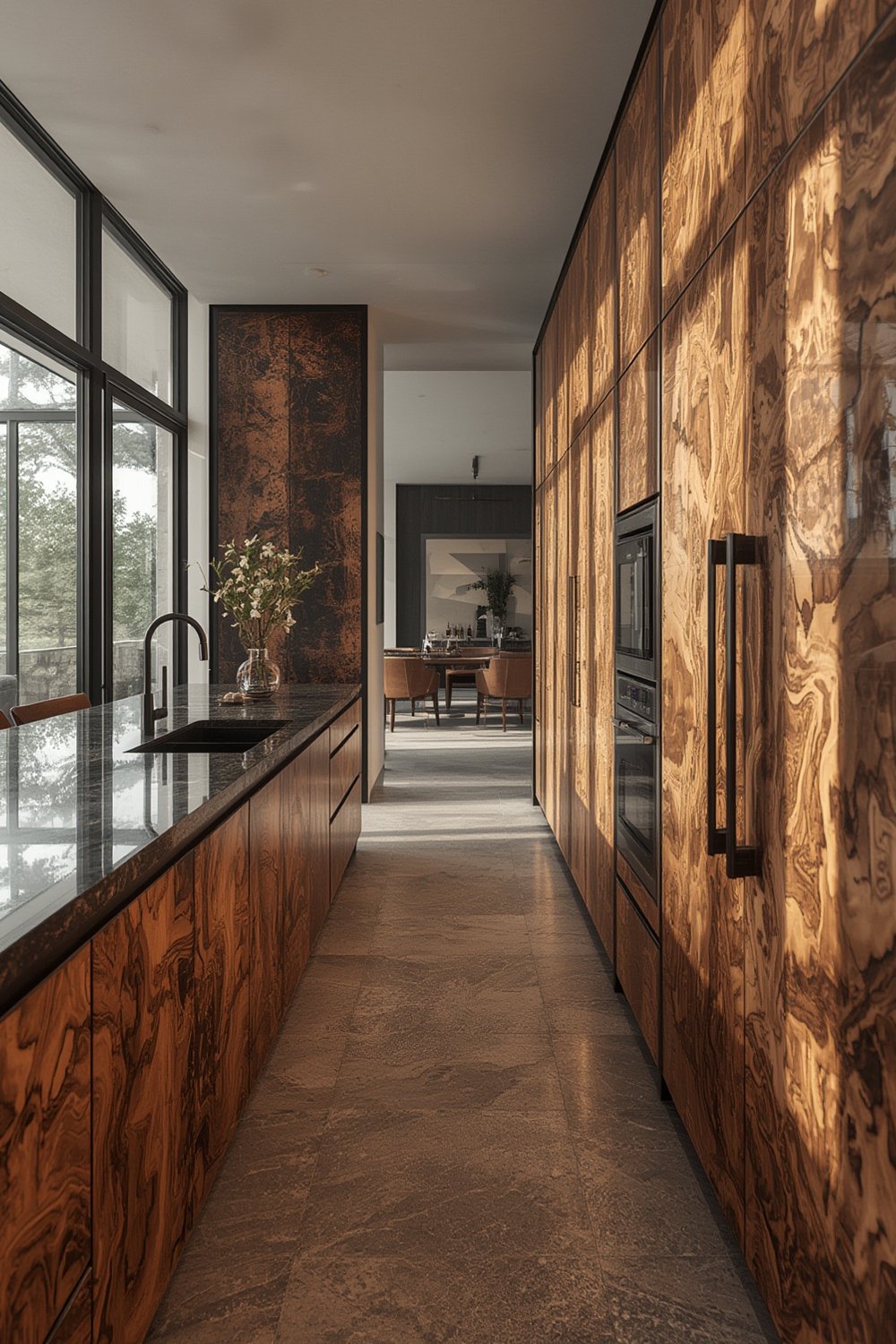
Burl wood refers to the distinct, swirling patterns that develop when a tree grows in a wayward fashion, usually as a result of injury or stress. These growths, known as burls, result in wood with intricate, almost psychedelic grain patterns. When made into kitchen cabinets, this creates a statement look sought by fans of moody home decor and natural materials.
Burl wood is often sourced from species like walnut, maple, redwood, and cherry. It isn’t a type of wood, but rather a unique growth form in a variety of trees. Each burl slab is one-of-a-kind—some feature tight, clustered knots, while others exhibit wild waves and eyes throughout the grain. Its exotic appearance draws the eye immediately, differentiating any kitchen from the typical shaker style or painted MDF cabinets.
Incorporating burl wood kitchen cabinets is especially appealing when paired with biophilic or European kitchen aesthetic elements, where organic material and natural imperfection are celebrated.
Step-by-Step Guide: How to Use Burl Wood in Your Kitchen
Ready to bring the unmatched beauty of burl wood cabinetry into your kitchen? Here’s how to do it right.
- Research Sourcing and Sustainability. Burl is rare and often harvested from slow-growing hardwoods. Ask about the species, where it comes from, and if it’s harvested ethically. Look for certifications or sourcing transparency to avoid unsustainable logging.
- Decide on Real Burl vs. burl veneer. Real, solid burl is breathtaking but brittle and extremely expensive. Burl veneer on a stable substrate (like plywood or MDF) is far more practical and captures the same visual punch at a fraction of the price.
- Select Cabinet Styles and Hardware. Because burl wood is the visual star, choose sleek, simple cabinet door styles (flat panel works best). Minimal hardware lets the wild grain shine.
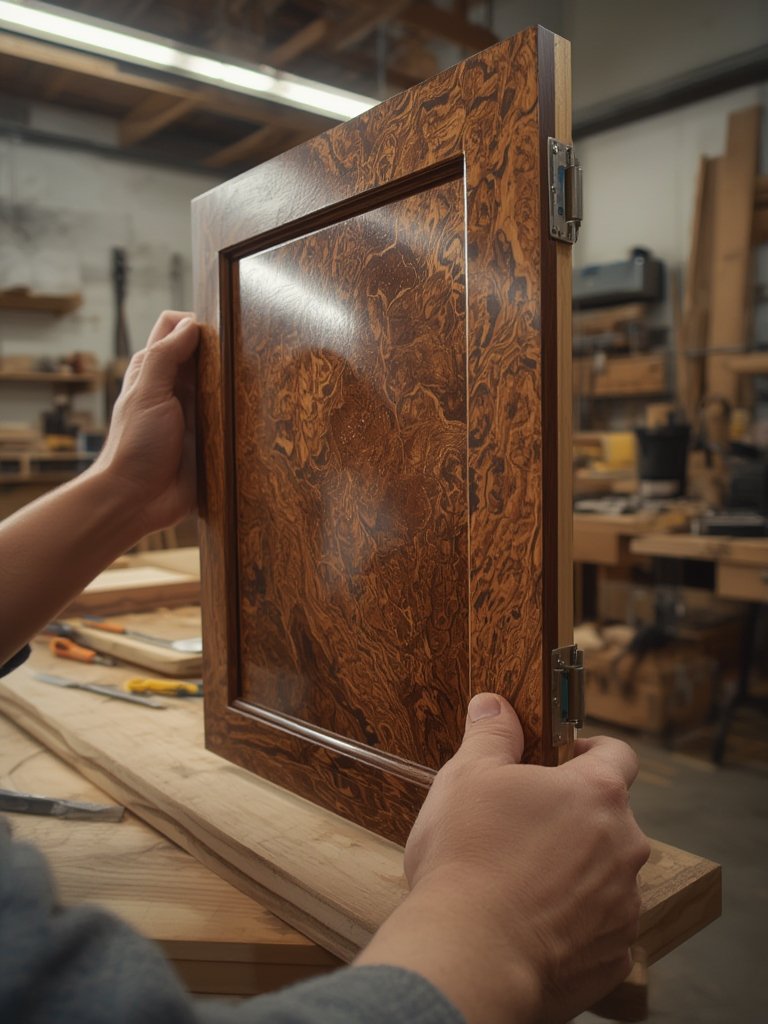
- Work with an Experienced Installer. Burl can be challenging—grain irregularities mean it’s prone to chipping and cracking. Hire a cabinetmaker skilled in handling specialty woods to avoid disappointment.
- Choose a Durable Finish. Kitchens see a lot of moisture and wear. Ask for high-quality finishes such as conversion varnish or polyurethane to protect the intricate grain, while still showing off depth and color. Some may opt for a matte or hand-rubbed oil for a softer, more natural look, but these usually need more maintenance.
- Plan Regular Maintenance. Wipe up spills immediately, avoid harsh chemicals, and periodically re-oil natural finishes. Burl veneer may need touch-ups over time if the substrate swells or contracts with humidity.
- Complementary Decor Choices. Emphasize the regal or earthy feel with stone countertops, muted wall colors, and layered lighting. Explore ideas from burl wood furniture design or tie in biophilic decor elements to further elevate the space.
Advanced Analysis & Common Pitfalls
While burl wood cabinets are eye-catching, there are several realities and downsides to consider:
- Scarcity and High Cost: Burl wood is rare, and solid burl cabinets are among the highest-priced options on the market. Even veneer options can cost significantly more than standard hardwood or engineered wood cabinets.
- Installation Challenges: The grain irregularities that make burl beautiful also make it unpredictable—expect lower yield, more waste, and a greater chance of splitting during fabrication and installation. Veneers are delicate and can crack or bubble if not applied correctly. See more about wood variation in this breakdown of natural wood patterns.
- Maintenance Needs: Burl, especially in veneer form, is vulnerable to water damage and chipping at edges. Natural finishes need recoating. Without proper sealing, burl can darken or dull over time.
- Durability Concerns: There’s no current evidence burl wood matches the proven resilience of classic hardwoods like maple or oak. Longevity in humid, high-use kitchens is only guaranteed with meticulous finish application and care. Solid hardwoods can last 50 years with care, but this is not specifically proven for burls (source).
- Sustainability Issues: Because burls grow sporadically and harvesting them can cause tree death, there can be significant ethical and ecological concerns. Responsible buyers should demand provenance and sustainable practices, especially for exotic species.
| Feature | Burl Wood Cabinets | Solid Hardwood Cabinets | MDF/Engineered Cabinets |
|---|---|---|---|
| Appearance | Wild, unique grain; every piece different | Consistent, classic grain; less variation | Uniform; can be painted/laminated in any color |
| Cost | Very high (especially solid burl); veneer is lower | High to moderate | Low |
| Durability | Variable; veneer prone to damage, solid burl can be brittle | Very durable; lasts decades | Good if not exposed to moisture; less durable as edges chip over time |
| Maintenance | Requires gentle cleaning, periodic refinishing | Easy care with modern finishes | Low maintenance, but can’t be refinished |
| Sustainability | Potentially problematic; rare and slow growing | Varies by source; can be FSC certified | Engineered woods may be made with recycled content |
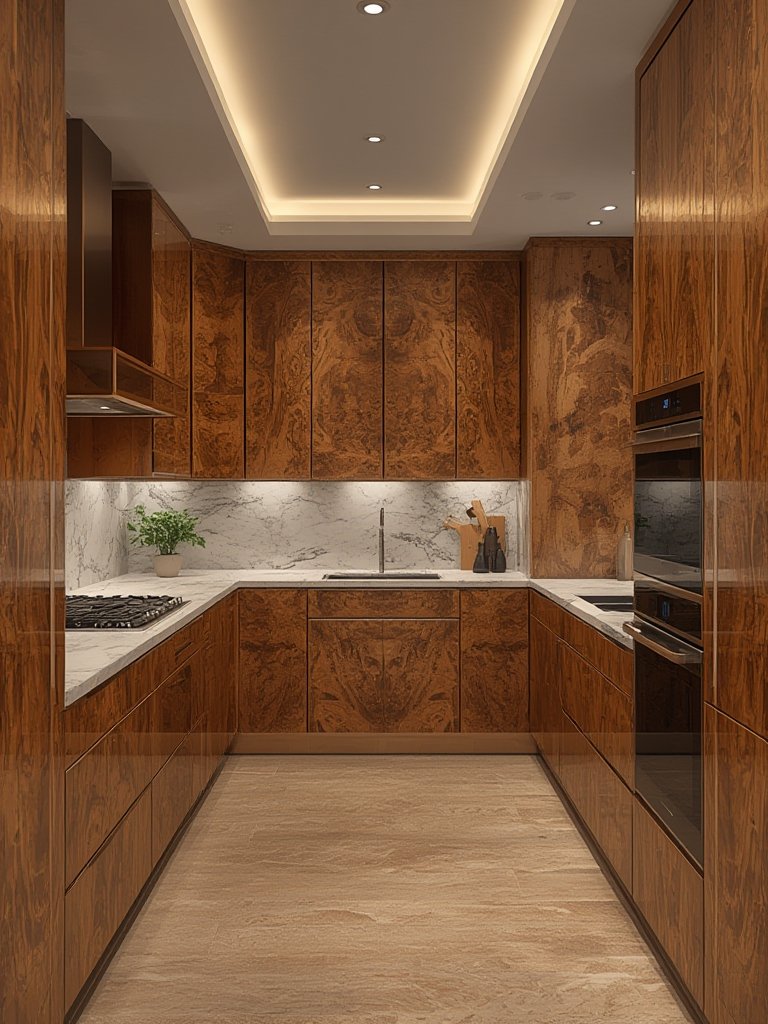
If you value a natural, artistic material and accept the tradeoffs, burl wood cabinets are worth the investment. However, for busy homes or kitchens that need to withstand heavy wear and tear, you may want to use burl only for select pieces (such as panels or islands) and rely on more traditional woods elsewhere for durability.
Conclusion
Burl wood kitchen cabinets are the ultimate way to create a high impact, personalized kitchen that stands apart from the ordinary. While they demand higher investment and conscientious care, the payoff is unmatched beauty and a timeless, artistic statement. If you want to learn more about pairing these cabinets with thrifted kitchens or exploring trending cottagecore kitchen designs, check out our related guides. Consider all pros and cons before committing, and seek transparency on sustainability and finishing. When thoughtfully integrated, burl wood kitchen cabinets can be the crowning jewel of your home remodel. Ready for a stunning transformation? Talk to a skilled cabinet pro today.
FAQ: Burl Wood Kitchen Cabinets
Are burl wood kitchen cabinets more expensive than standard cabinets?
Yes, burl wood cabinets, especially solid burl, cost significantly more due to rarity and the difficulty of working with the material. Burl veneer offers a more accessible option.
Is burl wood durable enough for busy kitchens?
Veneer over stable substrates is reasonably durable, but burl is less tough than classic hardwoods. Expect to do extra maintenance if the kitchen sees heavy use.
How do I maintain burl wood cabinets?
Clean only with a soft, damp cloth and mild soap. Dry immediately. Re-coat with oil or finish as needed, and never use harsh chemicals or abrasive pads.
Is burl wood a sustainable or eco-friendly choice for cabinetry?
Burl wood is often not considered sustainable due to how it’s harvested and its rarity. Ask your supplier for detailed provenance and look for efforts toward responsible forestry.
Can I add burl wood accents instead of doing an entire kitchen?
Absolutely—using burl only on accent doors, an island, or open shelving is a cost-conscious way to achieve the look without the risks or full price tag.