

Textured walls interior is changing the look and feel of modern homes—delivering dimension, hiding imperfections, and making interiors pop in ways flat paint simply can’t.
Key Takeaways
- Textured wall finishes are surging in popularity and now dominate over 59% of the interior paint market, offering more personality and practicality than flat paint.
- Choosing a technique—such as limewash, plaster, or roller texture—impacts maintenance, environmental impact, and installation complexity.
- Success with textured walls interior depends on realistic planning; pitfalls often relate to surface prep, inappropriate product choice, or skipping mockups.
- What Are Textured Walls Interior—and Why Choose Them?
- How to Achieve Textured Walls Interior: Step-by-Step Guide
- Advanced Analysis & Common Pitfalls
- Conclusion
- FAQ
What Are Textured Walls Interior—and Why Choose Them?
Textured walls interior refers to surfaces finished with products or techniques that add visual and tactile dimension—moving beyond flat painted drywall. This can range from subtle plaster troweling and old-world limewash, to dramatic stenciling or hand-applied sand paints. The result is a wall that draws the eye, softens flaws, and delivers character impossible to achieve with ordinary paint.
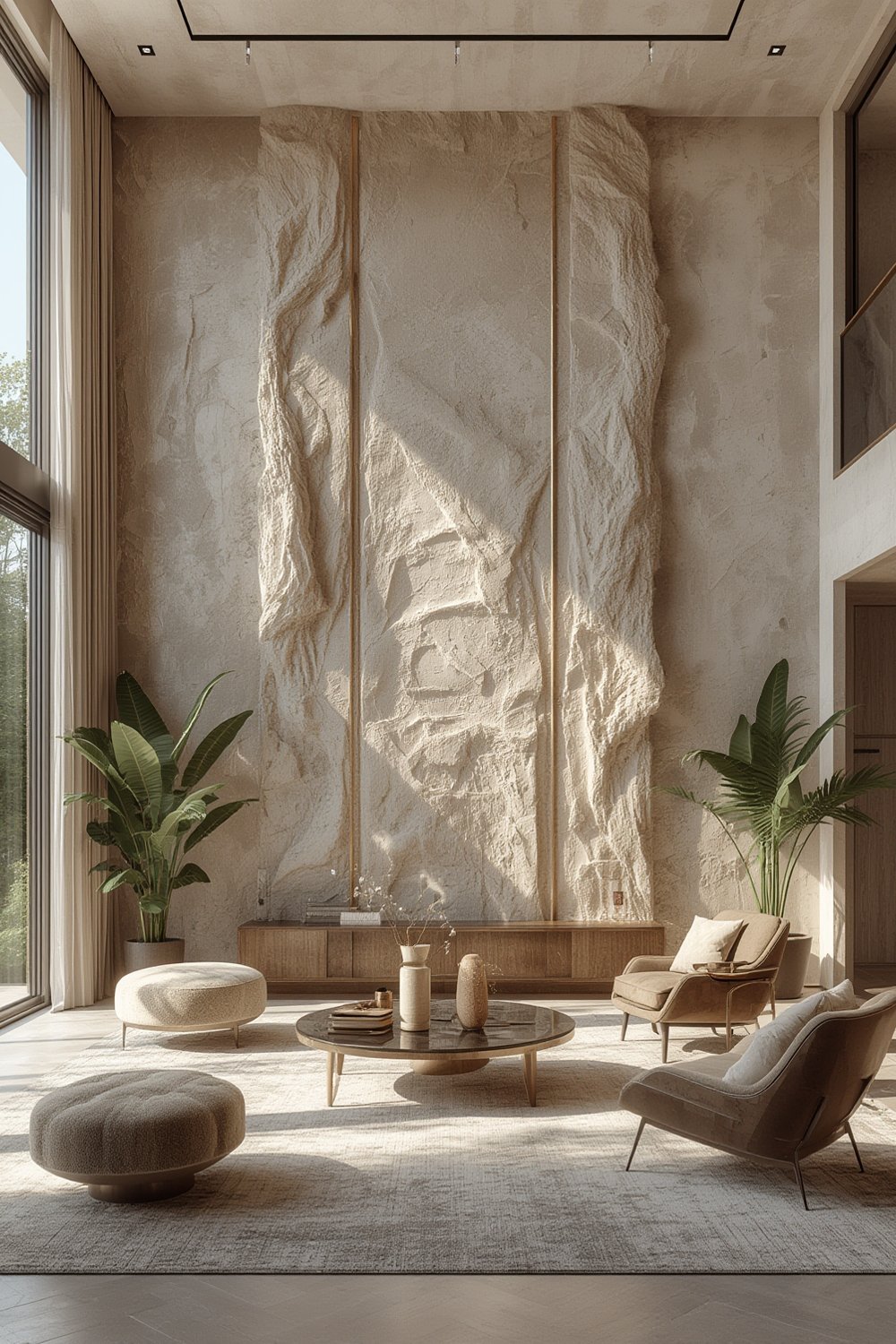
Modern demand is skyrocketing. In 2024, the global texture paint market hit USD 13.2 billion and is forecasted for strong 4.6% CAGR growth through 2034, with 59.1% of market share going to interior applications—fuelled by consumer appetite for unique, gallery-quality finishes, as well as their ability to smartly conceal wall imperfections [source]. Water-based textures, including eco limewash and low-VOC acrylics, represent over 70% of those choices, thanks to improved sustainability and health considerations [source].
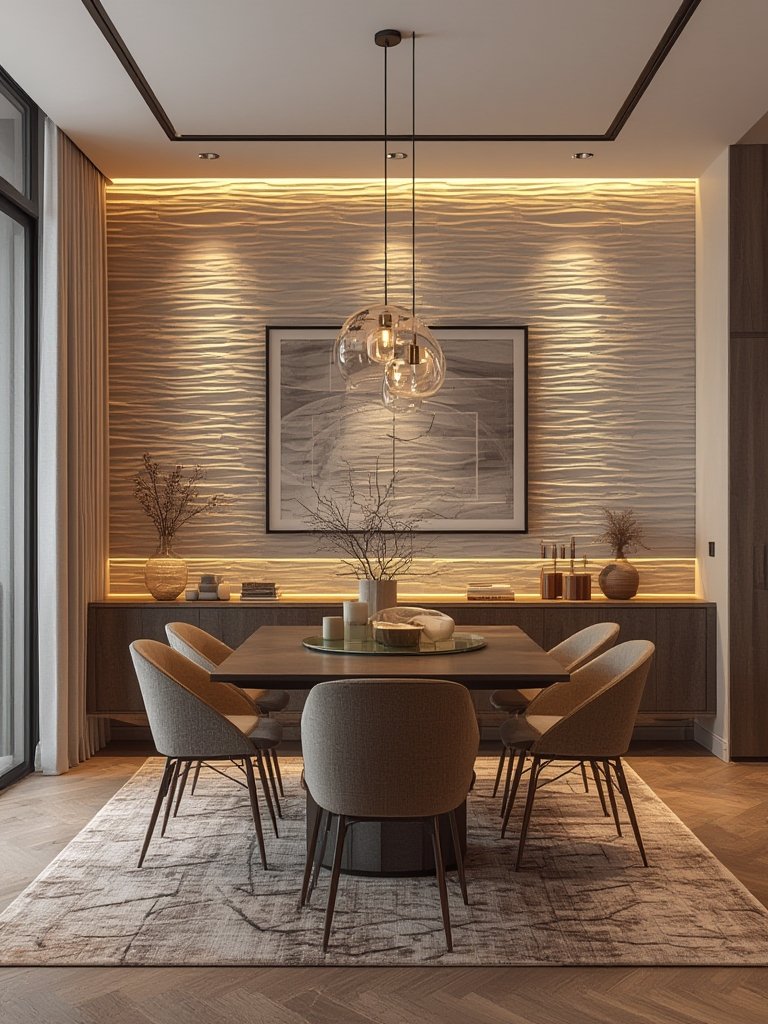
Ultimately, textured walls are a canvas for creative expression—whether aiming for urban sophistication, a rustic cottagecore vibe, or spa-like serenity. For inspiring ways to blend texture with trending home elements, explore modern cottagecore kitchen ideas or dark moody home decor concepts.
How to Achieve Textured Walls Interior: Step-by-Step Guide
Even if you’ve never textured a wall, you can get professional-looking results by following a clear process. Here’s how to approach your own project—whether DIY or working with a pro.
Step 1: Assess the Room & Choose Your Texture
Think about the natural light, room function, and how you want the space to feel. Textured walls can make small rooms feel cozy but may overwhelm tight or cluttered layouts. Decide between bolder (Venetian plaster, troweled concrete, heavy “knockdown”) or subtle (limewash, sanded paints, stencils) textures. Eco-friendly and low-VOC textures—like limewashes or water-based paints—are now market leaders [source].
Step 2: Prepare Surface Correctly
Clean walls thoroughly and repair dents, cracks, or old tape seams. Even though textures conceal minor flaws, raised bumps or loose surfaces will magnify problems. Prime the walls if recommended for your chosen finish—some limewashes and clay plasters bond best to mineral (not glossy or sealed) surfaces.
Step 3: Mock Up a Sample
On a leftover drywall scrap or cardboard, test your palette and texture. Adjust your technique, dilution rate, and roller or tool until satisfied. Take time—rework is exponentially harder after full application.
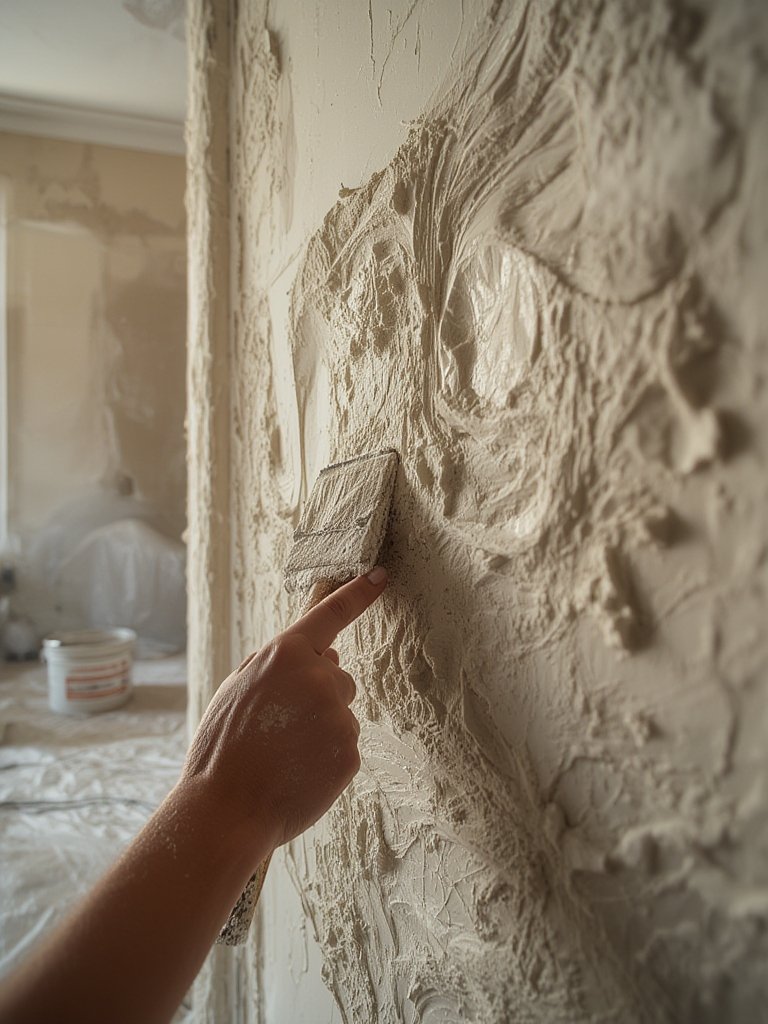
Step 4: Apply the Texture
For DIYers, the simplest options are:
- Roller-applied texture: Use a textured roller cover with thick, water-based paint. Roll in a consistent pattern and avoid overworking.
- Limewash: Dilute per manufacturer instructions; apply with a wide-bristled brush using random, organic strokes.
- Venetian plaster: Apply thin coats with a clean trowel, letting each dry before burnishing or adding more layers.
- Stencil or ragging: Overlay patterns with a stencil and lightly dab on paint for extra depth.
Always work top-to-bottom and keep a wet edge. For professional jobs (especially large or specialty finishes), ask about surface prep and environmental safety (especially in kids’ rooms).
For more budget-savvy and organizational tips during renovation, check the DIY home renovation budget guide.
Step 5: Allow to Cure, Then Seal or Decorate
Let walls dry as long as the product suggests—24 to 48 hours is typical, but plaster and limewash may need several days. Once dry, assess if a clear sealer or wax topcoat is recommended for protection. Then, layer in décor: pillar candle centerpiece ideas and curated artwork can highlight your new surface beautifully.
Advanced Analysis & Common Pitfalls
Textured walls interior comes with distinct pros, but there are realistic downsides to watch for:
- Poor surface prep: Texture amplifies beneath-surface issues—cracks, peeling paint, or bulges. Skip prep and you risk a lumpy, unprofessional look.
- Technique mismatches: Heavy textures can visually shrink a space or conflict with existing décor. Wet techniques (like limewash or plaster) may not suit all wall types, especially in humid rooms without proper ventilation.
- Incorrect product choice: Oil-based or solvent-rich products may offer durability but can emit strong odors and VOCs. Most of the market now prefers water-based, low-VOC options for safety and sustainability [source].
- Redo complexity: It’s much harder to change or remove a textured finish than flat paint. Future design changes become more time-intensive.
- Maintenance missteps: Most water-based and sand/stone-embedded textures are low maintenance, but some can be difficult to touch up invisibly if scratched or stained.
| Technique | Best For | Approx. Difficulty | Long-term Durability | VOC / Safety |
|---|---|---|---|---|
| Limewash | Low-VOC, earthy look, historic homes | Medium (brush technique, may require several coats) | Good if applied to mineral walls; less so on drywall | Very Low / Safe |
| Venetian Plaster | Luxury look, sheen, bold drama | High (pro level for large walls) | Very durable, especially when sealed | Low |
| Roller Texture | Quick DIY updates, rental-friendly | Easy | Good, touch-up friendly | Low with water-based paints |
| Sand/Stone Texture | Rustic, high-traffic spaces | Medium | Excellent | Low |
Looking to pair your new wall texture with architectural interest? Learn how to install a DIY arched wall niche for extra impact.
Conclusion
Taking the plunge with textured walls interior can completely reinvigorate any space—delivering practical benefits and on-trend style. Just invest time in upfront planning, realistic sample mockups, and surface prep for smoother, long-lasting results. Ready to transform your own space? Pick your favorite textured technique, gather supplies, and get inspired by more advanced home updates like layered living room lighting to perfect your space end-to-end. Try the textured walls interior techniques above to upgrade your home—no renovation regret.
FAQ
Are textured walls interior difficult to maintain?
Most water-based textured paints and limewash are easy to maintain—just dust occasionally or wipe with a lightly damp cloth. However, very rough textures (like heavy sand/stone) can hold dust, making them less ideal for kitchens and baths. Always spot-test cleaning before scrubbing.
What are the biggest downsides to textured walls?
The main drawbacks include tricky removal, messier application, and the potential for style fatigue over the years. Texture can also make it harder to hang art or update wall colors. It’s important to be sure about your finish before committing.
Is limewash good for every room?
Limewash delivers a beautiful, subtle finish and is low-VOC, making it safe for bedrooms and living spaces. However, it performs best on porous, mineral-based surfaces and may not be suitable for areas with heavy moisture unless properly sealed.
Can textured wall techniques be DIYed?
Yes—many techniques like roller-applied textures, stencils, and basic limewash are approachable for careful DIYers. Complex plaster or artistic wall finishes are best left to pros, especially for large or focal walls.
Are textured paints eco-friendly?
Most new water-based texture paints and limewashes are formulated for low or zero VOC emissions and are eco-friendly and safe indoors. Always check product labels and reviews to confirm environmental credentials.