

Layered lighting living room design unlocks both atmosphere and everyday function by combining multiple light sources in strategic ways. Whether your space is for relaxing, hosting, or work, layering your lighting can transform the ordinary into exceptional.
Key Takeaways
- Layered lighting relies on three types: ambient, task, and accent lighting.
- Dimming and smart controls are critical for flexibility and mood-setting.
- The right layered lighting design can make a living room more multi-functional, comfortable, and stylish.
- The Core Concept: What Is Layered Lighting in the Living Room?
- Step-by-Step Guide: How to Layer Lighting in a Living Room
- Advanced Analysis & Common Pitfalls
- Conclusion
- FAQs
The Core Concept: What Is Layered Lighting in the Living Room?
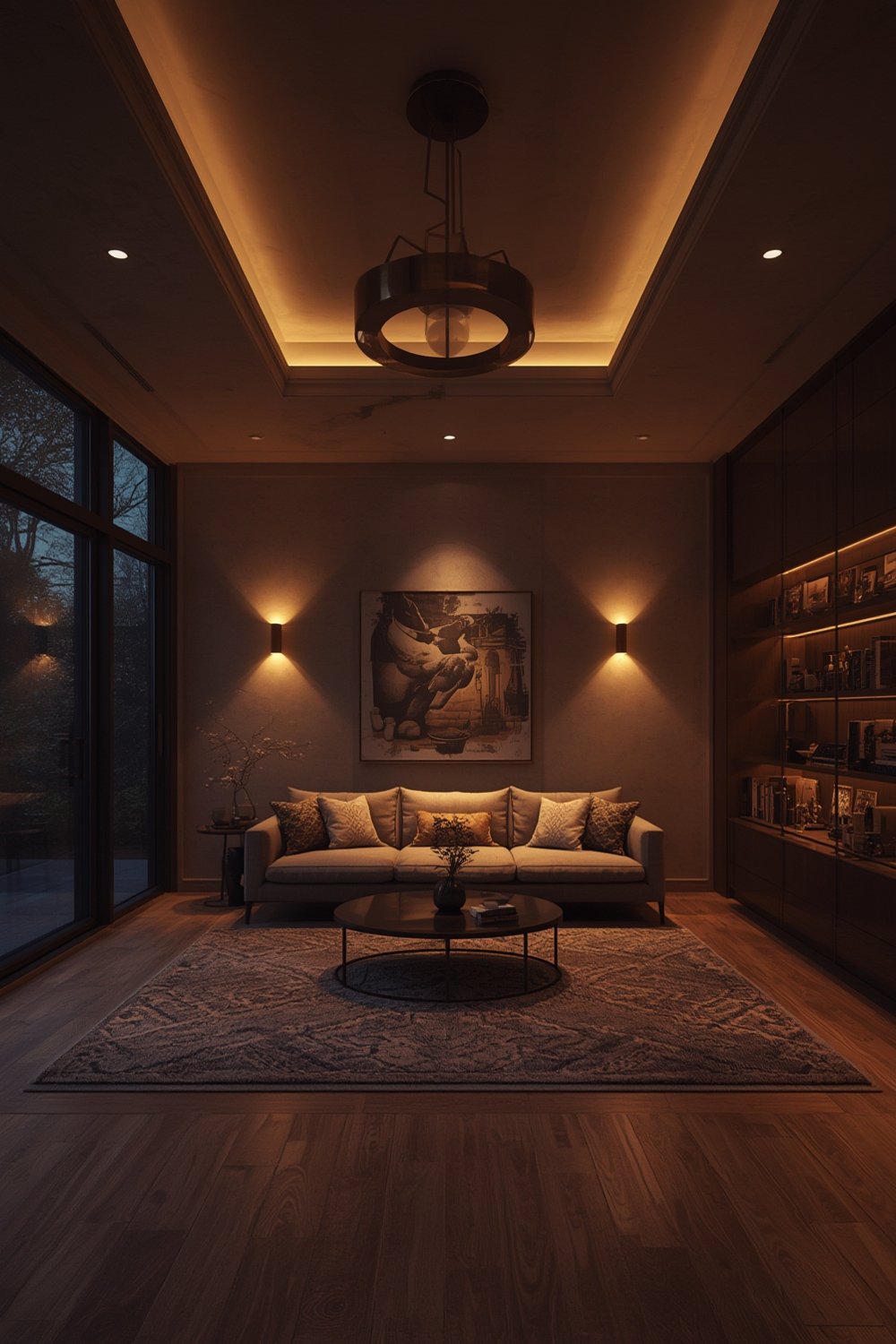
Layered lighting is an intentional approach to home lighting that goes beyond one overhead fixture. It combines different sources at multiple levels—ambient, task, and accent lighting—so your living room works for everything from reading to entertaining. This method creates flexibility, depth, and a feeling of balance that a single light cannot achieve. The three layers are:
- Ambient (General) Lighting: The primary light source that fills the room—usually ceiling fixtures, recessed lights, or large pendants.
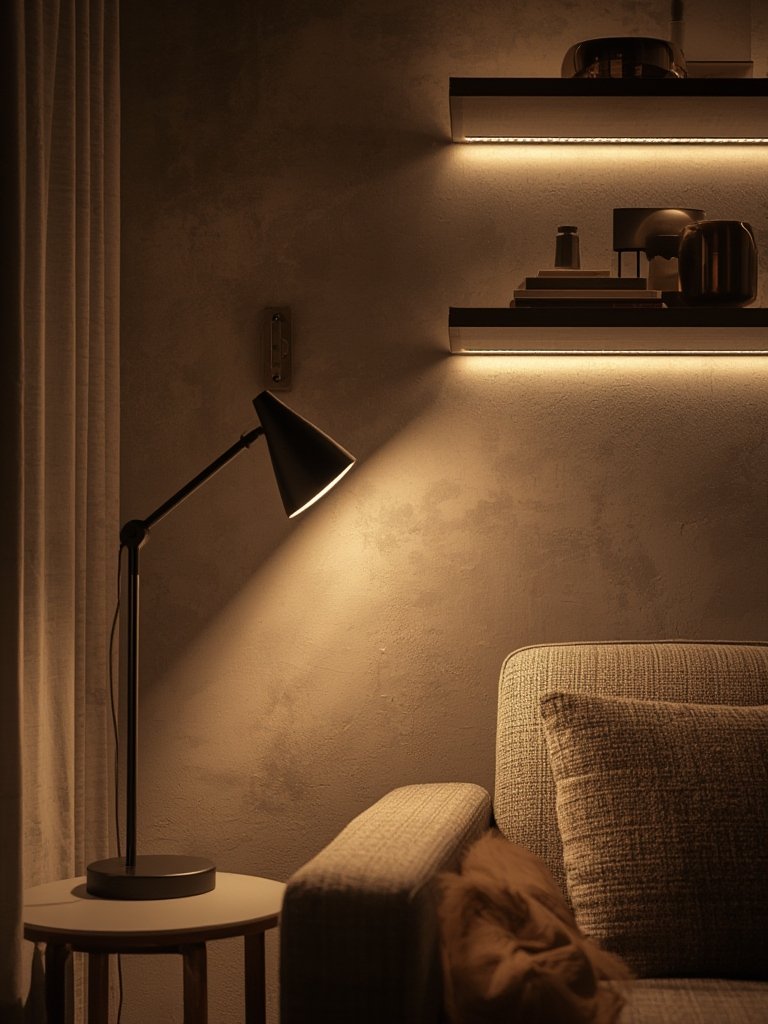
- Task Lighting: Focused lighting for reading, working, or hobbies—such as table lamps, floor lamps, or swing-arm sconces.
- Accent Lighting: Used to highlight artwork, architectural details, or add drama—think LED strips on shelves, wall washers, or directional spotlights.
According to 2026 industry trends, this multi-layer approach is now considered essential for modern living rooms, especially those used for multiple purposes throughout the day.
Step-by-Step Guide: How to Layer Lighting in a Living Room
- Start with ambient (overhead) lighting.
Install a central ceiling fixture—like a chandelier, modern pendant, or flush mount—or use evenly spaced recessed lights. For most living rooms, aim for 20 lumens per square foot. Dimming gives you essential control so the space can shift from bright to cozy. If you’re interested in wellness, consider “human-centric” smart bulbs that support circadian rhythms, as discussed in 2026 lighting trends.
- Add task lighting for functional zones.
Reading nooks need focused table or floor lamps. Place lamps near seating, next to sofas, or on media units. Adjustable heads are ideal. If your living room serves as a workspace, desk lamps make a big difference. The key is avoiding direct glare and keeping lights at eye level to reduce eye strain.
- Layer in accent lighting for visual interest.
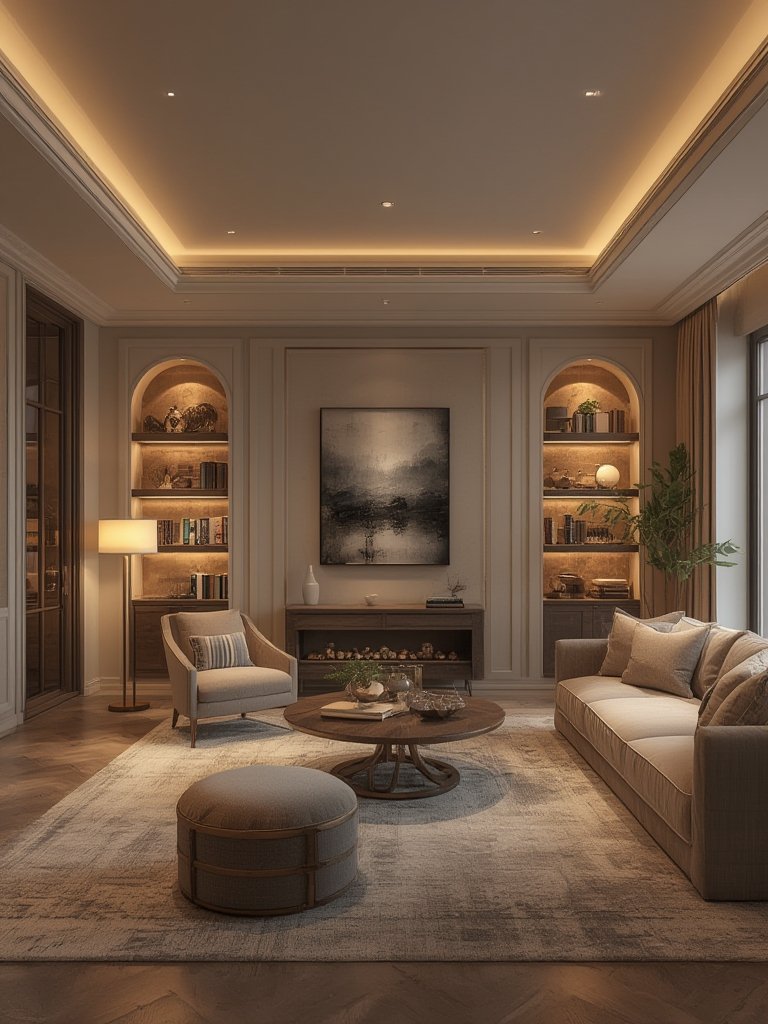
Highlight art, built-in shelves, or textured walls with LED strips or directional spotlights. Wall sconces double as art and light. For a subtle glow, position accent lights behind TV units or under floating furniture. This helps add depth and sets the mood for movie nights.
- Add dimmers and consider smart controls.
This step is crucial. Add dimmers switches on all layers let you tune the vibe and energy use. Smart lighting systems offer app-based and voice control, letting you create “scenes” for relaxing, entertaining, or focused work. These features are becoming a must-have in today’s homes.
- Balance color temperature and bulb types.
Ambient lighting should be warm (2700-3000K for a cozy feel) but you can use cooler bulbs for task areas if needed. Choose high-quality LEDs to avoid flicker and color inconsistency.
If you want to boost cozy ambiance, layer candles into your decor. Browse creative pillar candle centerpiece ideas for living rooms to add visual warmth and a touch of personal style.
For those seeking a healthier space, opt for non-toxic smoke-free candle options to complement your lighting layers, keeping air quality top of mind.
If your living room connects to built-in shelving, check out these built-in shelves living room upgrades for added storage and lighting inspiration.
Advanced Analysis & Common Pitfalls
Layered lighting can appear effortless, but it’s easy to get wrong. Based on industry expertise and design forums, here are the most frequent problems:
- Over-reliance on overhead lights: Makes the room look flat and can cause glare.
- Poor placement of task lights: Can create shadows or discomfort, especially if not positioned at the right height.
- Using mismatched color temperatures: Mixed bulb colors can make a space feel off-balance or disjointed.
- Lack of dimming controls: Without dimmers, rooms become too bright at night or lack cozy flexibility.
- Not considering furniture layout: Lights get blocked by sofas or shelves, reducing effectiveness.
- Neglecting accent lighting: The room can feel “unfinished” or too utilitarian.
- Cheap bulbs or incompatible dimmers: Flicker, buzzing, or short bulb life can frustrate homeowners.
| Common Lighting Mistake | Consequence | Simple Solution |
|---|---|---|
| All ambient, no task or accent | Flat, cold, uninviting space | Add table lamps, wall sconces, or shelf lighting |
| Mismatched bulbs (warm + cool) | Uncomfortable, awkward color shifts | Standardize to a single color temperature per room |
| No dimmers | Too bright at night or during movie time | Install dimmable switches or smart controls |
| Poorly placed outlets | Lamps bunch in corners or cords cross walkways | Use extension cords discreetly, or add outlets |
| Cheap smart bulbs | Flicker, unreliable app control | Invest in quality brands to avoid tech headaches |
Technical specs are important. Choose 2700K to 3000K LED bulbs for warmth in most living rooms. Always check bulb and dimmer compatibility—some LEDs won’t work with old dimmers. Poor technical planning is a frequent forum complaint for DIYers, leading to frustration and rework. Smart lighting systems are advancing quickly, but older wiring may require adaptors or professional installation.
If you love wellness-focused design, biophilic lighting strategies can enhance natural light and mood—explore biophilic design ideas for your living room for more on this approach.
And if you’re open to expanding tech throughout your home, read how smart thermostat installation can work seamlessly with smart lights for ultimate comfort.
Conclusion
Successfully implementing layered lighting living room design means balancing three lighting types, choosing compatible components, and customizing controls for your day-to-day needs. When done right, this approach delivers both beauty and flexibility. For the best results, plan for dimming and smart control, avoid mismatched bulbs, and always prioritize comfort over trend-chasing. Get started now—review your living room layout, map out your lighting zones, and see how a few changes can transform your space.
Ready to refresh your living room? Start planning your layered lighting approach and see the dramatic difference for yourself.
FAQ
How many light layers should a living room have?
Ideally, use all three: ambient, task, and accent lighting. Even in small spaces, combining at least two layers will enhance comfort and flexibility.
What is the best color temperature for living room bulbs?
A range of 2700K to 3000K is most popular for living rooms, creating a warm, inviting feel. Use cooler bulbs (3500-4000K) only for specific task lights if needed.
Can I install layered lighting without rewiring?
Yes. Use plug-in lamps, battery-powered LED strips, and smart bulbs in existing fixtures for a dramatic improvement without major electrical work.
Do I need smart lighting controls?
Not required, but highly recommended. Smart controls and dimmers make it easier to set scenes, adjust for mood, and save energy.
What’s the most common mistake in living room lighting?
Relying on just one overhead fixture, which leaves the room flat. Combine layers—and always add dimmers—for best results.