

Built in shelves living room projects are one of the most practical ways to maximize space and add style to your home, but the process is filled with decisions that can affect your results for years. Before you pick up a saw or hire a pro, it’s critical to know what works, what doesn’t, and what pays off.
Key Takeaways
- Built in shelves in the living room add both storage and resale value, but require careful design to avoid regrets.
- Poor craftsmanship, overly custom designs, and mismatched finishes are frequent pitfalls that can hurt style and value.
- Costs vary widely. Professional installation ranges from $2,000 to $14,000, and most homeowners recoup 60–80% at resale.
- What Are Built In Shelves for Living Rooms (And Why They Matter)
- How to Plan and Build Built In Shelves in Your Living Room
- Advanced Analysis: Costs, Common Mistakes, and Realistic Problems
- Conclusion & Next Steps
- Frequently Asked Questions
What Are Built In Shelves for Living Rooms (And Why They Matter)
Built in shelves for living rooms are shelves, cabinets, or storage features that are permanently fixed to your walls—usually part of the room’s architecture, not freestanding furniture. They’re popular because they make use of dead wall space, reduce visible clutter, and can be custom tailored for your media, books, decor, or even kids’ items. Most importantly, their integration with your home can elevate the feel of your living room and boost home value if done well.
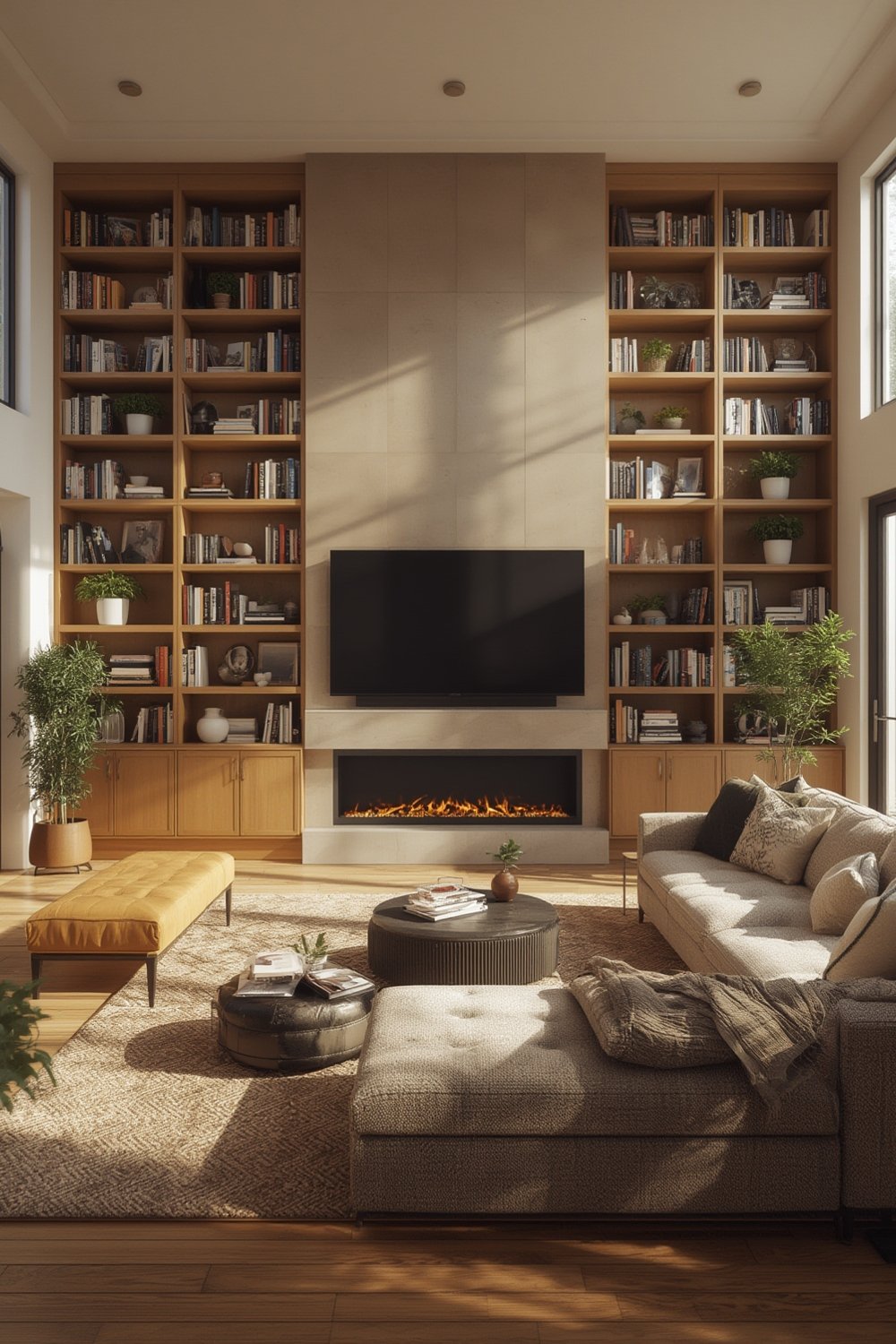
According to a 2024 U.S. Houzz & Home Study, 21% of homeowners completed living room renovations in the past year, showing strong interest in upgrades. More than half of potential homebuyers seek built-in storage like shelves and bookcases. While exact numbers on living room shelf installations aren’t available, the trend is rising and linked to higher home values (see expert real estate data here).
Built ins can turn awkward nooks or blank walls into hard-working, attractive centers in your living area. To maximize both beauty and function—and avoid problems later—carefully planning the design, materials, and installation is crucial.
How to Plan and Build Built In Shelves in Your Living Room
Whether you’re hiring a pro or tackling a DIY project, follow these steps for a successful built-in:
- Define Your Needs.
- List what you need to store: books, decor, electronics, kids’ toys, etc.
- Decide on open shelves, closed cabinets, or both.
- Measure & Assess Wall Locations.
- Select a wall with no plumbing, wiring, or irregularities.
- Note ceiling and baseboard heights for a seamless look.
- Create a Design That Matches Your Home’s Style.
- Pick classic finishes—like white, natural wood, or neutrals—to fit most homes and avoid clashing with future decor trends.
- Mix open shelving with lower cabinets for hidden storage and a balanced look.
- Select the Right Materials.
- For durability, use hardwoods, MDF, or quality plywood. Avoid particleboard for long-term installations.
- Match painted finishes to existing trim or cabinetry.
- Plan for Lighting and Wiring (Optional).
- If built-ins will house a TV or media equipment, plan for hidden wiring and/or lighting before building begins.
- Budget and Get Estimates.
- Professional installation typically costs $2,000–$14,000, depending on materials, size, and region.
- DIY options will cost less but require significant skill and time. Most savings come from self-labor, but factor in tool costs and potential repairs.
- Install Carefully or Hire a Skilled Pro.
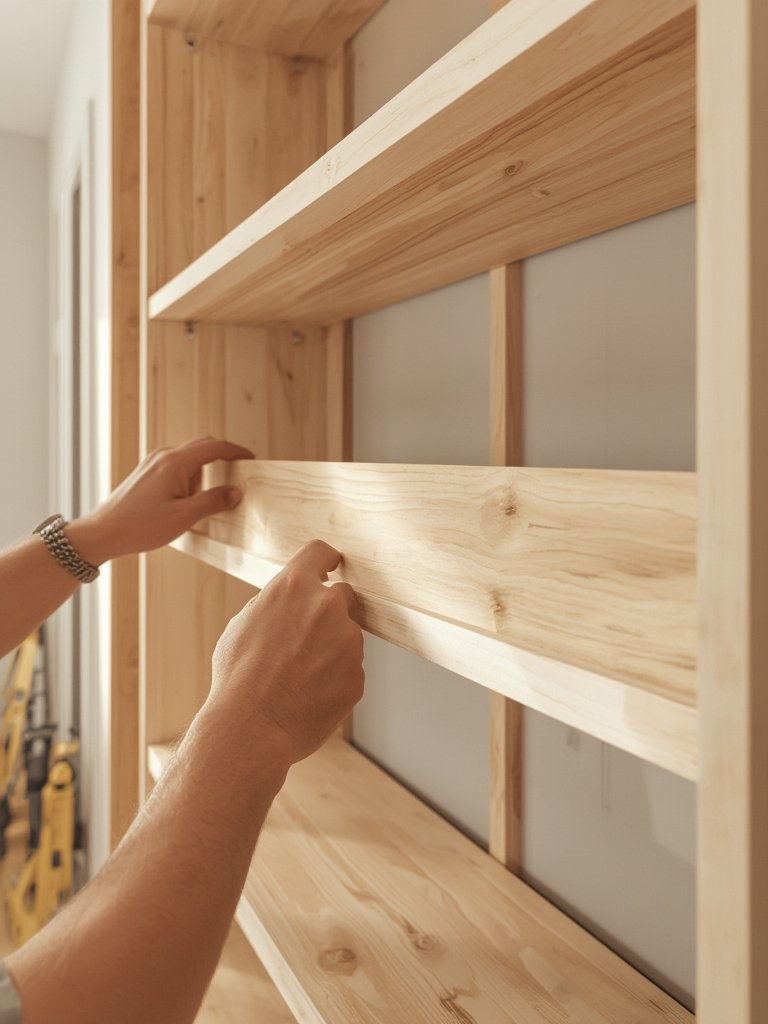
- Cut all materials precisely and check level before securing to the wall. Shoddy installation is hard to fix without starting over.
- Double-check wall anchors and supports for safety.
- Finish With Paint or Stain.
- Prime and sand before painting for a furniture-quality finish.
- Allow proper drying between coats for durability.
Want your shelves to look great and boost your home’s appeal? Stick with enduring styles that align with well-known decor trends:
Biophilic design elements add a natural touch with wood and integrated greenery, while
moody home decor ideas work surprisingly well when built-ins use darker stains or bold colors.
You can also find inspiration for accessorizing shelves with decor like pillar candle centerpiece ideas for a finishing touch.
Advanced Analysis: Costs, Common Mistakes, and Realistic Problems
No project is perfect. Whether you choose DIY or professional installation for your built in shelves living room project, it’s wise to understand the most common pitfalls—so you can dodge them. Here’s a quick breakdown of what typically goes wrong, and how to avoid it.
| Pitfall | How Common? | Prevention |
|---|---|---|
| Poor Craftsmanship or Installation | Very (54% of buyers report dissatisfaction with bad construction) | Hire experienced pros, or follow DIY plans with precision. Double-check all measurements before cutting. |
| Too Custom or Personal | Common (47%) | Opt for neutral colors and designs to maximize resale appeal. |
| Style Clash | Frequent (41%) | Match style and finish to your living room’s trim and other built-ins. |
| Disrupts Room Flow or Feels Too Permanent | Sometimes (38%) | Leave enough open space and ensure traffic isn’t blocked. |
| Lossof Versatile Space | Regular (33%) | Use modular designs or mix fixed shelves with removable storage bins. |
| Cost Overruns | Budget challenge for ~27% of homeowners | Price out every expense in advance—including paint, hardware, and time. |
Project Cost Reality:
Professional built-in shelves in the living room typically cost from $2,500 to $14,000 depending on size, features, and materials, with higher-end designs (media centers, custom cabinetry) at the top of the range [Source]. Expect 60–80% return on investment if you ever sell. DIY costs may be less if you already have tools, but mistakes can become expensive or require redos—factor in these hidden costs when budgeting.
Still on the fence about DIY? If you want to keep costs low on multiple projects, check out this guide on DIY home renovation budgeting for actionable ways to avoid overspending.
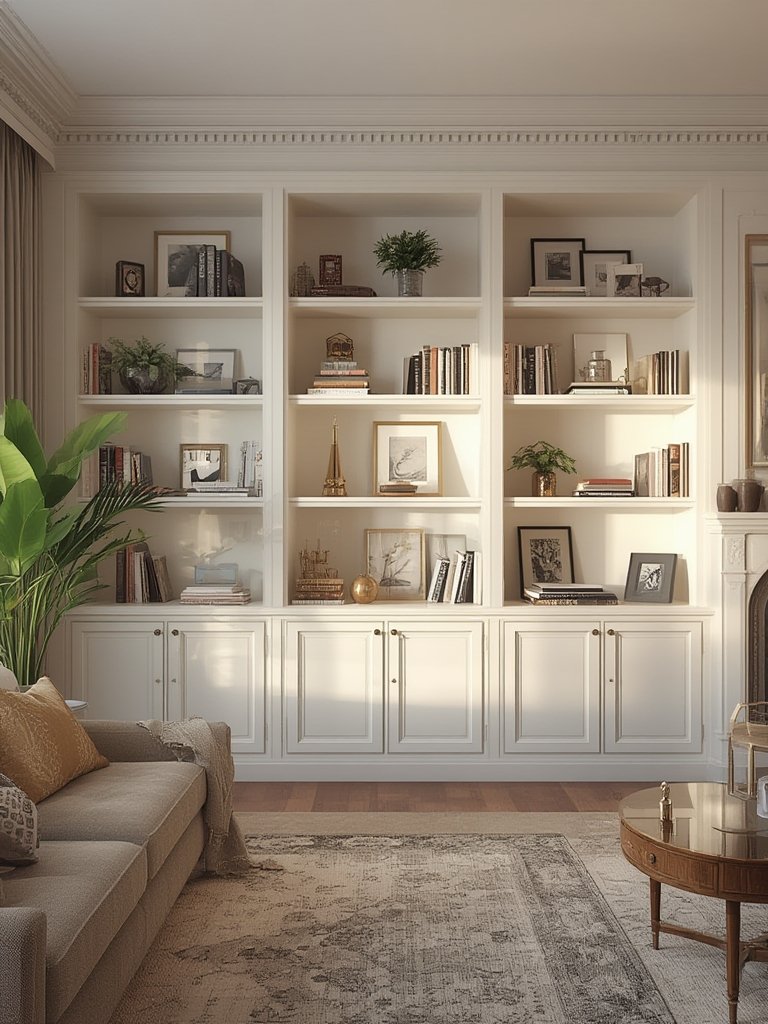
Other design concerns for modern living rooms are smart storage and style. For small or awkwardly shaped rooms, mixing closed cabinets at floor level with open shelves above saves space and streamlines the look—customizing for TVs or window seats can further increase your return and daily enjoyment. For even more ways to create timeless elegance, see the quiet luxury décor guide.
Durable, well-made built-ins in classic wood or painted finishes almost never go out of style, and help maximize your results. Avoid overly trendy designs or colors that might date quickly.
Conclusion & Next Steps
Built in shelves living room installations offer outstanding storage and style if you plan carefully and avoid common pitfalls. Stay practical—choose classic finishes, double-check measurements, and don’t over-personalize built-ins if you care about resale. Factor in all costs and leave room for future flexibility. If you’re ready to take your living room to the next level, start designing or consult with a local pro to get an accurate quote—and remember to draw inspiration from neighboring trends like art deco living room ideas or arched wall niches for unique features. Ready to get started on your own shelves? Make your plan and begin building a living space that’s both beautiful and functional.
FAQ
Are built-in shelves in the living room worth the cost?
Yes, most well-designed built-ins offer both convenient storage and an estimated 60–80% return on investment if you sell your home. Professional projects range from $2,000 to $14,000 based on size and finish.
What is the most common regret with living room built ins?
Poor craftsmanship is the number one complaint. Always hire reputable installers or follow step-by-step instructions carefully for any DIY project.
Can I add built-ins to a small or awkwardly shaped living room?
Yes, but planning is key. Use a combination of open and closed storage, and customize around windows or fireplaces to maximize every inch.
How can I style my built in shelves so they look timeless?
Use neutral finishes and incorporate a balance of books, decor, and empty space. For tips on accessorizing, explore pillar candle centerpiece ideas and other shelf styling guides.
Can built in shelves be removed if tastes change?
Technically yes, but removal can cause wall damage and affect resale value. If flexibility is key, consider modular or semi-attached shelving systems instead.