

Cottagecore kitchen design has swept across social feeds and home tours, offering an escape to rustic simplicity and slow living. If you crave a cozy, lived-in kitchen filled with warmth and nostalgic charm, this approach could change how you use and feel about your home.
Key Takeaways
- Cottagecore kitchen style centers on natural wood, vintage finds, open shelves, soft colors, and botanical accents.
- This aesthetic is achievable on nearly any budget, from modest DIY tweaks to larger renovations.
- Common pain points include storage, cleaning, and balancing function with style—but careful planning reduces frustration.
- The Core Concept: What Is a Cottagecore Kitchen?
- Step-by-Step Guide: Create Your Own Cottagecore Kitchen
- Advanced Analysis & Common Pitfalls
- Conclusion
- FAQ
The Core Concept: What Is a Cottagecore Kitchen?
The cottagecore kitchen isn’t about recreating a museum piece—it’s a relaxed, welcoming space shaped by elements that evoke countryside comfort and simplicity. The look prioritizes handmade textures, worn finishes, gentle florals, and plentiful greenery. Wooden shelves, vintage ceramics, and cast iron canisters are often on display. Light pours through windows onto muted walls or beadboard. Function and beauty blend in open layouts, where you can grab a cup from a shelf or stir soup beside a bunch of herbs.
Creating this ambiance means blending old and new, shopping mindfully (often secondhand), and valuing patina over polish. Whether you rent or own, you can embrace cottagecore kitchen principles with a few well-chosen updates, even if your space is modern at heart.
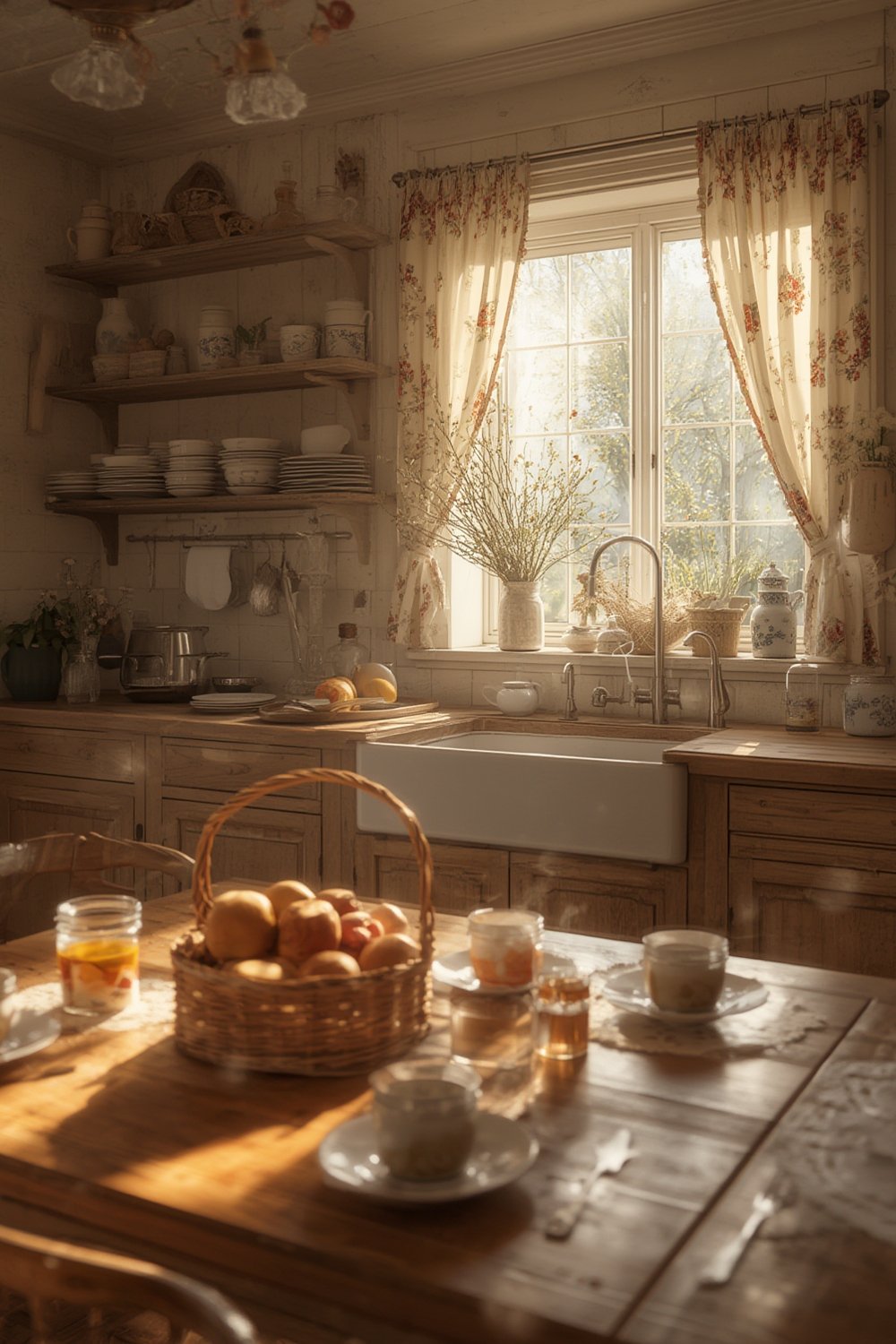
Step-by-Step Guide: Create Your Own Cottagecore Kitchen
You don’t need a full renovation or an English manor to achieve cottagecore vibes. Follow these steps to infuse your kitchen with warmth and rustic appeal—on your timeline and budget.
-
Assess Your Kitchen’s Bones
What can you easily change? What must stay (appliances, layout, flooring)? List features you love and those you wish to transform. -
Choose a Gentle, Muted Palette
Soft sage green, cream, pale blue, or dusky rose instantly set a cottagecore tone. Paint cabinets or add peel-and-stick wallpaper/backing to refresh a bland space.
If you rent, go for removable decals or textiles. -
Introduce Natural Wood & Textures
Add (or fake) real-wood open shelves. Display wood bowls, woven baskets, and linen towels. This is a cornerstone of cottagecore style, as seen in many successful case studies and design guides. -
Incorporate Floral and Botanical Details
Style the space with dried flower bundles in jars, trailing ivy, or fresh herbs in terra cotta pots. Wallpapers, curtains, or even drawer liners with small floral prints can add softness. -
Seek Out Vintage and Handmade Pieces
Use flea market or thrifted kitchen decor like copper pans, glass canisters, and retro mugs. Imperfect is better—visible patina gives items more story and soul. -
Rethink Storage: Embrace Open Shelving
Swap a few uppers for simple shelves. Decant dry goods into glass jars, display pretty plates or stacks of books, and hang utensils on a rail. This makes everyday items part of your decor.
If you’re short on closed storage, reserve one tidy shelf and stash less-attractive tools elsewhere. -
Let in the Light
Natural light is key. Keep window treatments sheer or skip them entirely. Swap bulbs for warm, ambient tones to enhance the welcoming atmosphere after sunset. -
Add Cozy Finishing Touches
Layer in hand-thrown pottery, embroidered tea towels, or even a chunky knit stool cover. Candles—especially non-toxic, smoke-free candles—are a staple for cottagecore coziness.
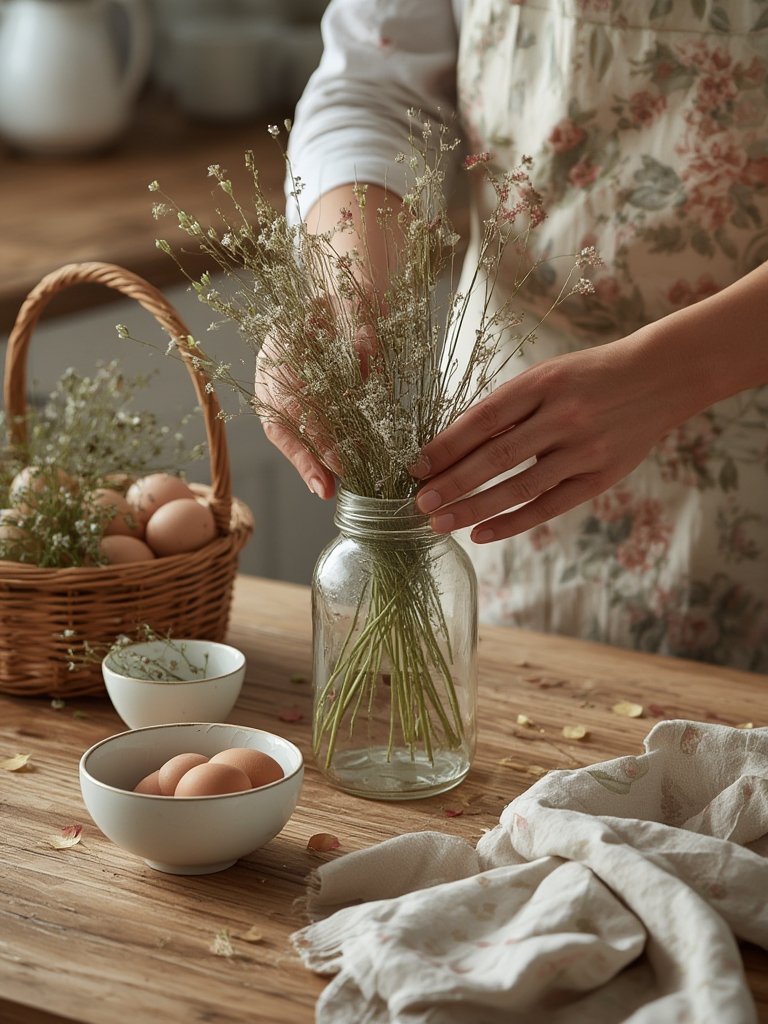
For seasonal inspiration, bring in fresh branches in spring, pumpkins in fall, or fir boughs in winter. Browse more centerpiece ideas for your dining table candle decor for an authentic, evolving cottagecore feel.
If you’re serious about merging wellness with your kitchen, consider adding biophilic design elements like living herbs, indoor plants, or better access to garden views—another big 2025 trend.
Advanced Analysis & Common Pitfalls
Despite its approachable image, executing a cottagecore kitchen brings real-world challenges, especially if you expect modern storage, convenience, or resale value. Here’s what to watch out for, based on real user stories and renovation advice:
- Storage Overload: Open shelving can become cluttered and gathers dust—display only what’s beautiful and useful. Keep the rest behind closed doors.
- Cleaning Reality: More surfaces, more textiles, and lots of decor means extra cleaning and maintenance. Vintage and wooden pieces can stain or warp if not cared for correctly.
- Budget Creep: Sourcing authentic, quality vintage is labor intensive and can add up. Even DIY projects require tools, time, and patience.
One homeowner spent $3,000 over six months transforming their kitchen. Meanwhile, a renter completed a cottagecore refresh for under $80—proof budget depends on scale and sourcing. - Resale Uncertainty: Cottagecore is a strong visual statement. If you plan to sell, consider whether buyers in your area might prefer more neutral or modern styles. There is limited data about the direct impact on property value.
- Function vs. Aesthetic: Too many trinkets, open shelves, or secondhand finds can make cooking less efficient or enjoyable if not curated. Design with flow and use in mind. For budget strategies, explore a solid DIY home renovation budget approach.
| Feature | Pro | Con |
|---|---|---|
| Open Shelving | Airy display for pretty wares | Requires frequent dusting; shows clutter |
| Vintage Decor | Uniqueness and character | Potential food safety or durability issues |
| Soft Muted Colors | Calming effect | May feel dated to some tastes |
| Greenery & Florals | Boosts mood and air quality | Needs maintenance |
Conclusion
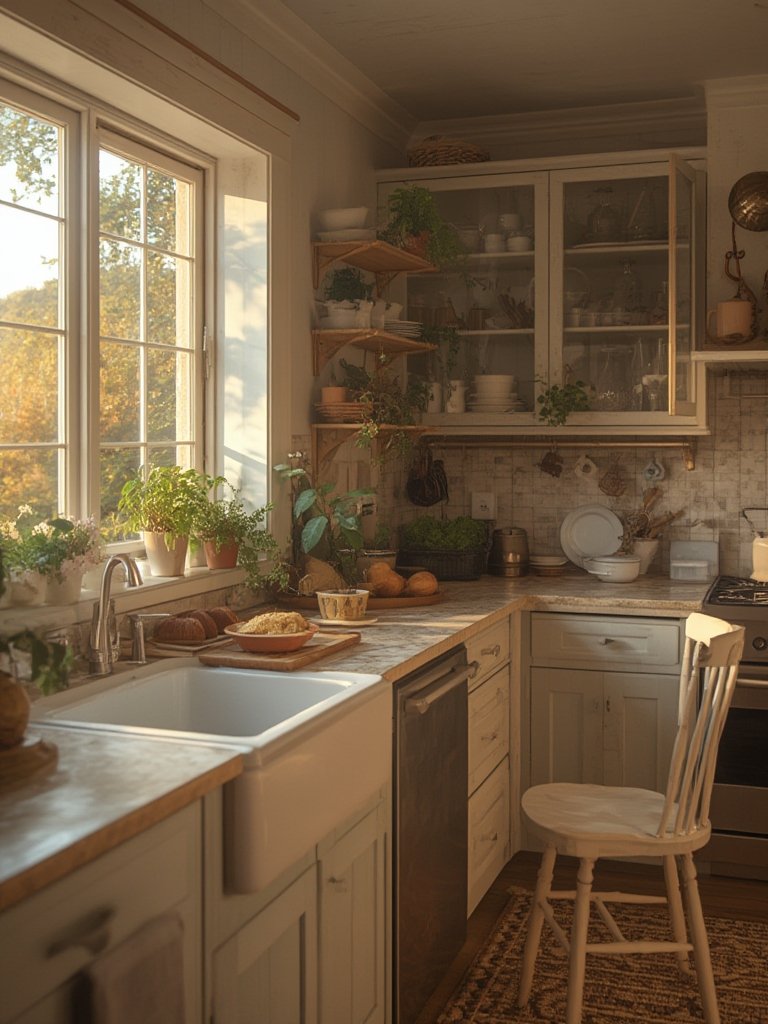
Cottagecore kitchen style offers nostalgia, coziness, and a welcome break from sleek, impersonal trends. With natural textures, soft colors, and elements borrowed from the countryside, it’s a style that brings a sense of calm—provided you’re realistic about storage and upkeep. Even a few tweaks can transform your space, whether you own or rent.
Ready to turn your kitchen into a sanctuary? Start small, get creative with thrifted finds, and let your personality shine. Embrace the beauty and comfort of a cottagecore kitchen today—your home will thank you for it!
FAQ
What are the essential elements of a cottagecore kitchen?
The basics include natural wood accents, open shelving, floral prints, vintage accessories, and plenty of greenery or herbs. Handmade or antique pieces, soft textiles, and gentle lighting are also key.
Can I create a cottagecore kitchen on a budget?
Absolutely. Many people succeed using thrifted kitchen supplies and DIY updates. As seen in a documented renter-friendly project, even $80 is enough for a visible transformation. Focus on paint, textiles, and secondhand finds.
Is the cottagecore kitchen style easy to maintain?
It depends. Open shelving, more decor, and vintage items mean more dusting and cleaning. Plants and florals need care. If you keep surfaces minimal and rotate displays, upkeep is much easier.
Does cottagecore work in small or modern kitchens?
Yes! You can mix vintage and rustic touches with modern layouts by adding shelves, gentle colors, and natural materials. Even a few key changes help soften a space and create that cozy appeal.
Where can I find authentic vintage kitchen decor?
Thrift stores, flea markets, estate sales, and online marketplaces are excellent sources. Look for real wood, enamel, ceramic, and glass pieces with patina. For more tips, see these thrifted kitchen styling ideas.